We’ve busied ourselves dressing the house for Christmas. I’ll be honest, I’ve always leaned more towards the Christmas humbug side of things, but less so as I get older. When the sparkly bits come to life at night and my mother turns into an excited child, it makes it all worth it.
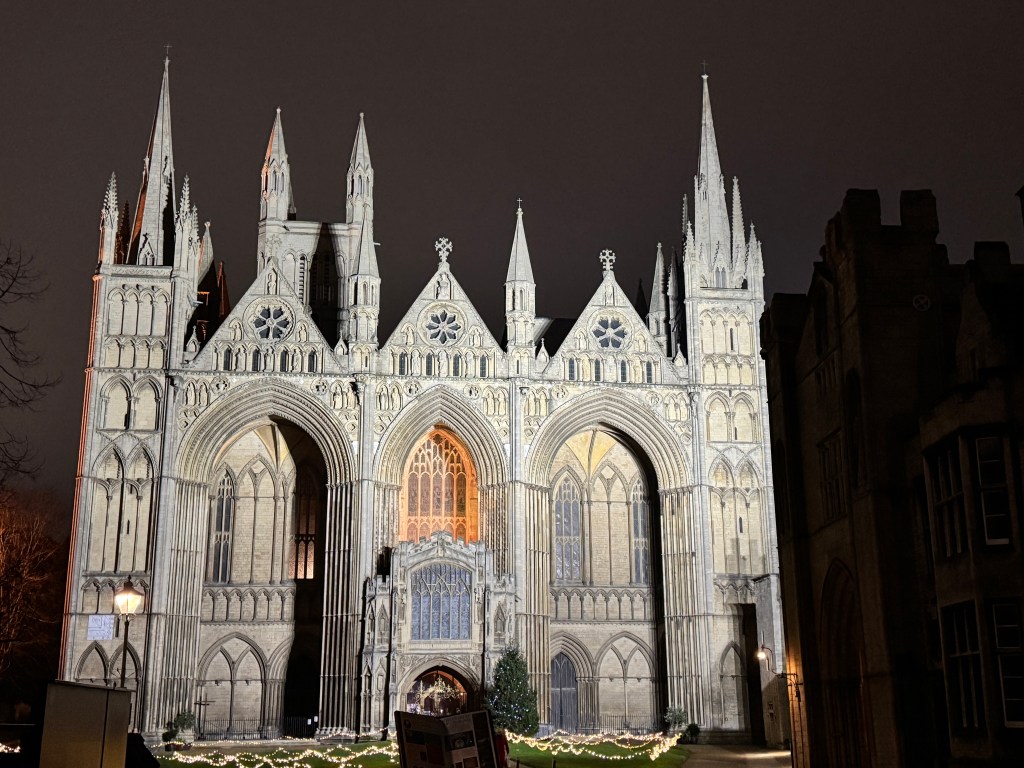
Peterborough Cathedral was again our Christmas venue for the arts. It’s a special place for Rachel, as her parents were part of the flock there. This year, they had an orchestra up from London performing Beethoven’s 5th and Vivaldi’s Four Seasons to a packed house. Perhaps it was the combination of great acoustics and the mesmerising gothic architecture, but it was a couple of hours of fantastic entertainment. We all left humming different pieces for days afterwards.
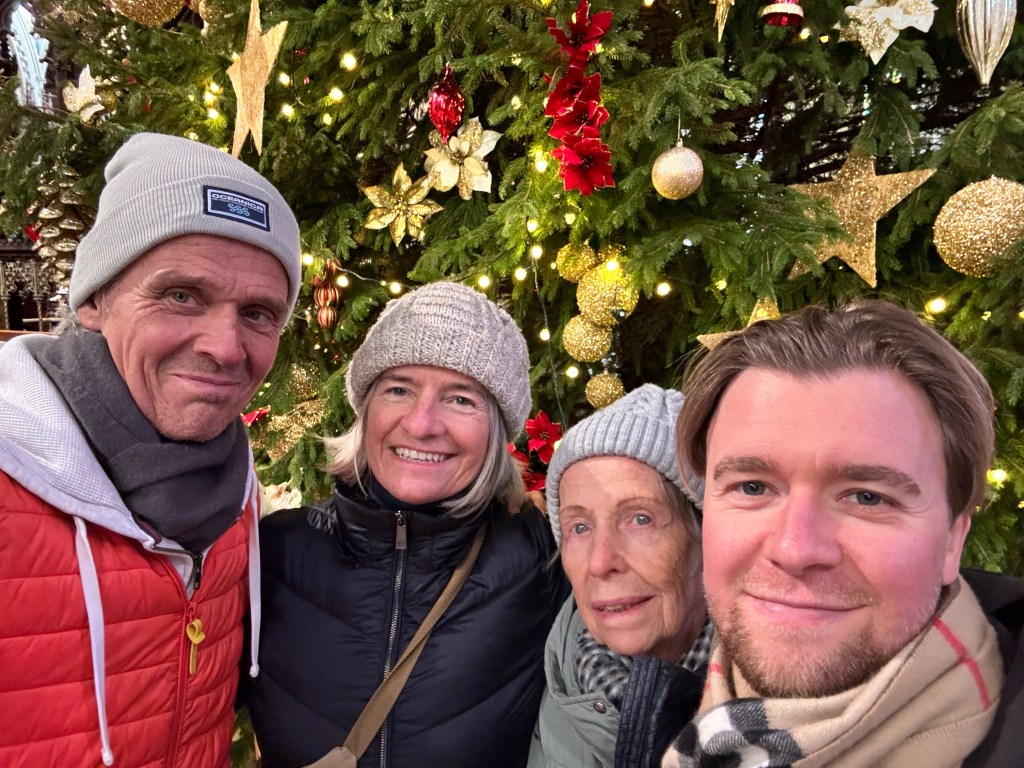
We went with my mum to church on Christmas Eve, which turned out to be a very festive and jovial affair. Christien arrived at midday on Christmas Day, lured in with the promise of a feast, long walks and time together. He knows how to stay in his mum’s good books.
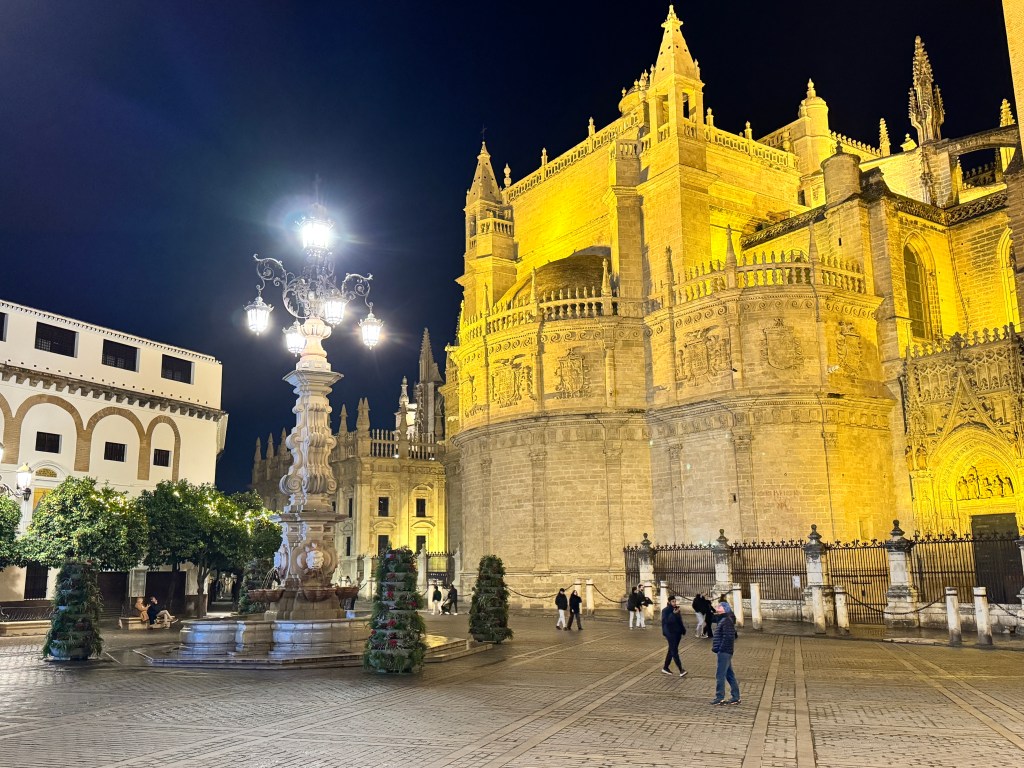
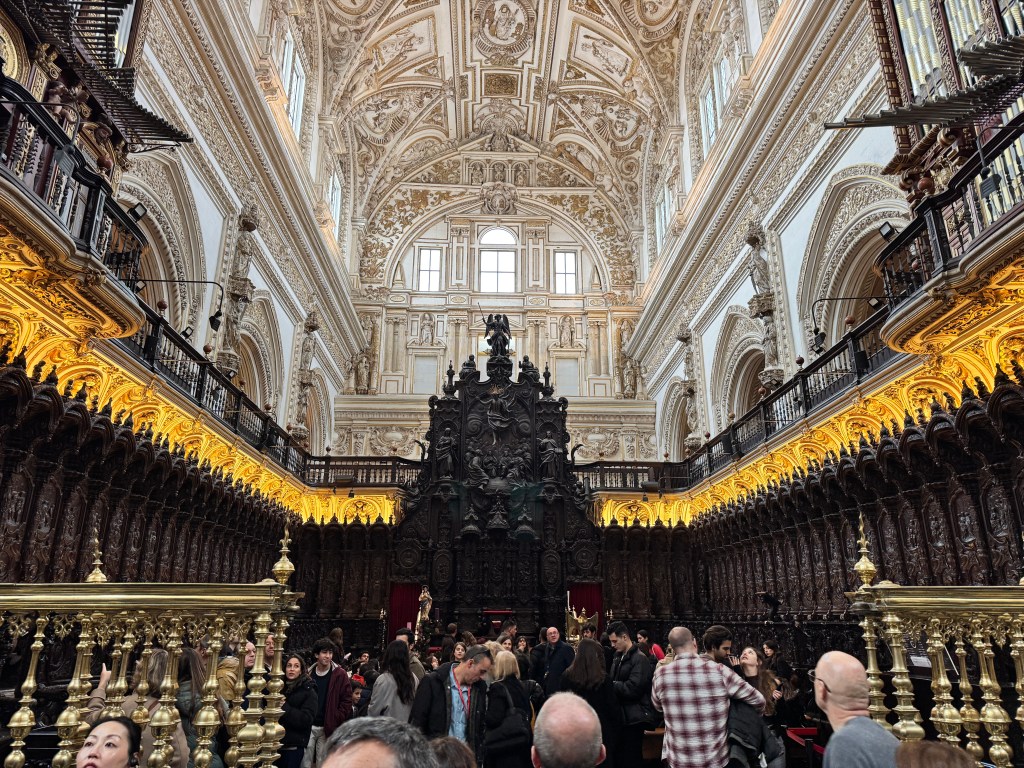
We decided to spend a day in Ely, wandering around the old historical centre and looking inside its impressive cathedral. I’m not entirely sure what it is, but we’re both drawn to religious buildings. Not because we’re deeply religious, because we’re not, but more because we both appreciate the architectural design and the sense of history they hold.
The temperatures have dropped, but it’s been dry, which I really don’t mind. You can dress for the cold. Ely also has a roastery, so I picked up some fresh beans for the coffee machine I bought for when we’re in the UK. After deciding that spending £20 a day on coffee between the three of us probably justified splurging on a good machine, I went all in, including the bits and bobs that go with making the perfect cup. Let me tell you though, I have a new appreciation for our great barista in St Ives. I’ve already wasted a few bags of coffee and bought some ridiculous extras in my quest for that elusive perfect cup.
The following day we met up with Seb and Ally at The Cock in Hemingford Grey, which is a favourite of ours. Good food, family banter, and a few board games afterwards, which we all enjoy. Then it was time to say goodbye to Seb, Ally and Christien. Great fun all around.
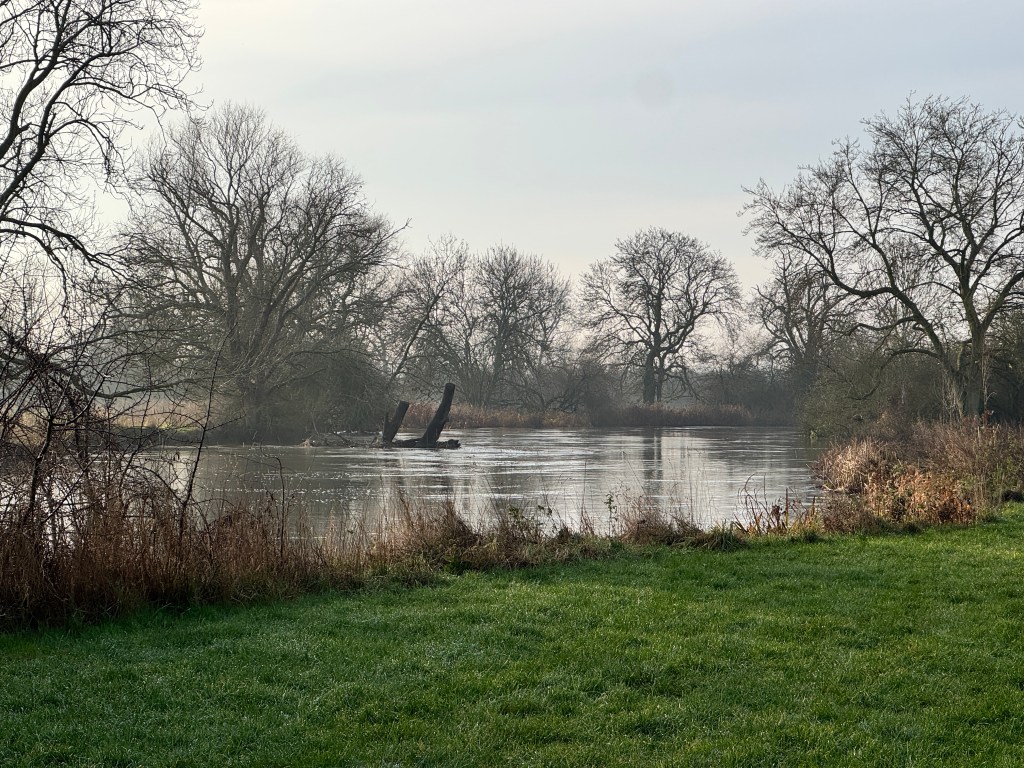
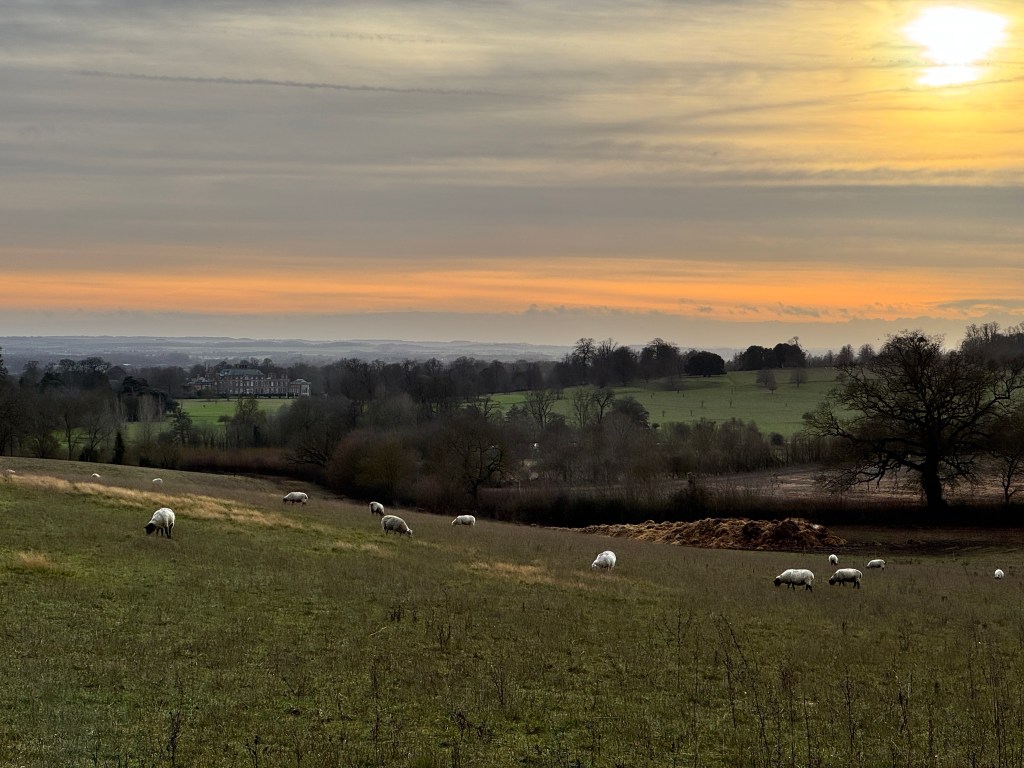
New Year’s Day saw us on a long walk around the grounds of Wimpole Hall, just outside Cambridge. We always check on mum to see if she’s alright, but she usually outlasts us both.
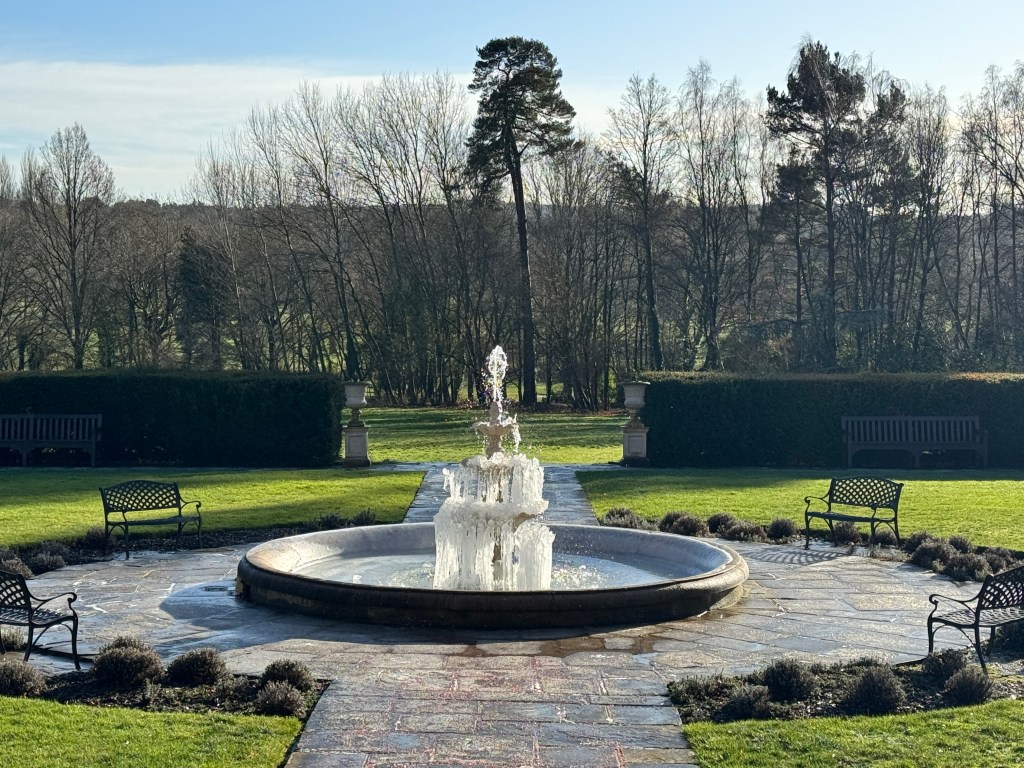
Rachel had her team meet-up in Crowthorne, so we left a snowy Hartford and headed to Easthampstead Park, which is always a comfortable stop for us. Rachel went off to meet up with old friends, while I caught up with Paul, Steve and Jeff. After decades of gyming together, we still manage to keep in touch, and brunch at the farm shop has become a bit of a tradition.
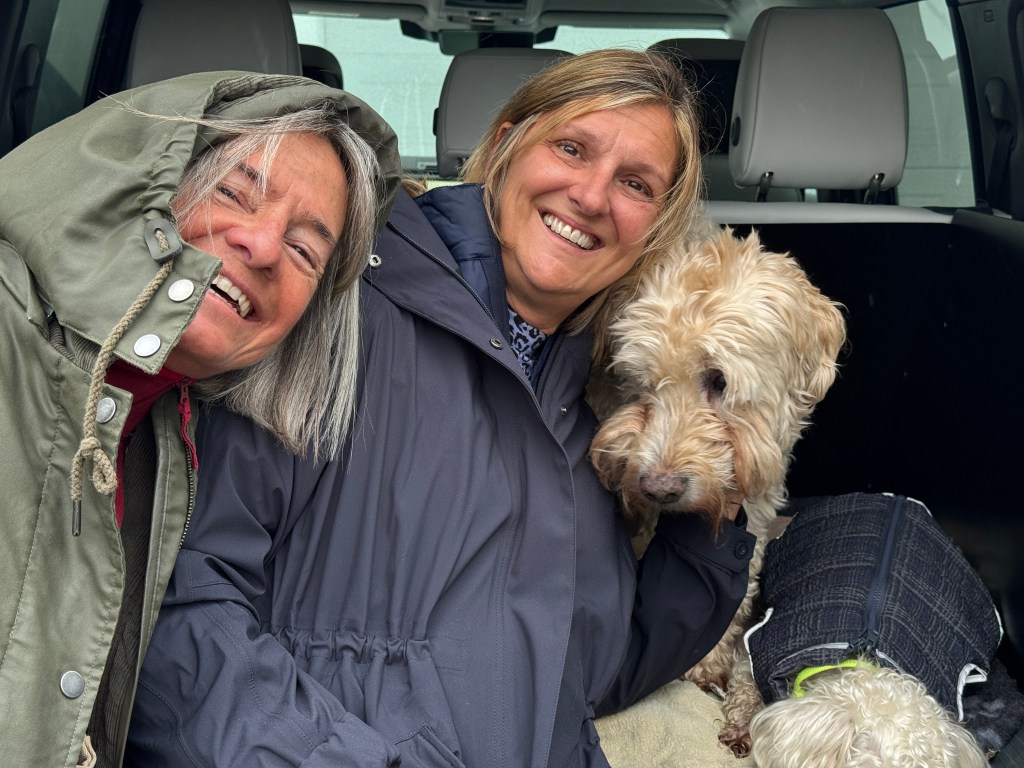
The following day I met up with Andy for a march around the grounds, putting the world to rights as we always do. Just after New Year, we managed to see Chris and Lesley and their dogs for a walk, although it ended rather abruptly when we found ourselves in the middle of a shoot. Still, it was great to see them. We don’t often get the chance, as they’ve become busy travellers too.
I’ve really enjoyed this Christmas.



















 Dream Chasers