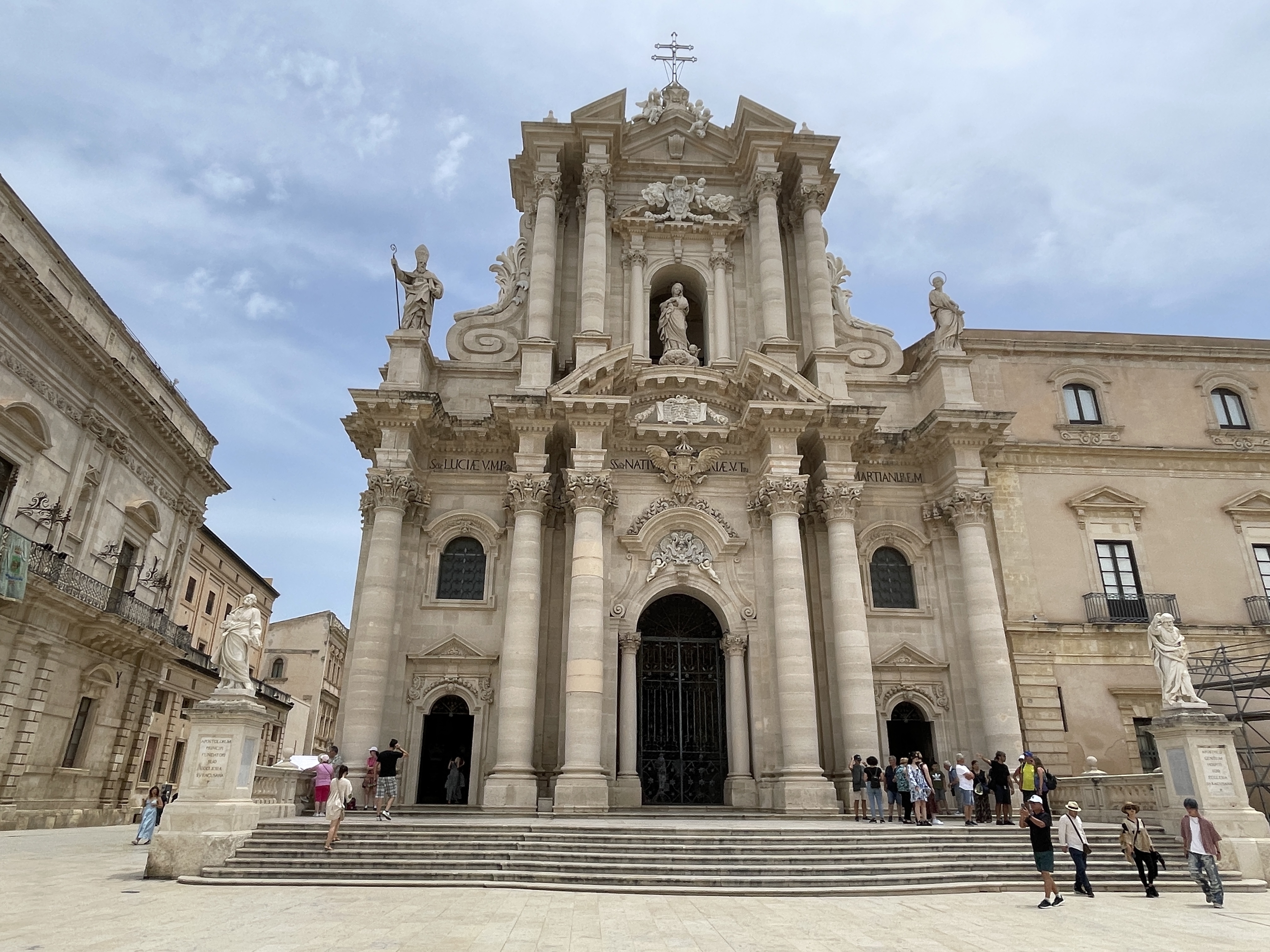
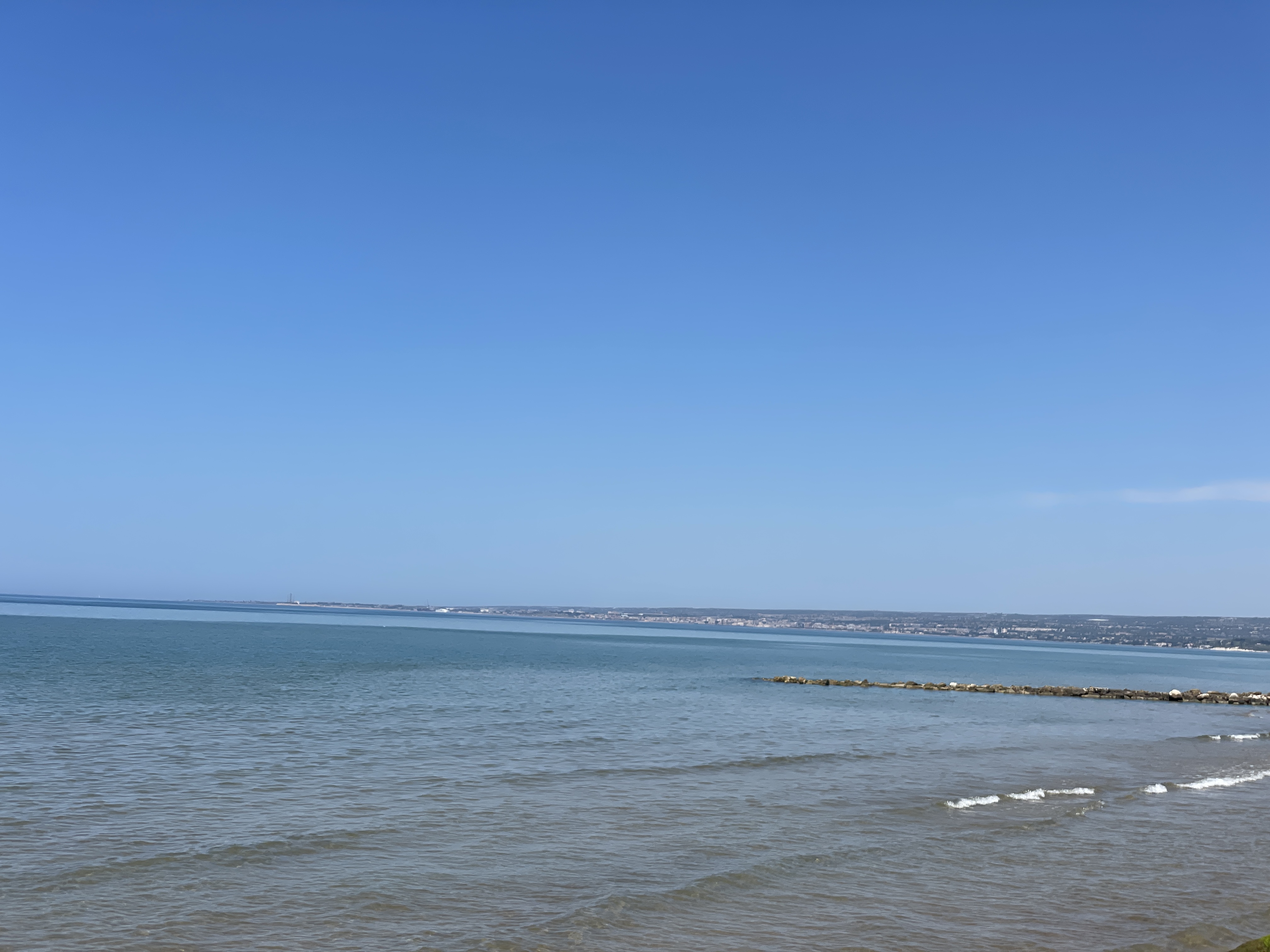
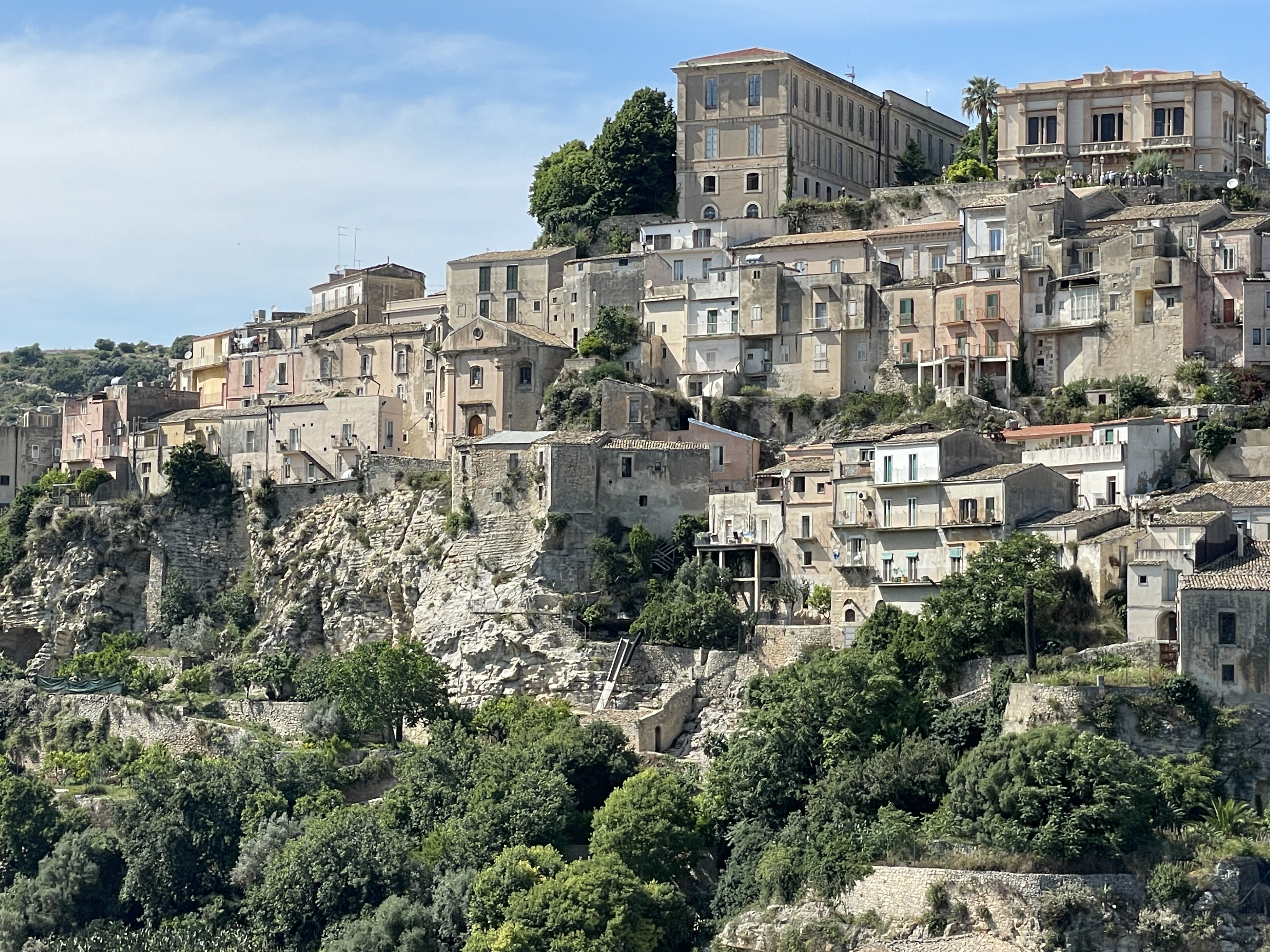
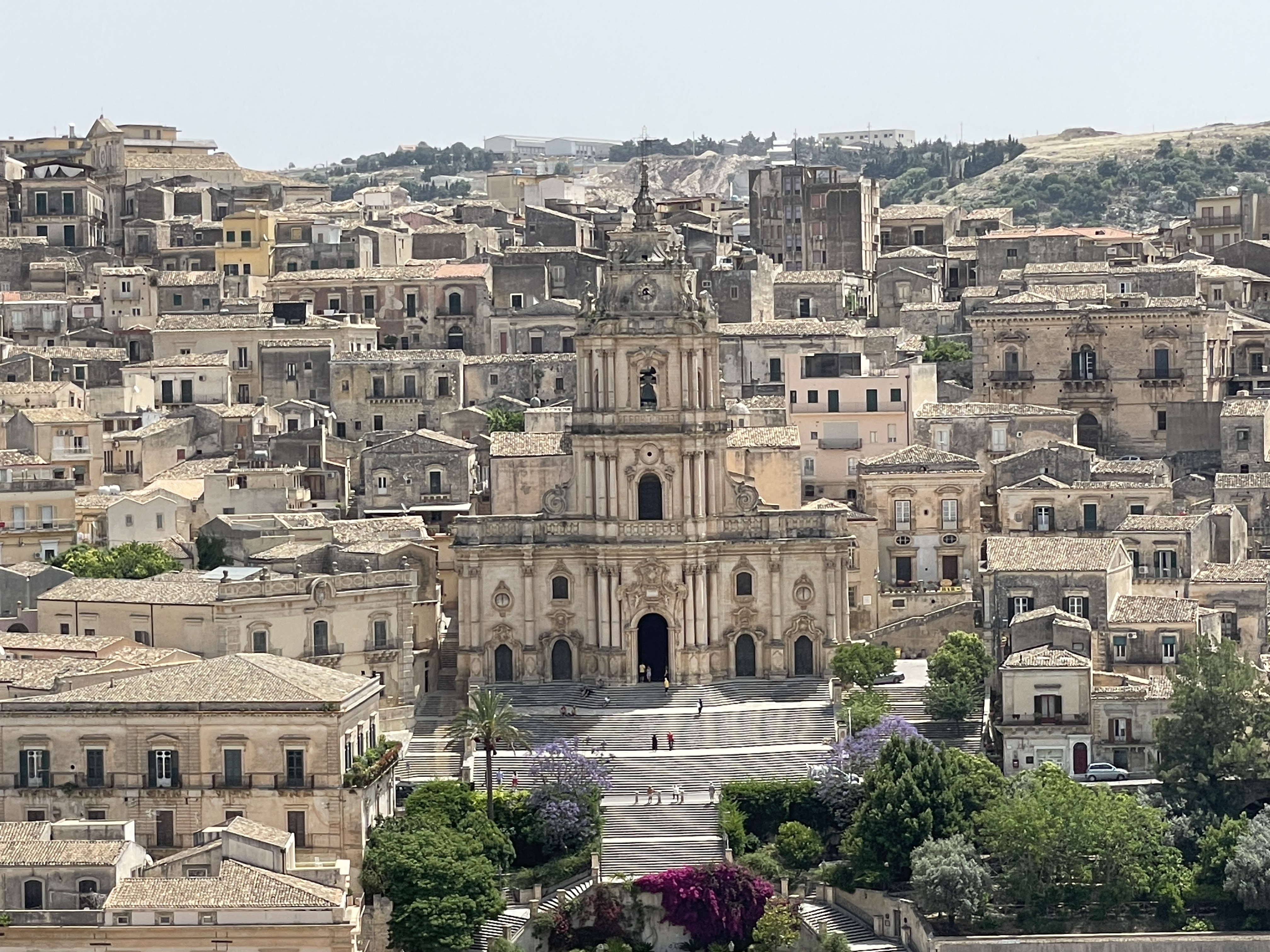
Zarzis…our new base to explore the south

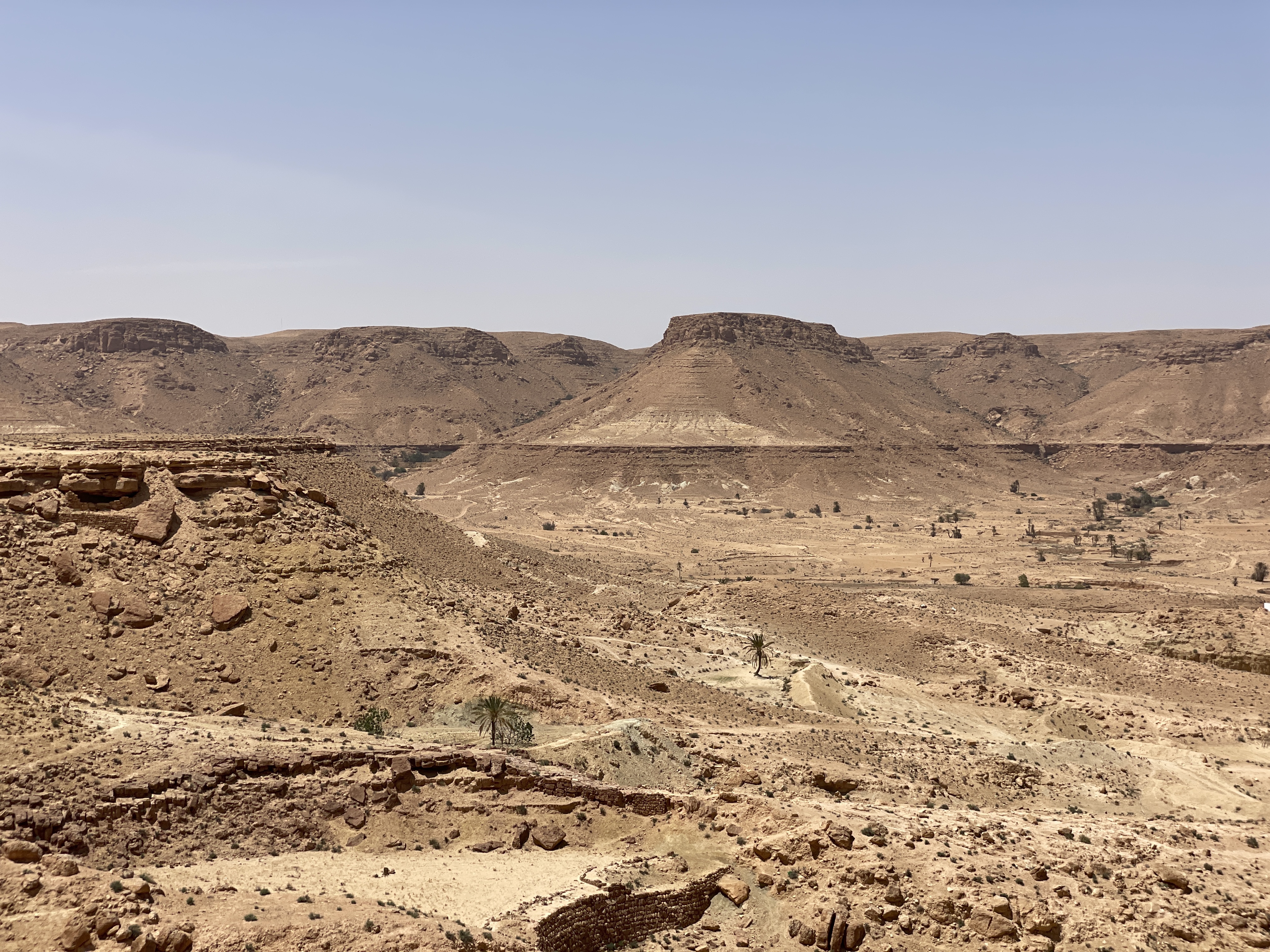
It has been a month since our arrival in Mahdia, and it was time for us to move on. We had made arrangements with our new host for a car to pick us up and embark on the long journey south. Late Saturday morning, after packing all our luggage, shopping, and kitchen supplies (we’ve learned it’s best to stock up on essentials when we arrive in a new place), we set off on our Tunisian adventure with Omar, our getaway driver for this 400 km leg of the trip.

The first hour and a half was a white knuckle ride through backstreets, eventually leading us to the country’s main highway, which saw us race through the now familiar olive groves Strangely at pretty much the mid-point, the sky appeared to darken without any clouds in sight. By the time we reached the toll booth at Gabes, we found ourselves in the midst of a sandstorm. The biting winds from the west were carrying Sahara sands across our path, and this continued for the remainder of our four and a half journey until we reached Zarzis.

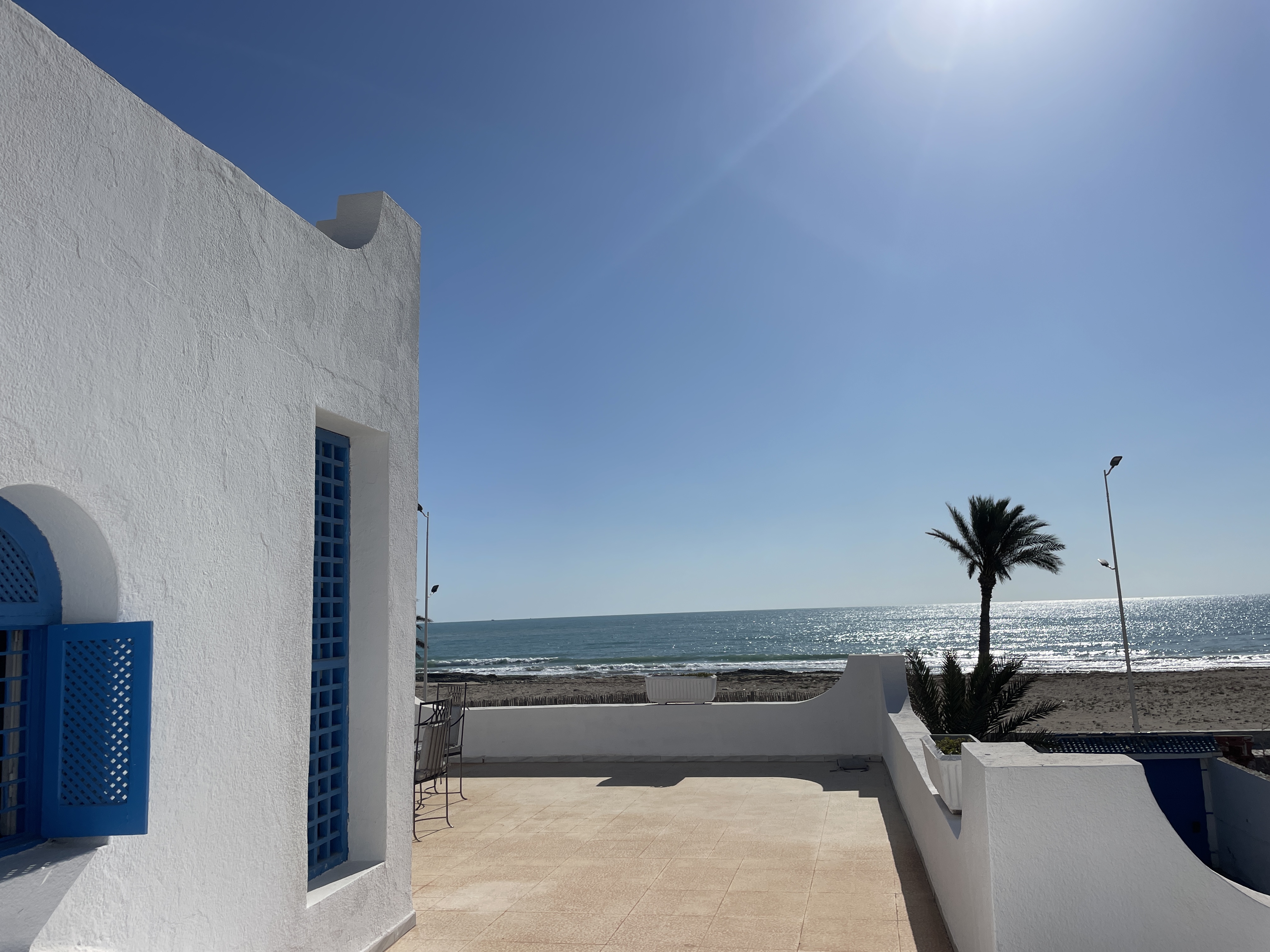
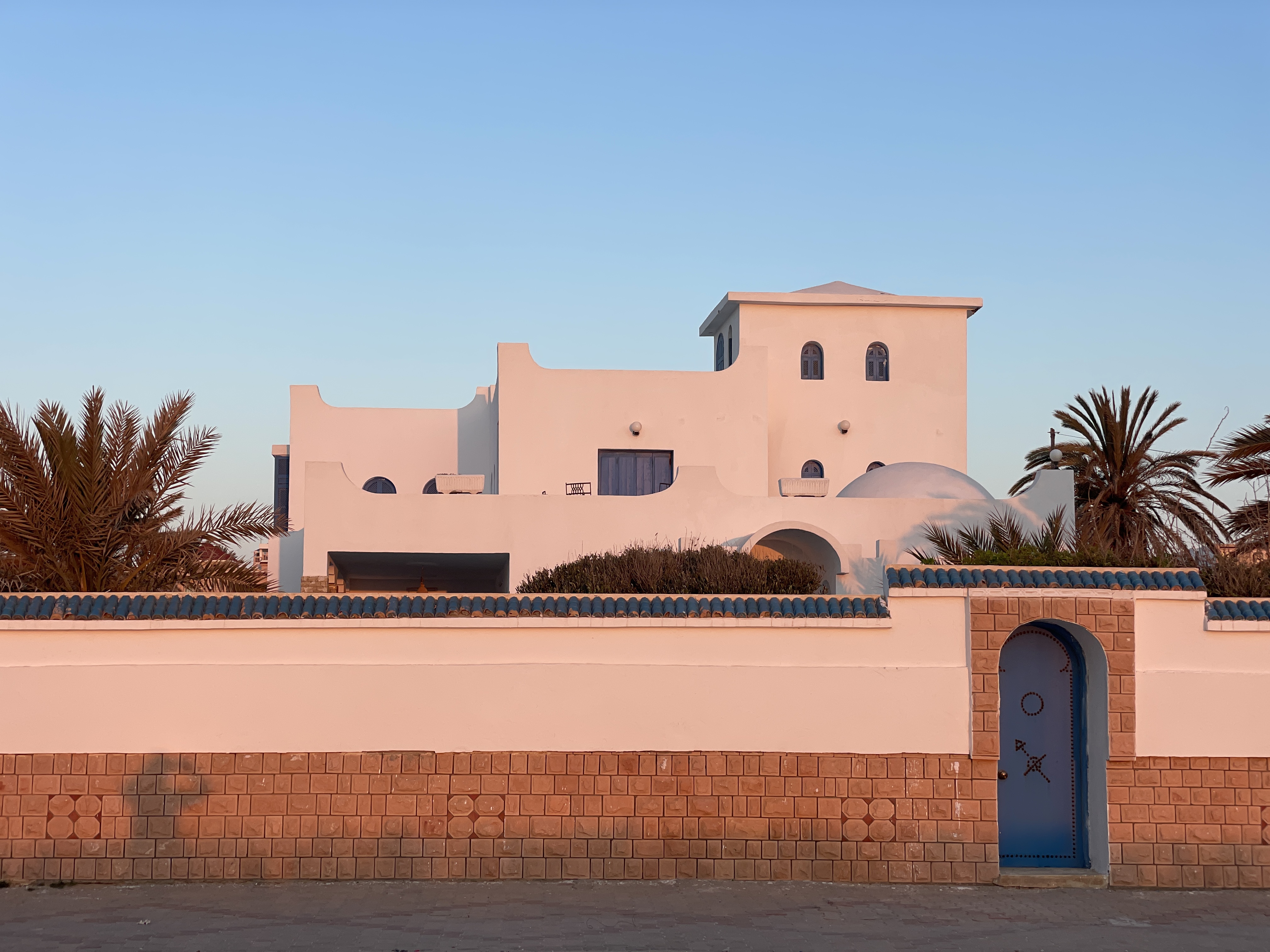
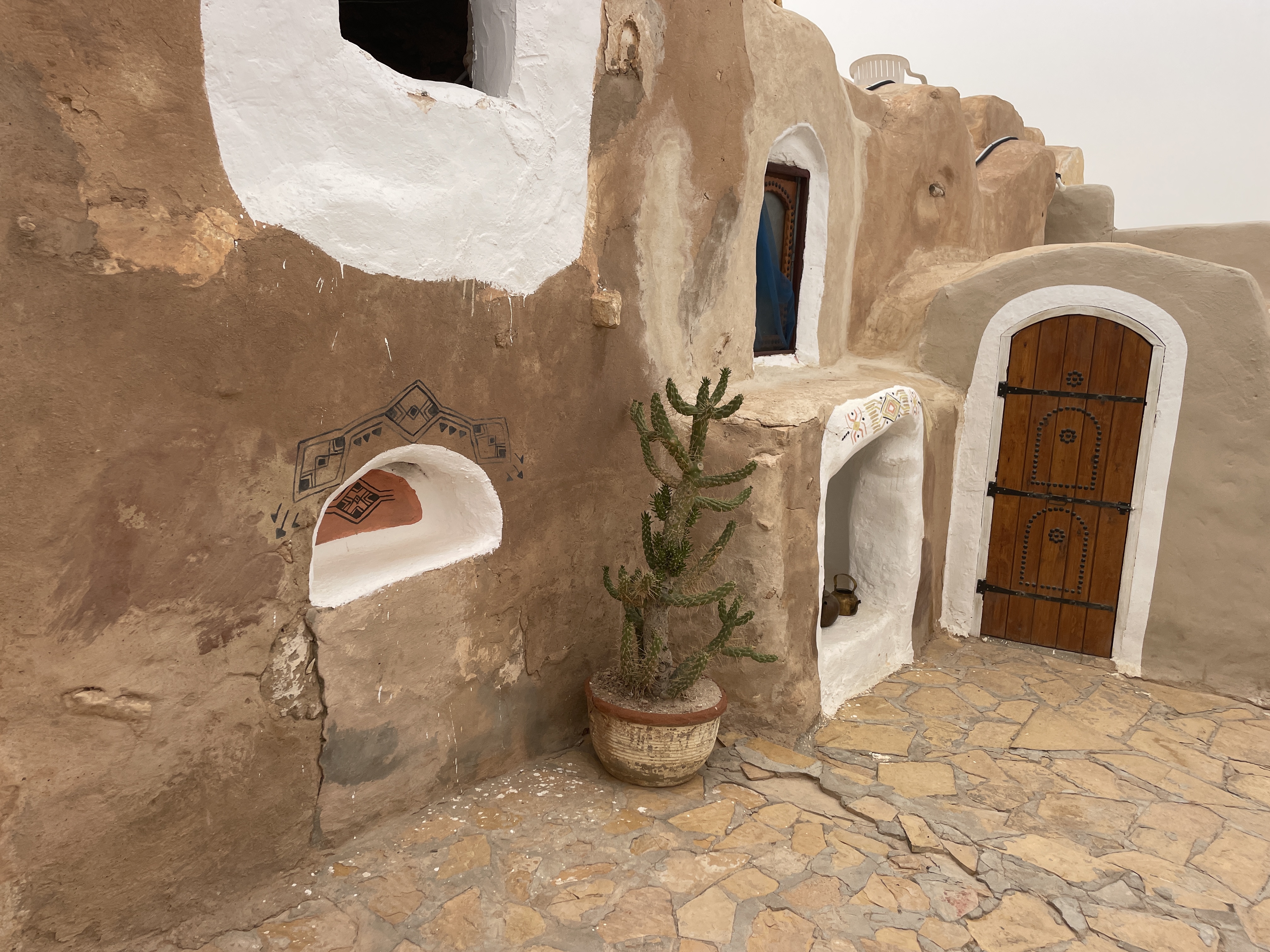
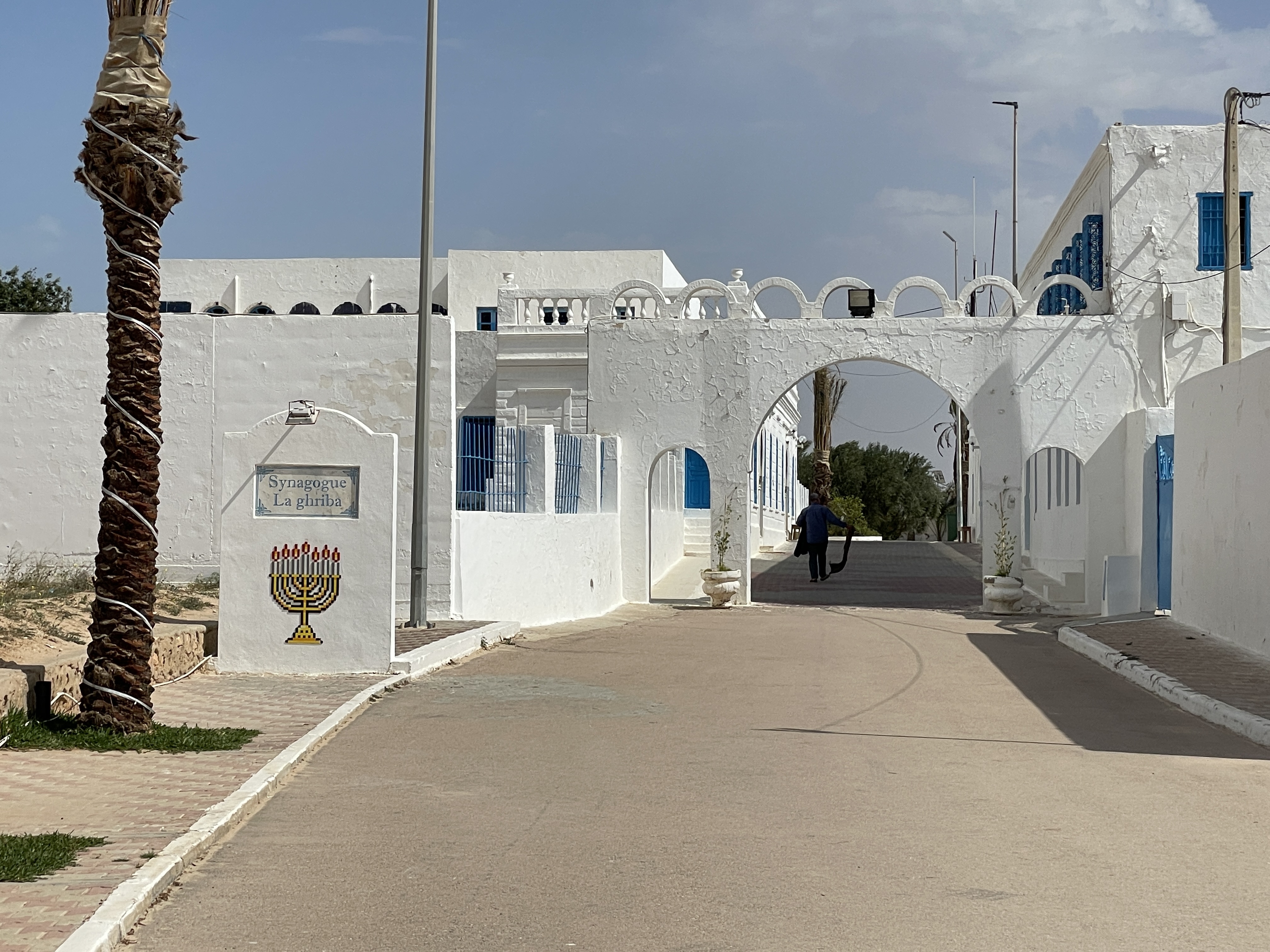
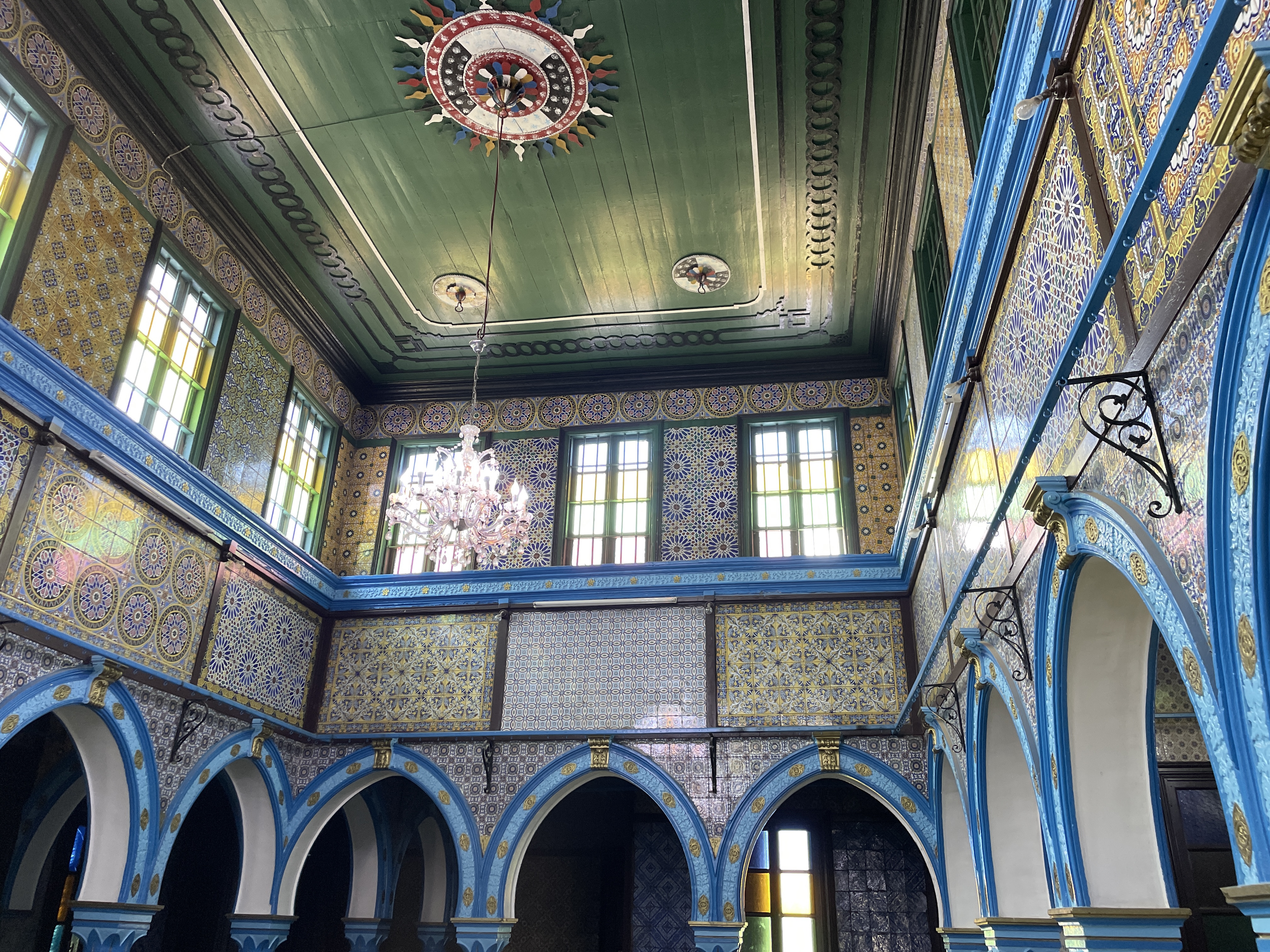
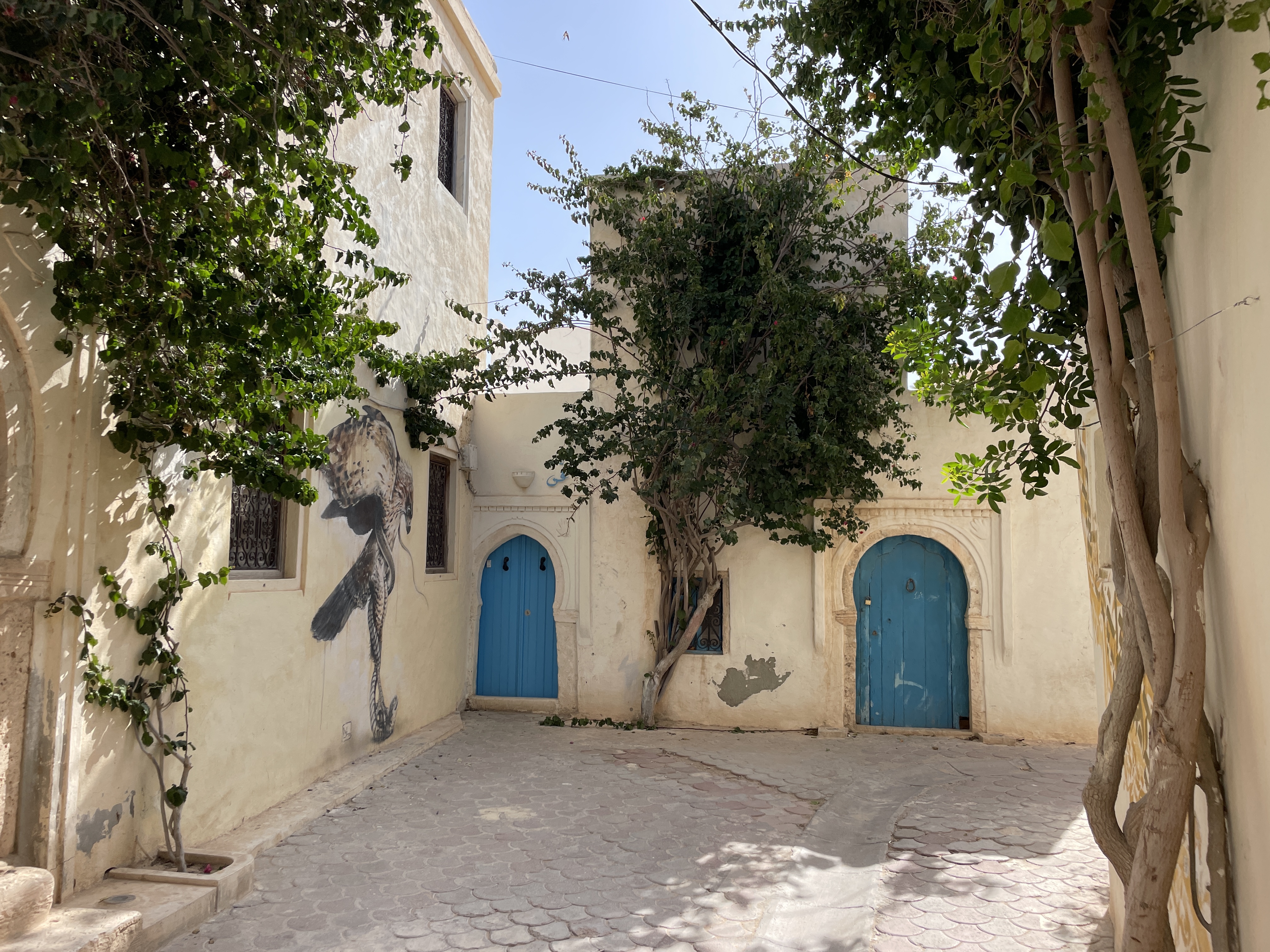
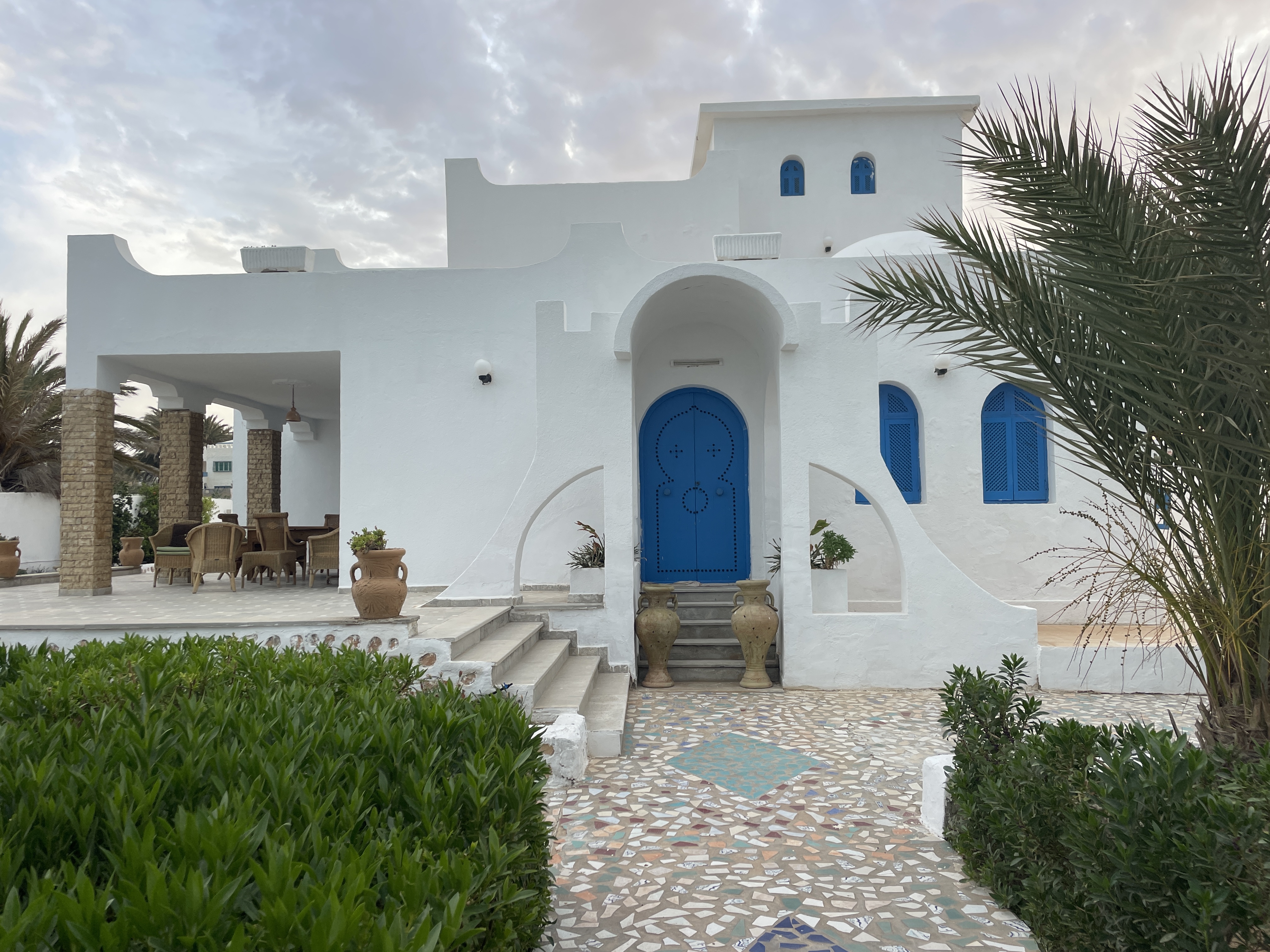
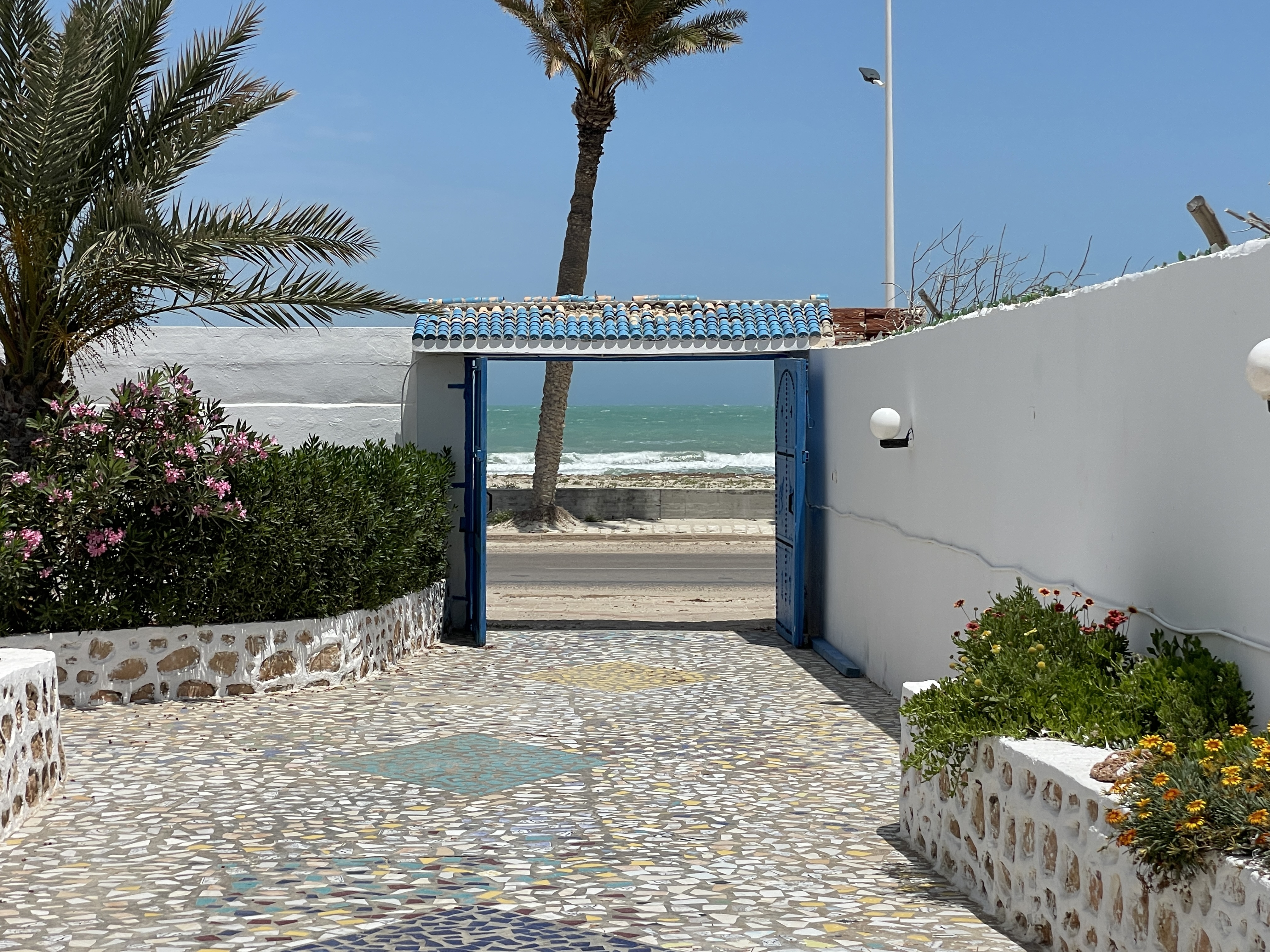
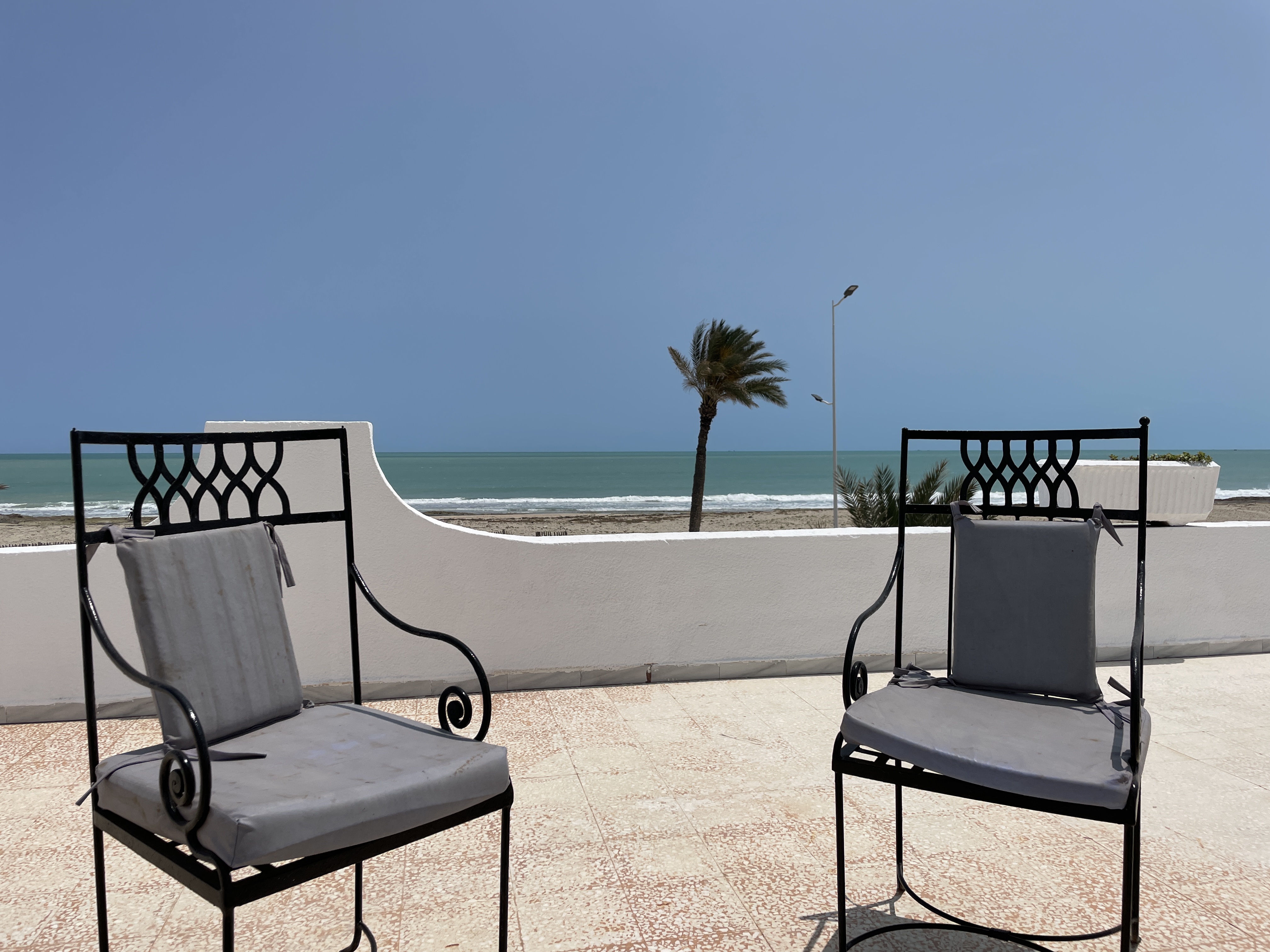
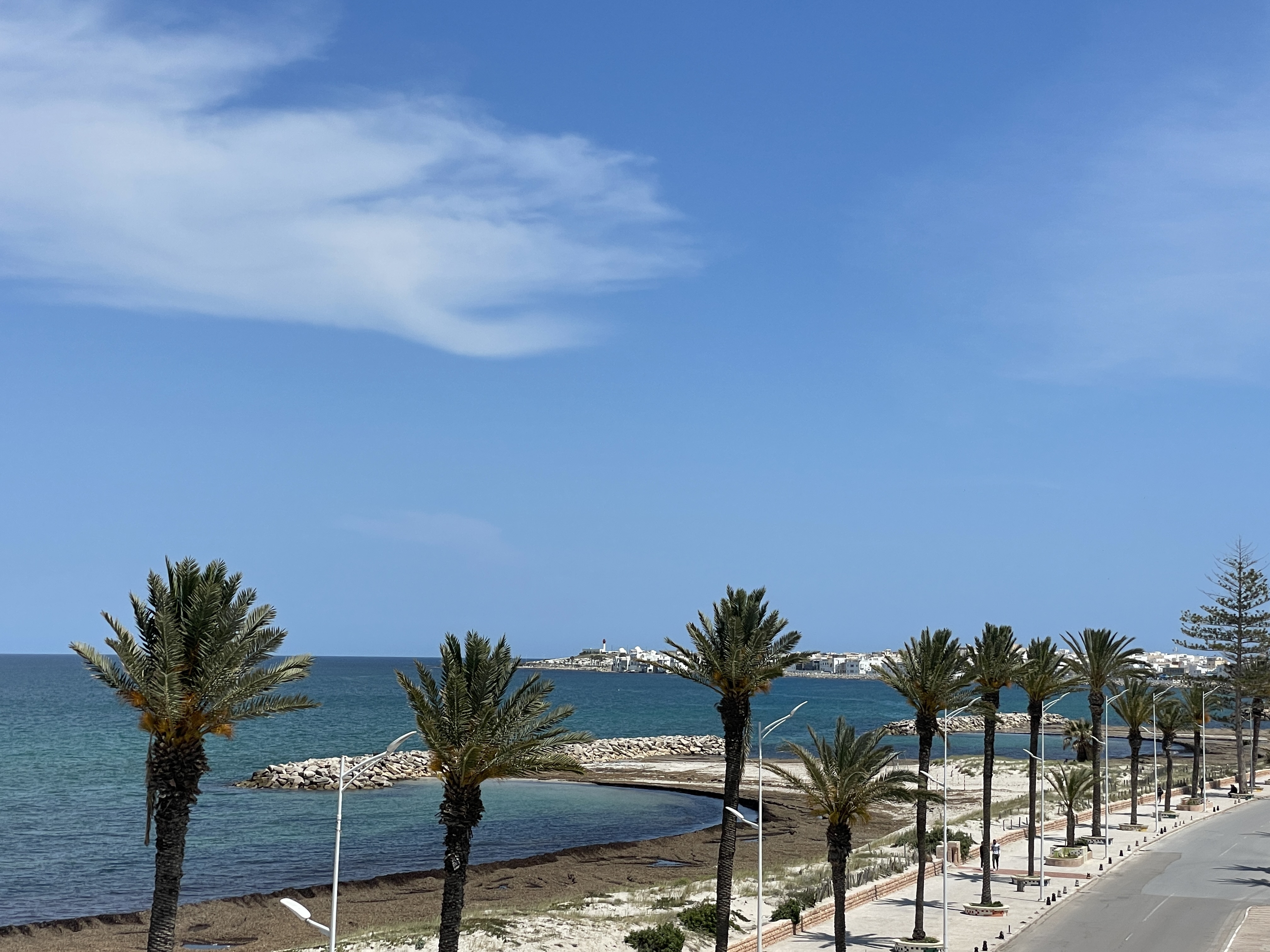
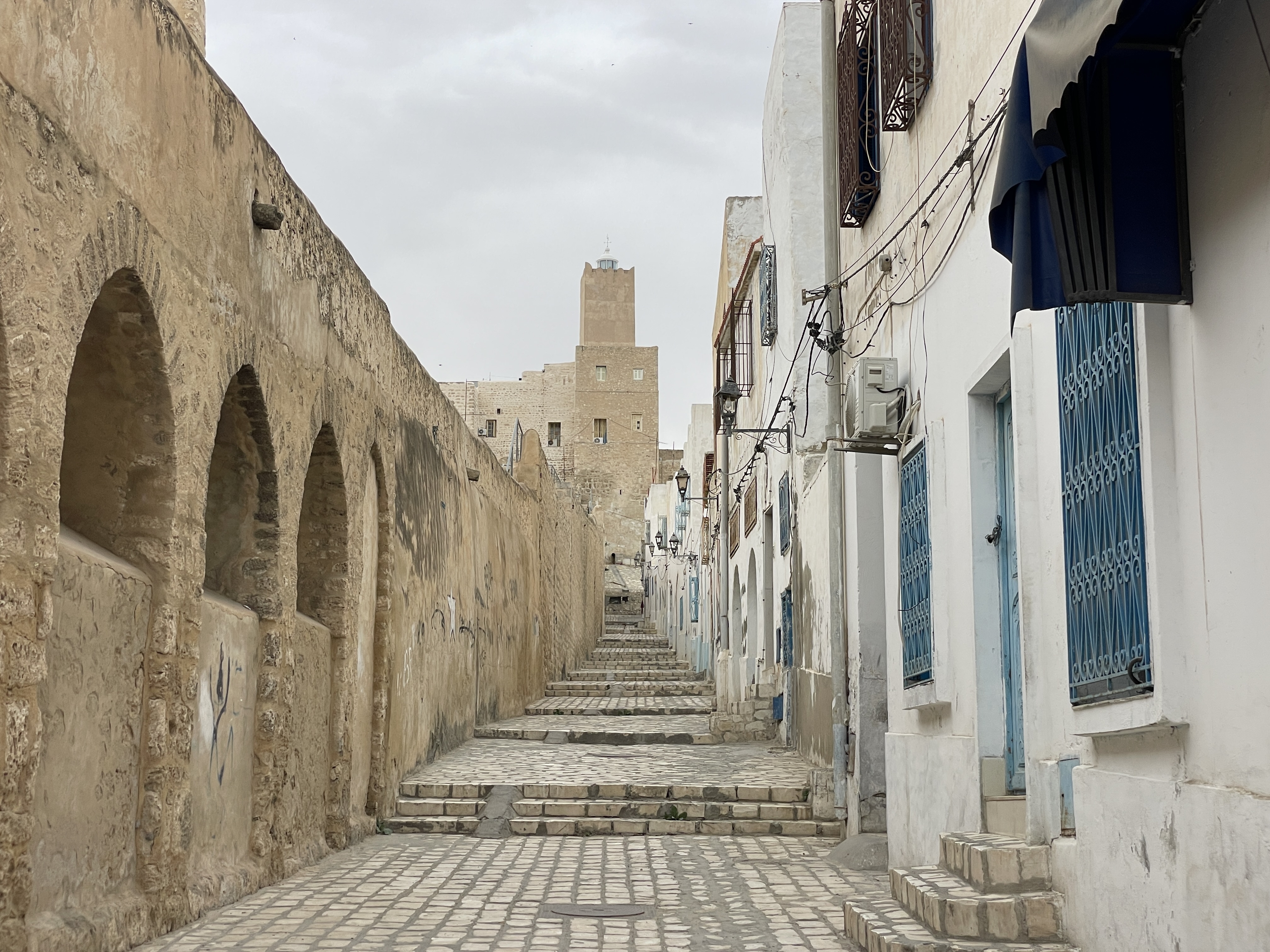
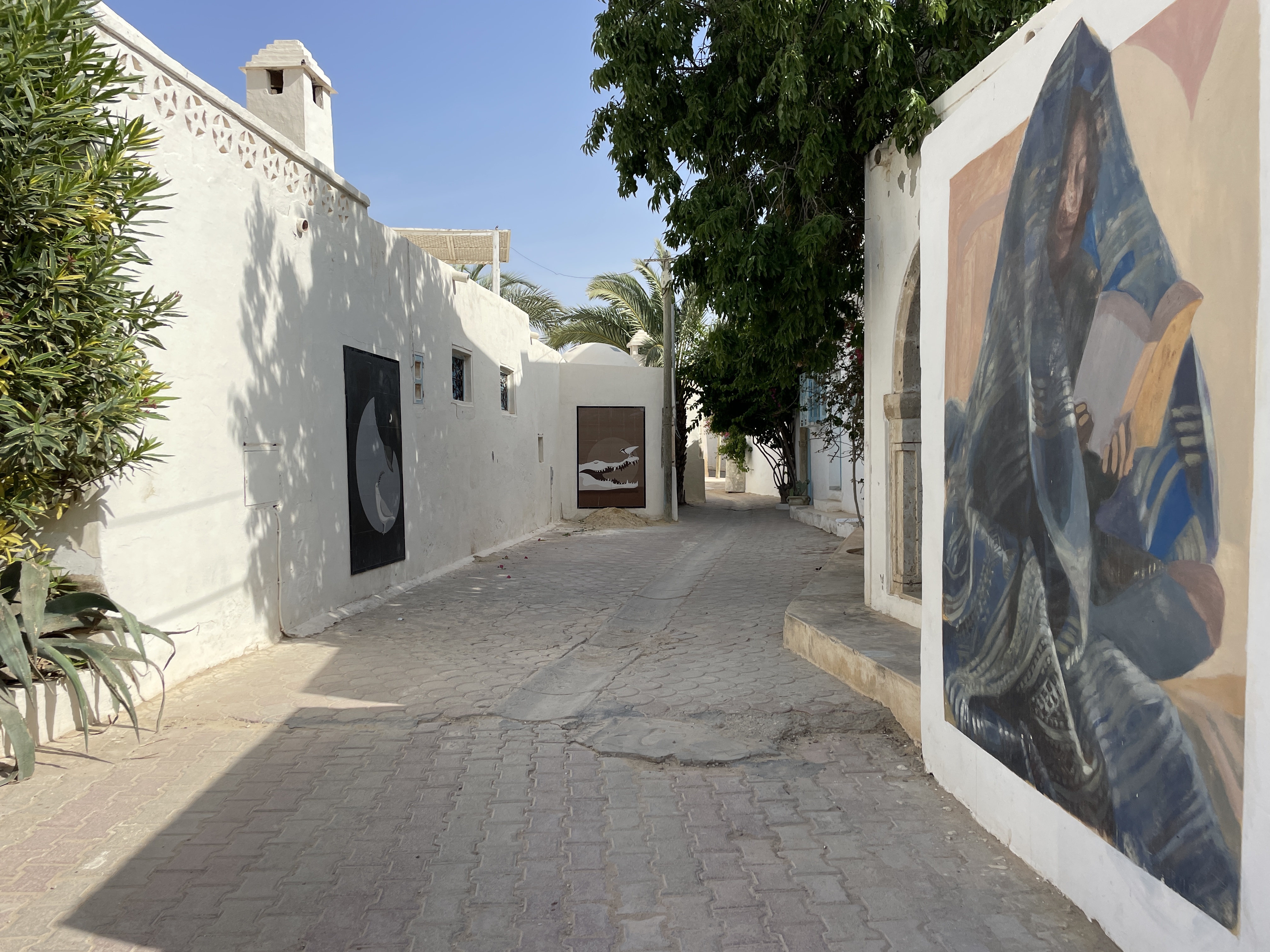
Zarzis is a smaller town than Mahdia and is located below the small island of Djebra, about 200 km from Tripoli. As I mentioned in an earlier post, we have been experiencing stormy weather with strong winds here in Tunisia and upon our arrival, we found the cleaning team at the villa re-cleaning due to the windows not being properly closed before the night before storm hit. After an early dinner at a restaurant, we returned to the villa to settle in. It is situated directly opposite the beach, offering spacious outdoor areas and a vibrant garden. I love the ornate doors around the property they’re very authentic. Additionally, all the doors and windows have an arched design, which may hold some significance. In Tunisia, the blue color of the doors and windows symbolizes peace and tranquility. The inside’s a bit eclectic though….it’s like moving through different periods in history!
Sousse, Mahdia and some stormy weather

The winter in North Africa was exceptionally dry, impacting not only the local population but also the European food chain, which heavily relies on North African produce during the winter months. The water shortage is a stark reality here, with the supply being turned off every evening at 8 pm and not restored until just after 6 am. While it was initially uncomfortable, it’s remarkable how quickly one adjusts and gains a deeper appreciation for the preciousness of water. Therefore, the rain we’ve experienced over the past 10 days or so, has been greatly welcomed.

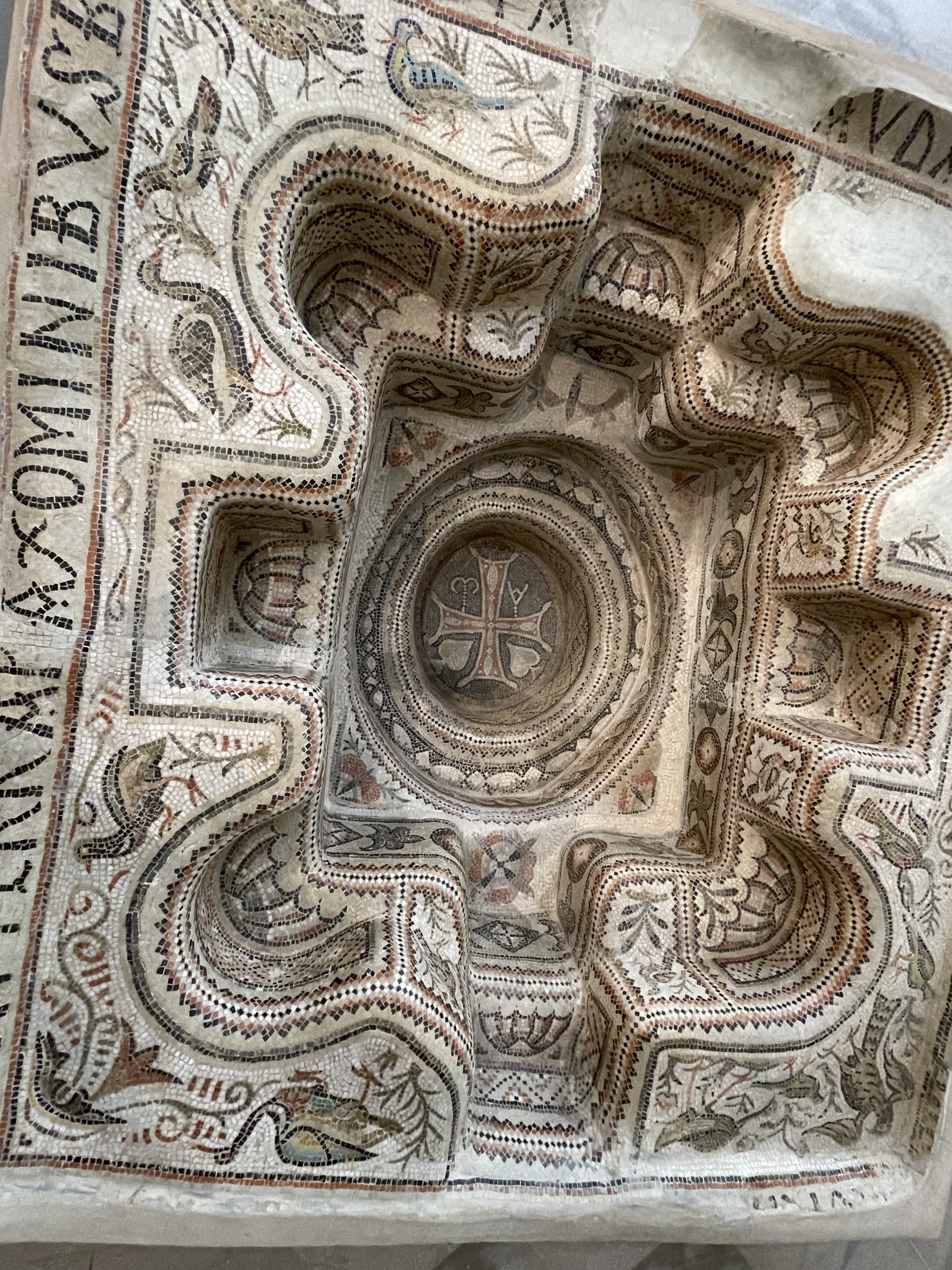
During one of the dry weather windows, we decided to visit Sousse, located about 60 km from Mahdia, which took us roughly an hour and 45 minutes on the small tram. We arrived under threatening skies and made our way up through the 11th-century Kasbah to the Sousse Archeological Museum, a small yet wonderfully curated museum primarily showcasing Roman mosaics depicting gods and mythical creatures from the 2nd and 3rd centuries. We were particularly impressed by the Bekalta baptismal font of Byzantine origin. Afterward, we wandered down through the medina to the port and tried out a recommended restaurant, which unfortunately turned out to be a disappointment. However, such experiences are all part of the journey.

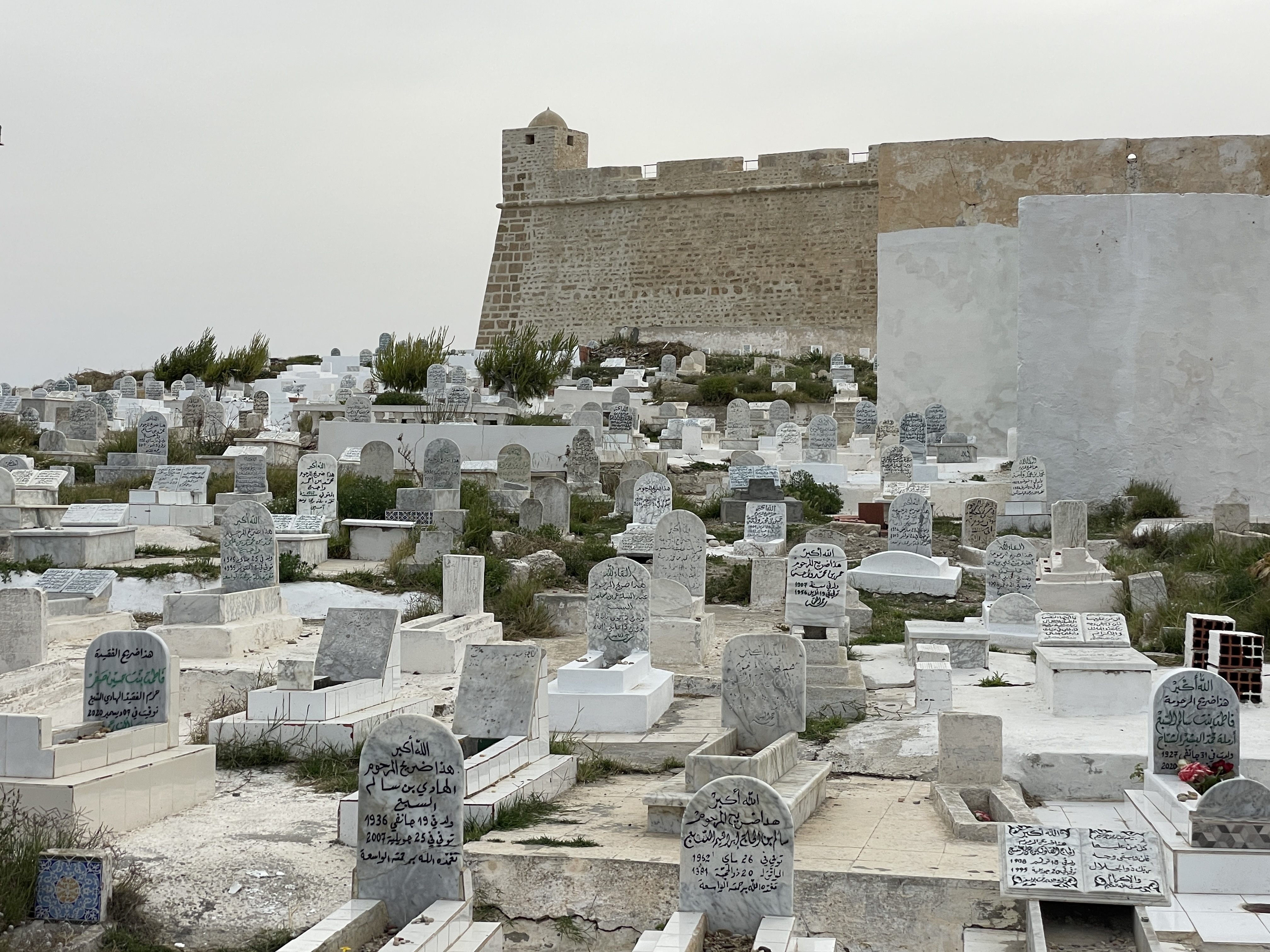
We made our way to the easternmost point of Africa, known as Cap D’Afrique. Here, we explored the remnants of a Roman port that later became the center and birthplace of the Fatimid dynasty. Overlooking the port on the hillside, we discovered an ancient cemetery where all the graves were uniformly white, with the same level of detail, symbolising the absence of distinction between rich and poor, there’s also a small basin on each, designed to collect rainwater for birds and small animals, which I thought was wonderful.

A random amphitheater- El Jem

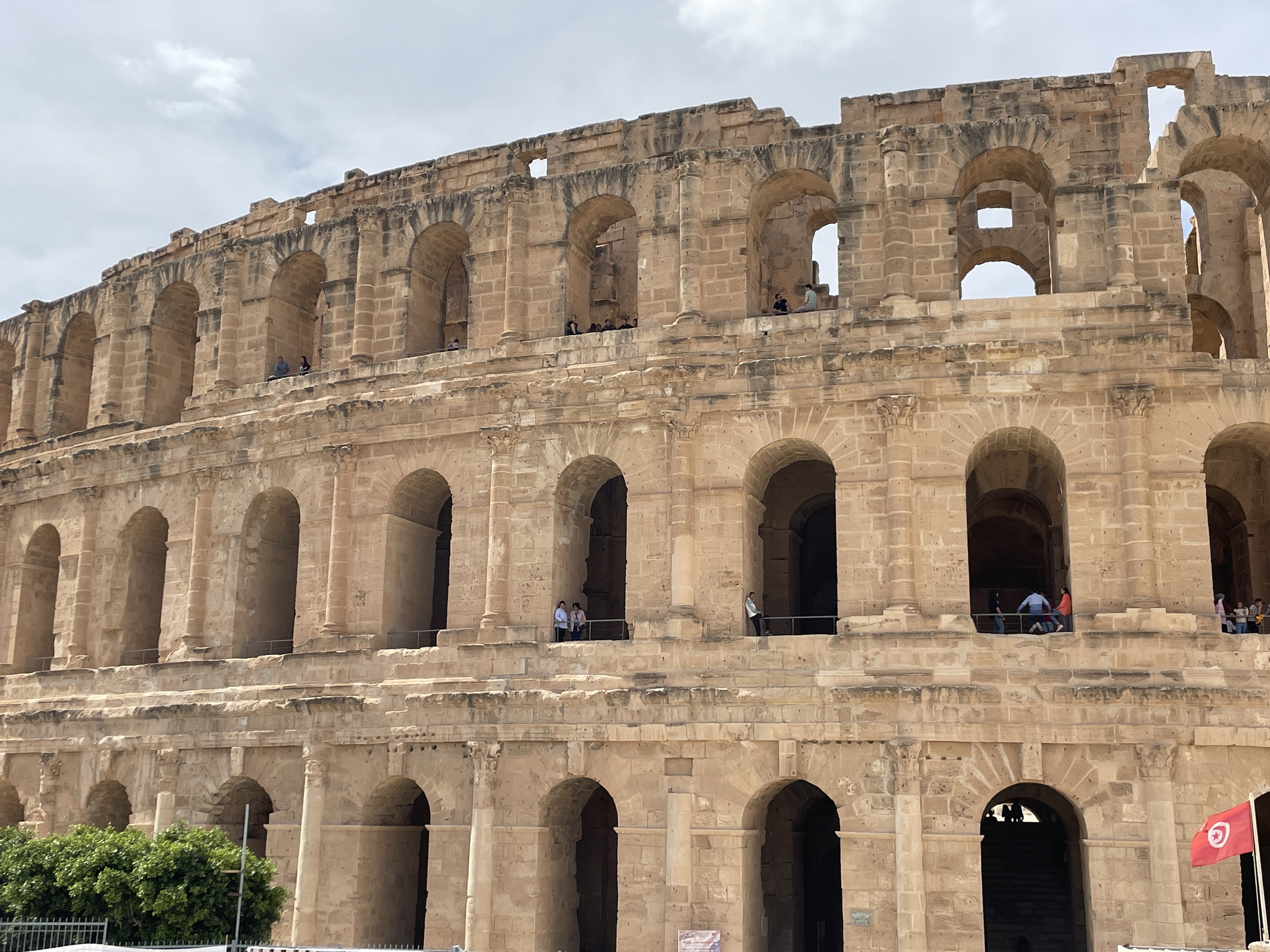
El Jem is located inland, to the west of us, and the only ways to get there are either as part of a tour or by taxi, as the amphitheater is located in an isolated small town. Since I preferred to see it through my own eyes rather than through a guide’s, we had to take our chances with a cab. We went into town to look for the safest and comfiest looking car we could find for the hour and fifteen-minute drive and got into the back of Habib’s bright yellow cab. All of the taxis here are yellow. The road out to El Jem was a stretch of tarmac that wound its way through the ochre landscape, passing through occasional hamlets.

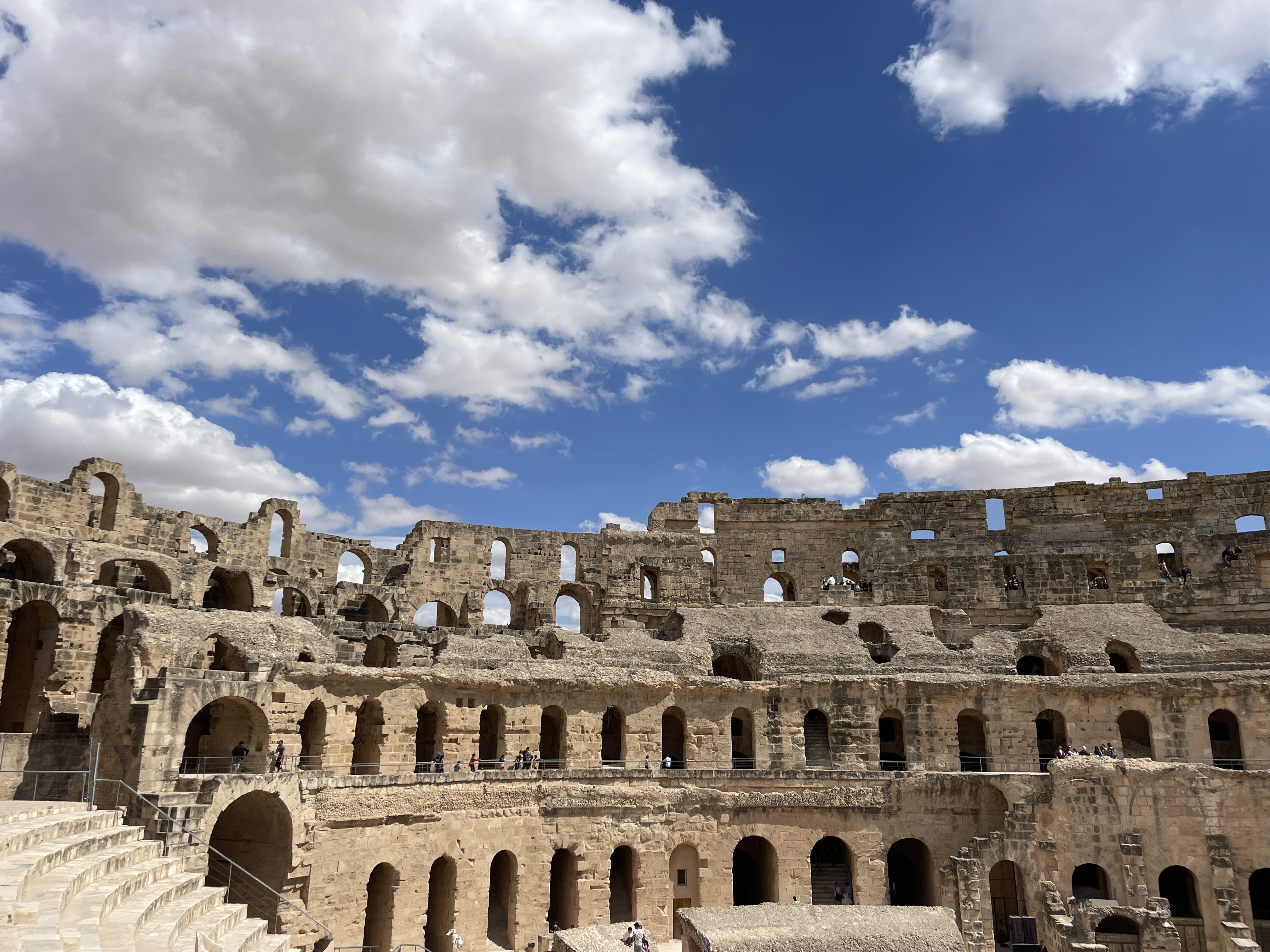
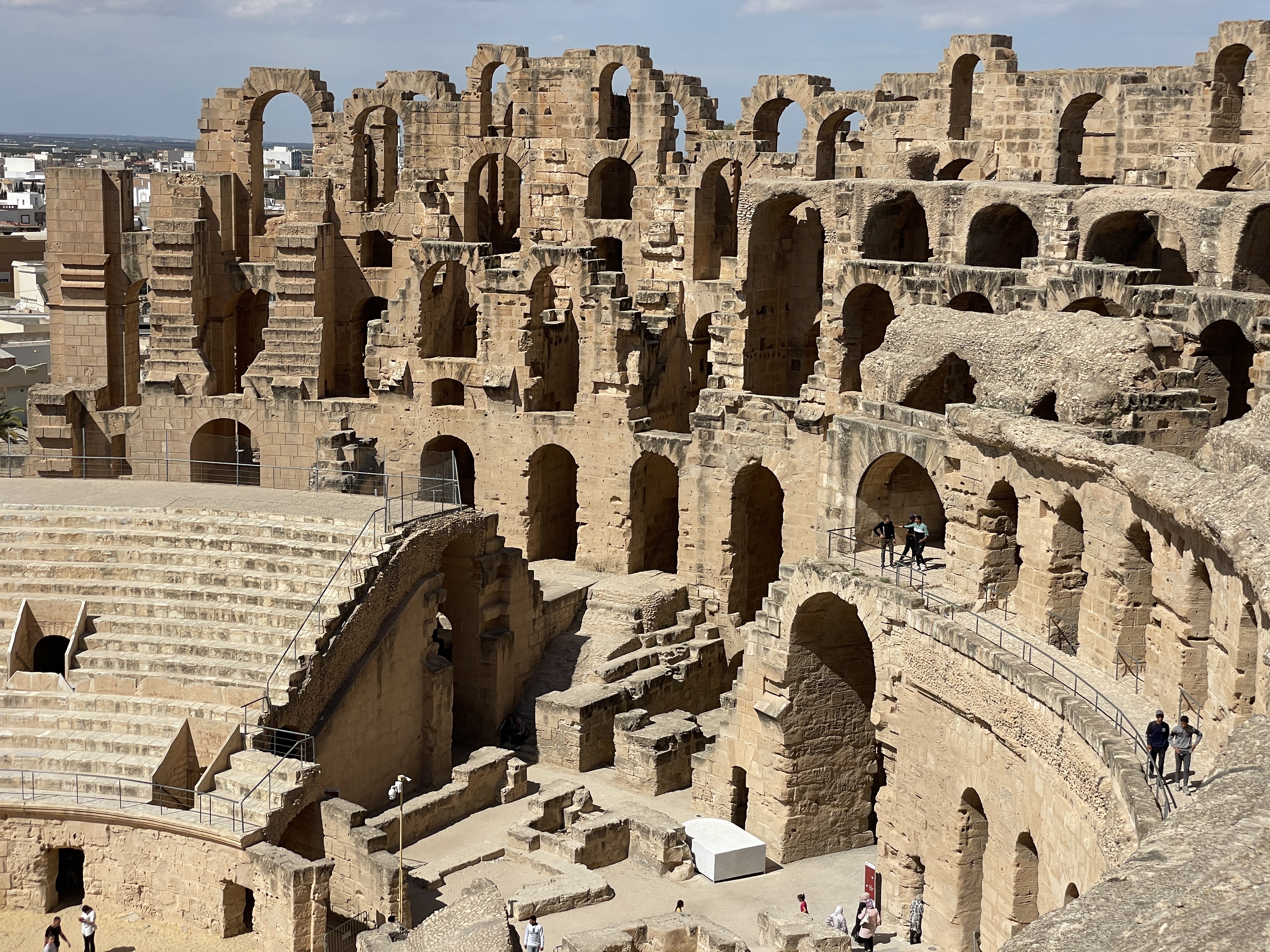
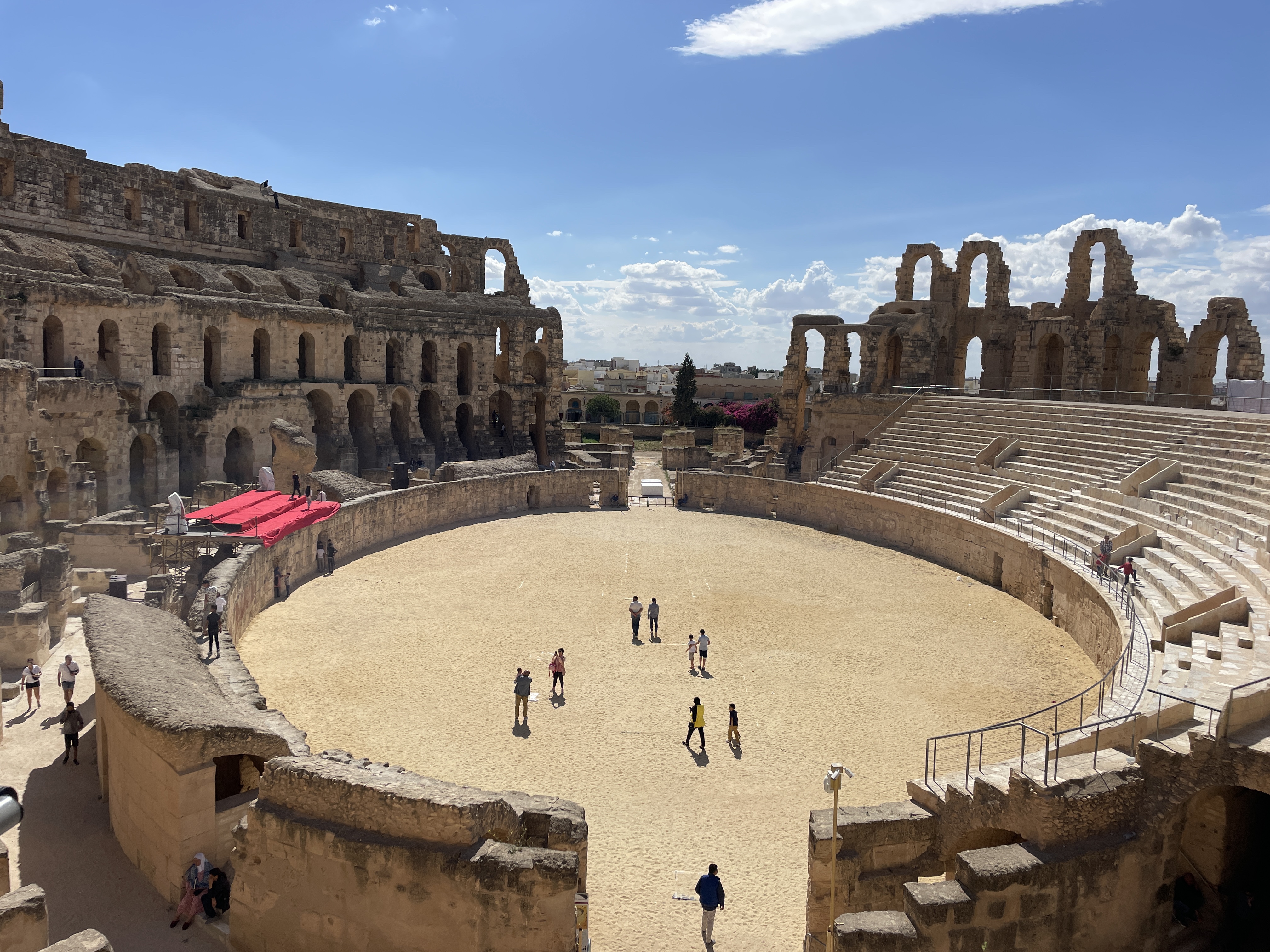
Upon arriving, we caught our first glimpse of the sheer size of the colosseum: built in the early 3rd Century, the colosseum is the second-largest in the world (after Rome’s). It is 149m long by 124m wide, with three tiers of seating 30m high, with seating capacity for up to 35,000 people. Today, it’s used as a classical and jazz concert venue. Our driver had to drop us off away from the entrance, which meant that we had to walk around the outside of the structure to enter.

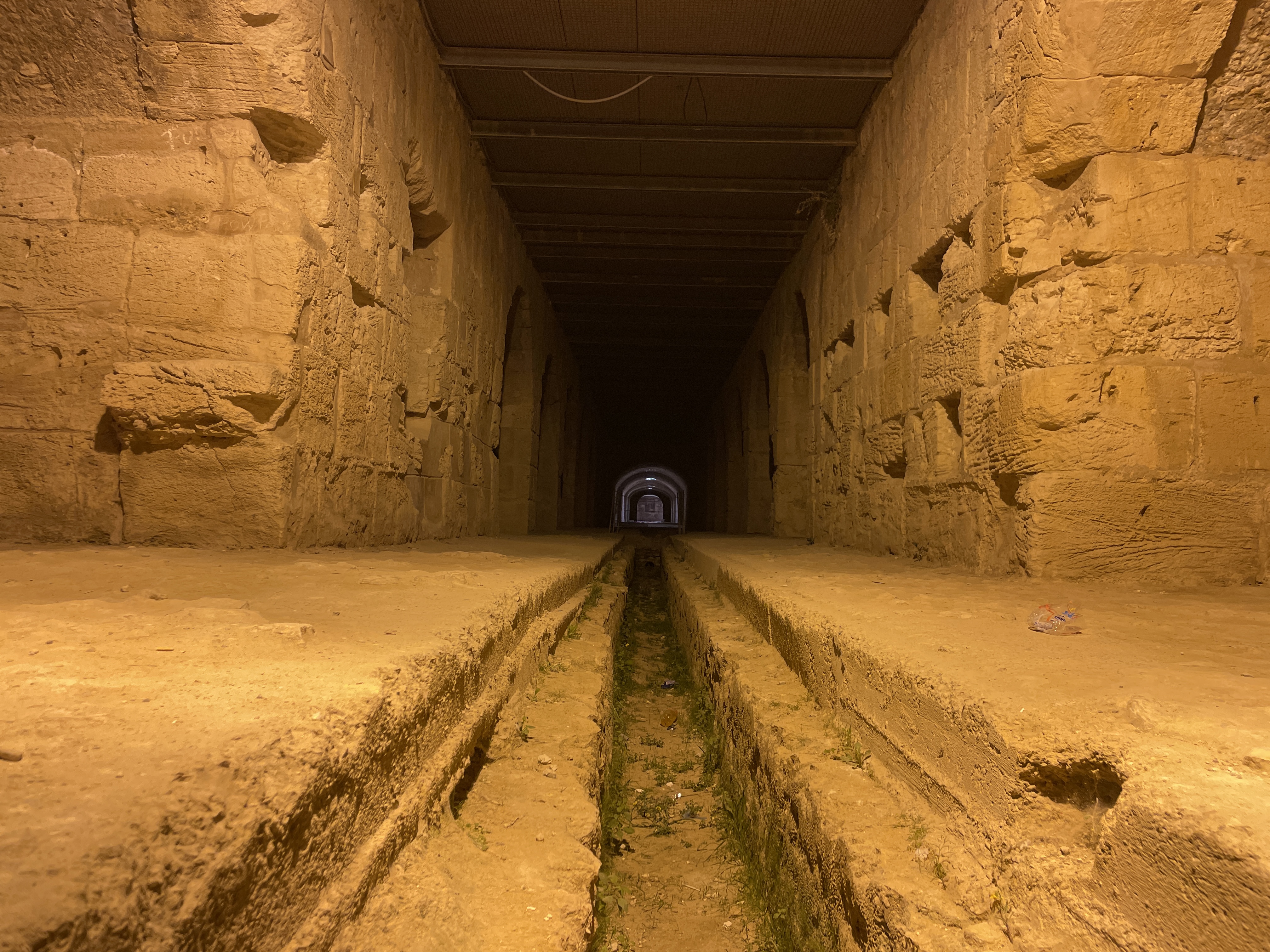
I’m always in complete awe of these incredible buildings that, after almost two millennia, are still standing and largely intact. As you walk into the coliseum and look around, you get a sense of how a gladiator might have felt as he waited to see what he had to defend himself against to save his life, all while the crowds were vying for his blood. This colosseum is unusual in that you can walk through many of the passageways that would have held beasts and prisoners alike before being led out to the arena. You can’t help but try to imagine what the noise and expectation of the 35,000 spectators whipped up into a frenzy would have sounded like.

We spent a couple of hours walking around this incredible place. We would have stayed longer if it weren’t for the fact that we had agreed with our getaway driver to meet him at a certain time for our harum-scarum trip back into Madia.

Chasing sandcastle’s in Monastir

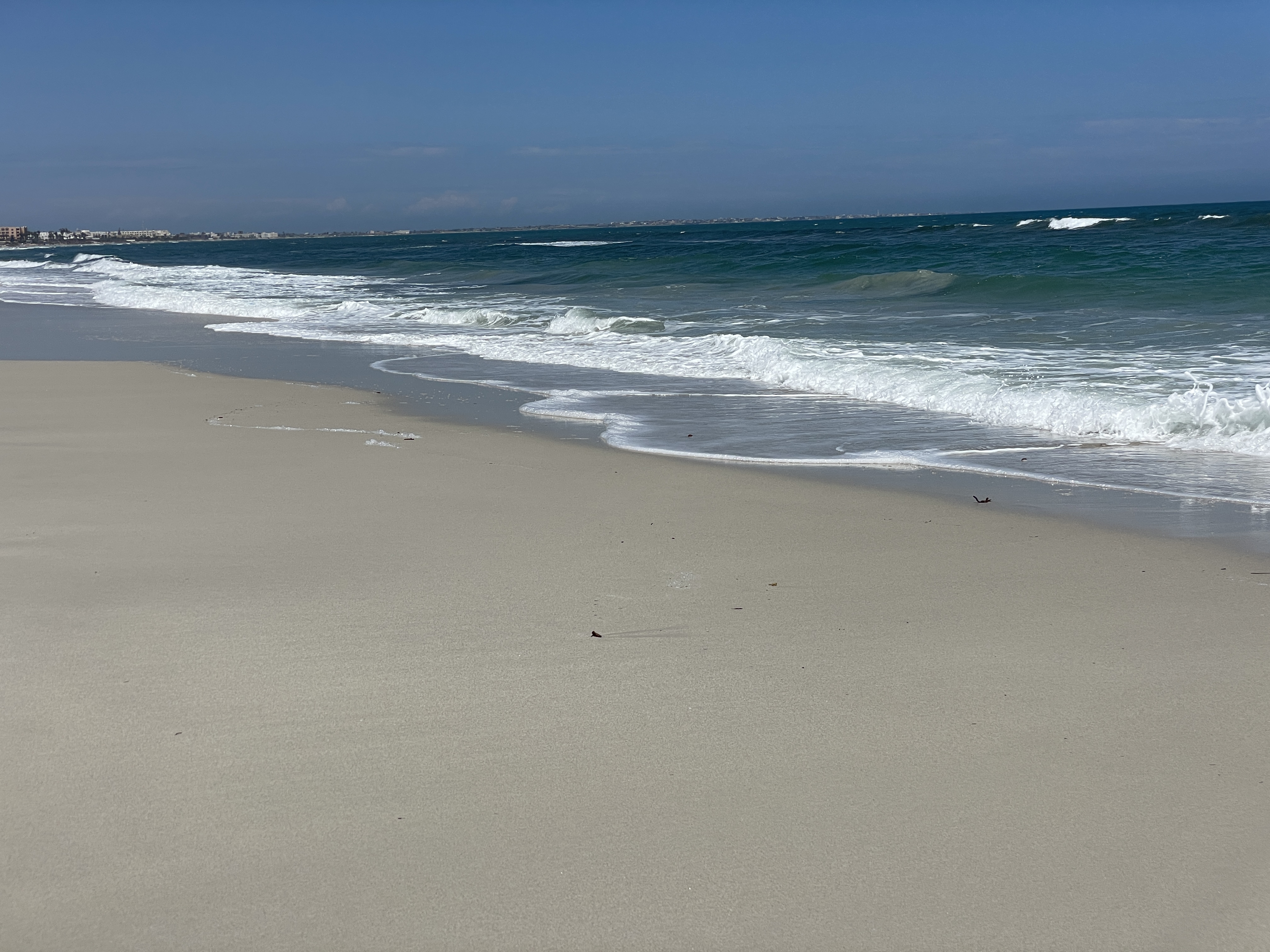
Rachel and I are constantly striving to live our best lives, and we’re feeling pretty good about things. Our daily routine begins early with yoga and meditation for me and high-intensity interval training (HIT) for Rach, followed by a bracing morning swim in the sea. But it’s not just about exercise and fitness for us; we take the time to appreciate the beauty around us during our daily beach walks. We feel truly blessed to be able to experience it all together.

Cabs can be a bit hit and miss here, so we decided to walk into town and take the tram in to Monastir. It’s about an hour and fifteen minutes north and carves through the parched ochre landscape, with nothing but those fantastic old olive trees, guiding the way. Upon arrival it should have been a short walk through the Medina to get to the Ribat, but due to a map-reading error on my part, we got off a couple of stops early and ended up taking a cab anyway.

We arrived at the impressive fortress built in the late 8th century, one of several scattered across the top of Africa, this one was used to accommodate fighters and religious students and serve as early warning systems from Morocco to Egypt, for would-be invader’s. Although we had seen a couple of impressive Ribat’s in Morocco, this one was particularly awe-inspiring. It’s situated right next to a stunning beach, an expansive cemetery, and it looks like a big sandcastle! As you enter, you find yourself in an open area that leads off to upper levels with what we assume were religious dwellings and a prayer rooms. You can also walk along the fortress walls, which provide fantastic views all around. Finally, there’s a watchtower and at the top of 100 very narrow steps up to the crow’s nest.

“The Life of Brian” was also shot between this fortress and the amphitheater at El Jem, which interestingly it’s still banned in certain countries around the world.

Heading south to Mahdia

We have really enjoyed our time in Carthage and the boundless hospitality of our lovely host Hedia. However, it is time to move on and see what else Tunisia has to offer.

Our comfortable car arrived late Saturday morning for what was to be a 220km journey south. The main highway runs through the middle of the country, unfortunately not along the coastline but through endless olive groves. The older trees look like twisted, gnarled statues, neatly lined up like sentinels. About three hours later, we arrived in Mahdia, which is located on the most easterly peninsula of Tunisia. The crescent bay stretches some 240km up to Kelibia at the top, with a sandy coastline from one end to the other. From our terrace, we have an unobstructed view across the entire panorama, which is simply incredible.
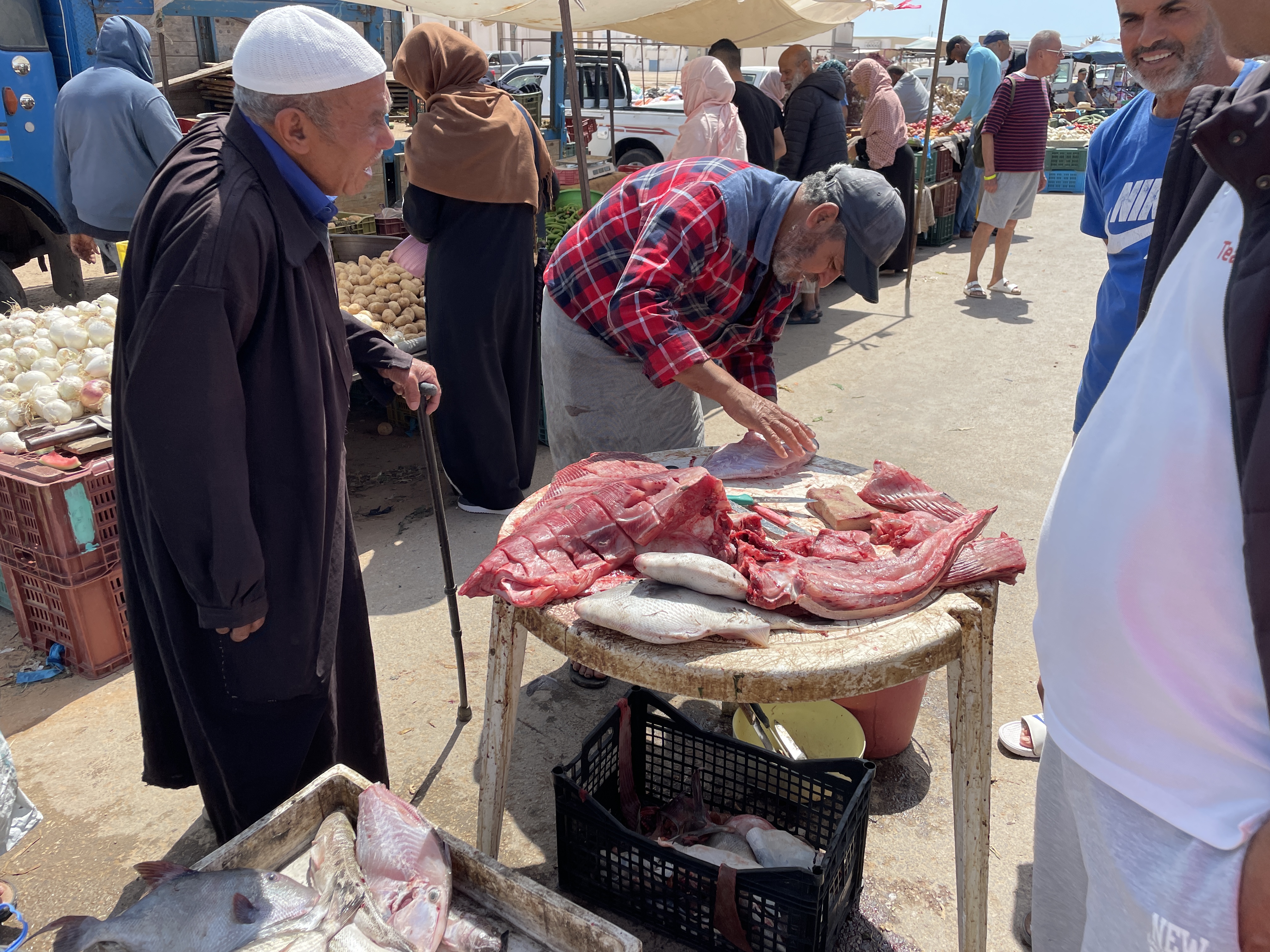
After the holiday weekend (we arrived in the middle of the festival of Eid – post Ramadan), our host was kind enough to take us to the farmers’ and fish markets. Mahdia is known for its fish and both markets are about a 20-minute walk into town.
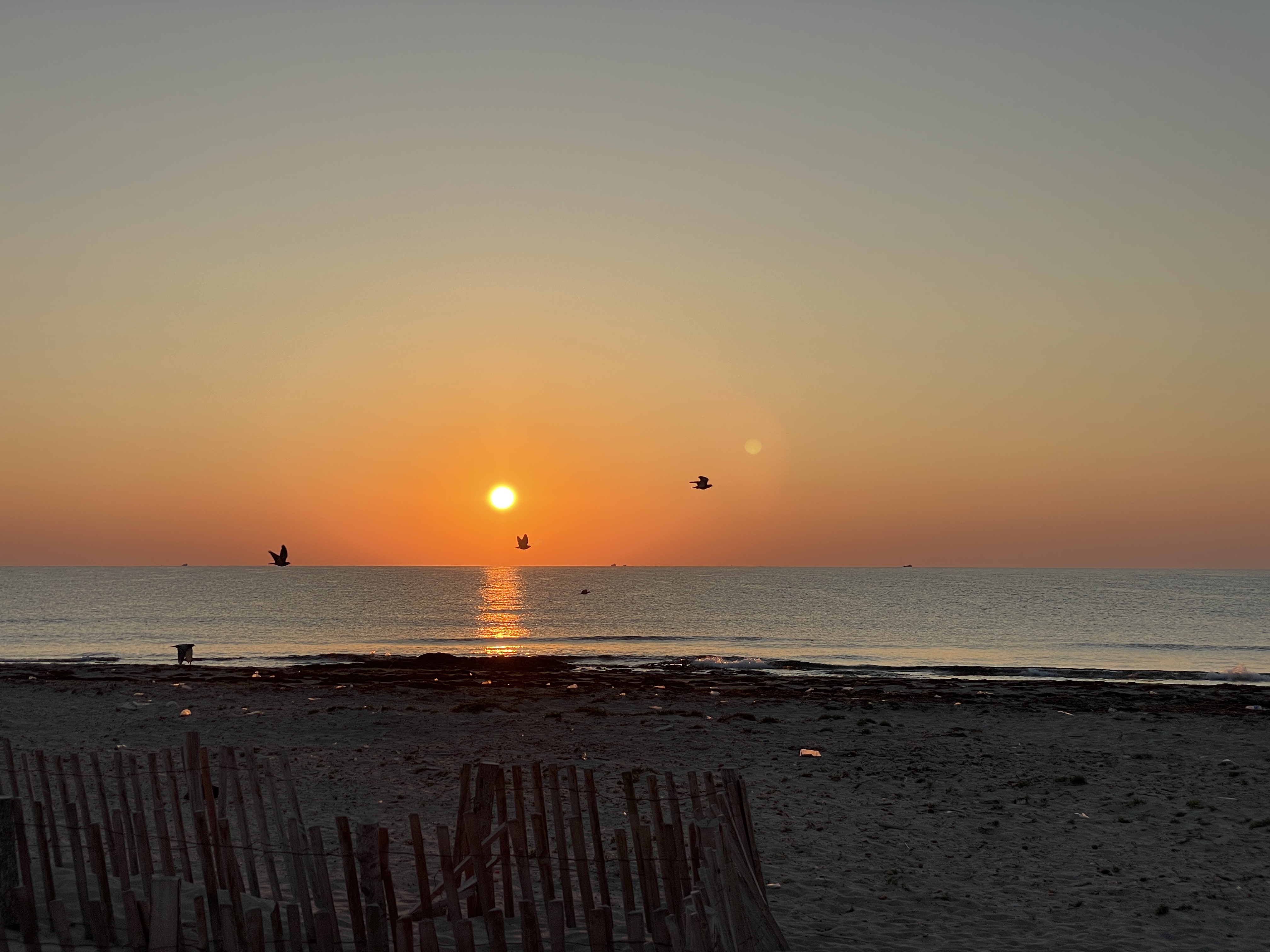
We have finally made it back into the water, and although it is still pretty cold at first, we soon warm up. The beach is just a 10-metre walk from our apartment and taking a long walk along the beach is the perfect way to start each day. We have not yet had a chance to fully explore the town, but from what we have seen so far, it looks like it is bursting with character.

The apartment and sun terrace in Mahdia

The Antonine baths & old Tunis

We completed a tour of our final ancient ruin here in Carthage and wandered the medina and quieter streets of old Tunis, this week.

Our first stop was the Antonine baths, an interesting display of Roman architecture that was built between 145 and 162 A.D. It’s always thought provoking to see how advanced the technology was back then and the basement gave us an insight into the installation that would have run the baths. We continue to be amazed by the ingenuity of these folks.

After the visit to the Antonine baths, we decided to explore the old town of Tunis. We took a taxi directly to Parliament Square and were struck by the tranquil atmosphere, which was enhanced by the fact that the area was pedestrianised. We made our way through the backstreets to Tourbet el Bey, a Tunisian royal mausoleum that was opened in 1777. It was the last resting place of most of the Husainid dynasty rulers of Tunisia, and we were fascinated by the fact that the tombs pre-1921 were marked with a turban, as a headstone and post-1921 with a fez. The mausoleum was bigger than we had expected and had several chambers, which added to the intrigue.

From there, we ventured into the medina, a bustling market filled with artisans creating and selling their wears. It was a friendly place split between the traditional craftsmen and the modern-day stalls selling cheap products that the younger people seemed to be more interested in.

The ornate doors were a standout feature, with imaginative good luck designs, and it was interesting to learn that most of the doors had two or three door knockers, which denoted how many wives the master of the house had.

The picturesque Sidi Bou Said

Sidi Bou Said has been around since the early 12th century when it began as a religious settlement. However, it didn’t become the bohemian paradise it is today until the Husainid dynasty arrived in the early 18th century, bringing and attracting the finest musicians and writers of the time. This laid the foundation for Sidi to be recognized as an international haunt for artists, more about that later.

Sidi Bou Said, like Byrsa, is set high up overlooking the Gulf of Tunis, which means you have to climb through the town to reach the main attraction, the “Palace Dar Nejma Ezzahra”. You enter through a set of large yellow arched doors decorated with typical Tunisian designs. From there, you wander under the shade of cypress trees laced with vibrant bougainvillea and catch glimpses of the sea before reaching a sprawling ranch-style building whitewashed with blue shutters, doors, and accents (all the buildings throughout the old town follow this theme).

The building was commissioned by Baron d’Erlanger, a wealthy French musicologist/artist who spent time there with his wife and son, working hard to cement Sidi’s status as a favorite haunt for international artists.

Upon entering the palace, you’re immediately drawn to the incredibly ornate carved ceilings fashioned by local Tunisian artists using locally sourced materials. There are quite a few themes running throughout, but it all seems to work. The palace also features a musical instrument museum showcasing both African and other instruments, which was impressive by today’s standards, but must have been incredible at the time. It was a really chilled place and very relaxing to mooch about.

After exploring the palace, we wound our way down through the beautiful little town which bares a striking resemblance to Santorini, before making our way down to the marina to sit and stare out across the Gulf, and watch the young sailors learning how to master their Opi’s (Optimus)….remembering when Seb and Christien first learnt to sail.

Carthage the archeological district of Tunisia

Welcome to Carthage, the archeological district of Tunisia. Although the Romans destroyed Carthage, it remains one of the most fascinating places to visit in Tunisia. After taking a short walk to Byrsa Hill through some lovely streets, we were treated to amazing views. As we walked around the ancient site, which was built during Hannibal’s time, we couldn’t help but use our imagination to envision what life was like. The Byrsa Quarter, built during the 2nd century, was burned to the ground in 146 BC. Fortunately, a layer of rubble prevented the quarter from being completely razed, allowing us a glimpse of what the quarter might have looked like. The backdrop to the site was just as impressive, with the Acropolium or St Louis Cathedral standing tall on top of the ruins of the temple of Eshmun, the Punic god of healing. The site was a recognized ecclesiastical house of worship until the early 90s and now plays host to classical concerts, etc. Despite dodging a few rain showers, it was an interesting way to spend a Sunday. On Saturday, we decided to explore Tunis by taking a tram into the city. However, the hustle and bustle of the city proved to be a bit overwhelming for us, and we soon realized that we weren’t in the mood for the crowds. We finally went to explore what fills our windows, the Îlot de l’Amirauté, the center of the port. This area housed the warships that terrorized would-be marauders and frustrated Rome during a century of Punic wars. It was interesting to see how such a small port played such a significant role in the history of Carthage.

We’re in Carthage, Tunisia

We traveled to Heathrow for a late afternoon flight with the help of our neighbor, Gerry, who kindly offered to drive us since he was heading in to West London to visit family.

Our flight from T4 departed an hour and a half later than scheduled, resulting in us arriving at our destination around 10 pm. After a slight delay at customs, where Rachel had to explain why she was carrying dumbbells in her carry-on, something she always does, we took a cab to our accommodation at L’abri Côtier (The Coastal Shelter). Although it was a bit challenging to locate the place, we eventually found it, and our host, Hedia, gave us a tour before we retired for the night. As expected, travel days can be exhausting, so we both slept in the next day. After we got ready, Hedia kindly showed us where the supermarket and vegetable stall were, and we stocked up before returning to the apartment for a late breakfast.

The apartment is modern, well-designed, and has everything we need. It’s situated in a prime location right on the banks of the ancient “Punic” Port. Unfortunately, not much remained after the Romans destroyed most of the Punic buildings in 146 BC following a century of fighting against them. The port isn’t very large, but apparently, it was once home to 200 warships. Nowadays, it is home to small fishing boats, about a dozen at most.

During our early morning walks, we were able to watch many of them return to the port and repair their nets before exploring the surrounding streets and admiring some impressive trees and homes. It’s a peaceful place during the day with warm and friendly locals who’ve been very welcoming.

Carthage, Tunisia

Cambridge, the British weather & the Ouse burst its banks

It’s been a while since I’ve caught up on the blog, but it’s good to get back on it. It’s been quite a rollercoaster of weather here in the UK lately – one moment we’re basking in sunshine and the next we’re bracing ourselves for some biblical event. But that hasn’t stopped us from enjoying our time here….armed of course with the right clothing.

Last week, we took a trip to Cambridge with Jon and Jo. Despite the chill in the air, we had a blast wandering around the city, taking in some of the sights and sounds. We stopped off for a delicious, healthy lunch before making our way to the Fitz William Museum, which amongst other artefacts houses Monet’s “Le Printemps” one of my favourite pieces of art!After the museum, we stumbled upon a charming little tea shop overlooking a green space, where we warmed up, drank unusual teas and listened to some good tunes. It was the perfect end to a lovely day. We stopped into see Rachel’s mum, before heading back home.

Of course, the weather hasn’t always been on our side – we’ve had a few days of restricted walks thanks to the River Ouse bursting its banks. But that just put a different spin on the landscape on our early morning walks….we’ve had quite a few.

We’re getting ready for our next adventure and had to make a trip down South to swap out our winter gear for spring and summer clothes, and had the chance to catch up with some old friends along the way. We even got to give Christien a quick hug before he headed off on a ski trip.

All in all, life is good and we’re grateful for every moment we get to spend with the people we love. And speaking of which, we recently had dinner with Rachel and Keith – always a riot! I’ll update you all on where we’re off to next.