Durmitor National Park & The Tara Canyon

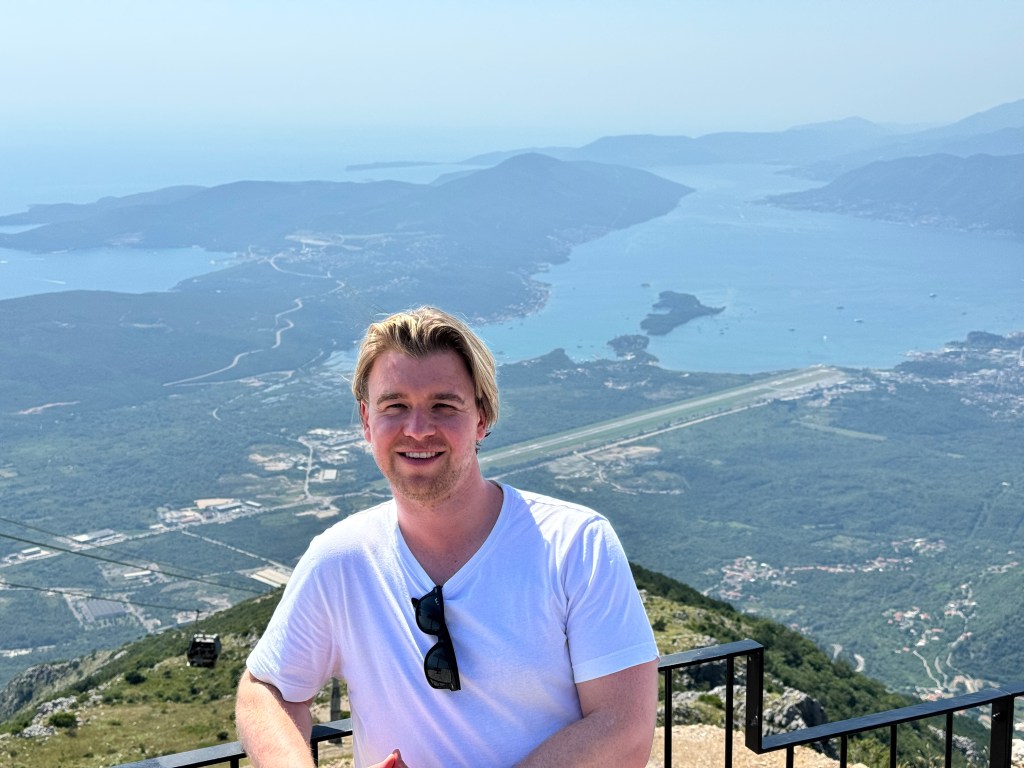
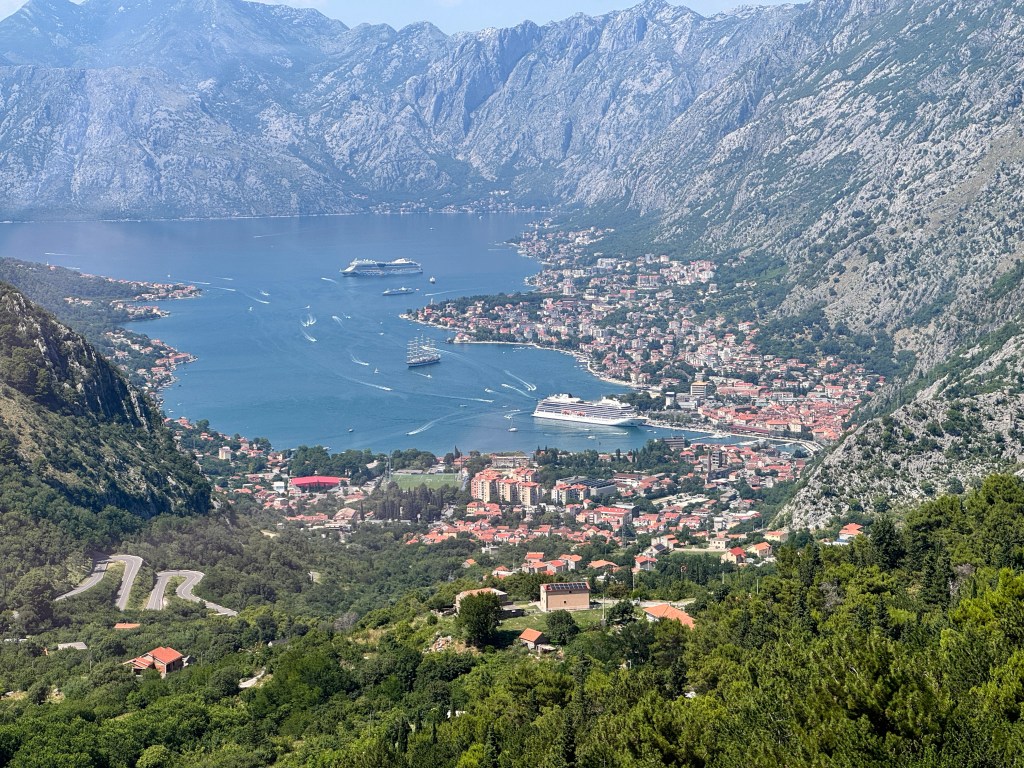
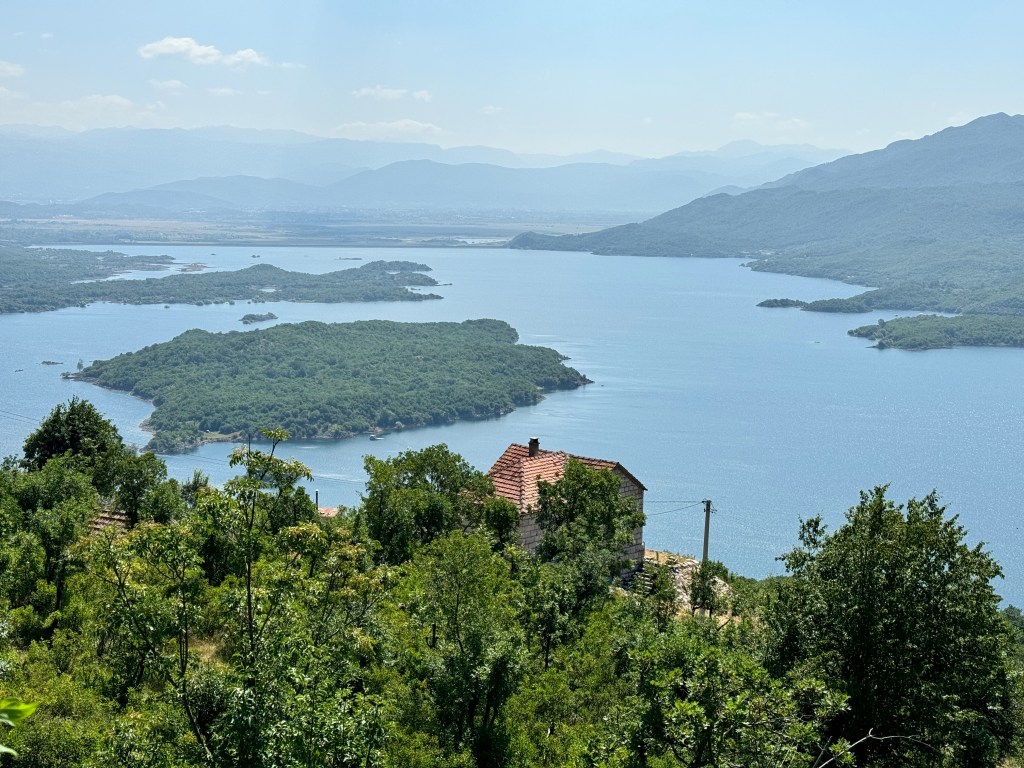
We left the apartment around 8:30 am, and by 9:00 am, we had safely boarded the car onto the ferry for a quick hop across to the other side of the bay. This route saved us from an otherwise near-impossible drive through Kotor, which would have taken about an hour and a half to navigate. Once across the water, we headed north. A short drive later, we began ascending the twisting mountain roads, traversing the first set of mountains that surround the Bay of Kotor, also known as Boka. There were some great views, stretching out across the bay with small uninhabited islands visible on a side of the bay we hadn’t seen before.

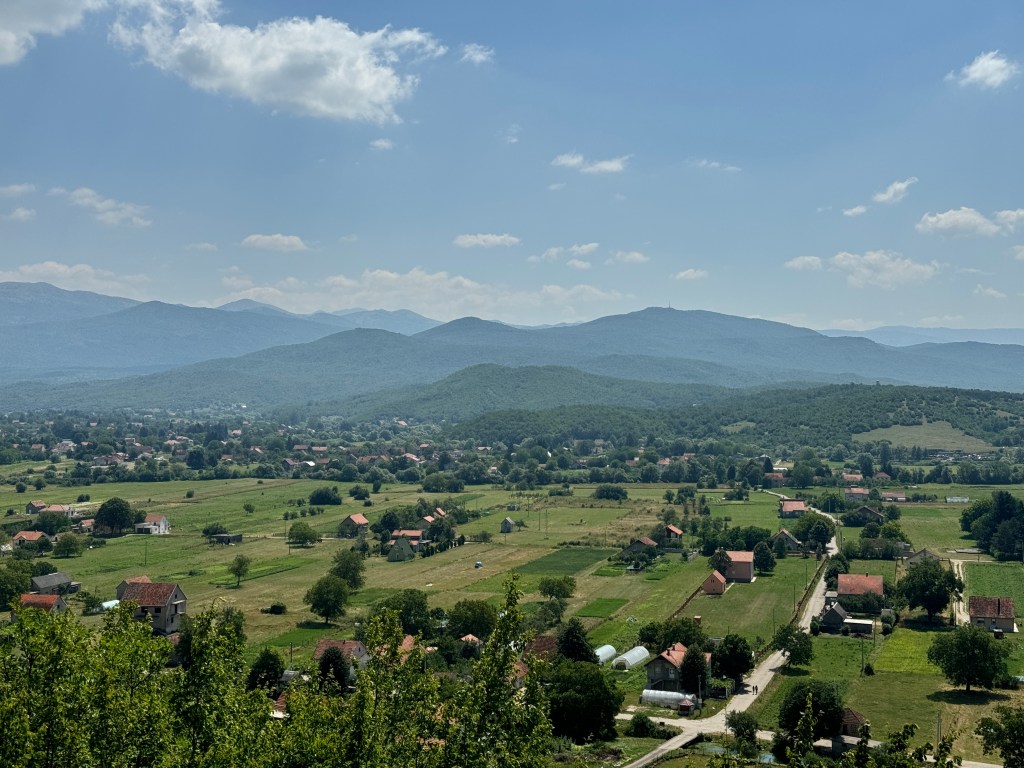
About two hours into the drive, with the Adriatic Sea a distant memory to our west, we moved further inland through one valley after another. The architecture of the houses changed too, adopting a mountain chalet style that one might expect much further north. It’s hard to believe, but the Dinaric Alps, rising to just above 2000 meters, hosts around 11 ski resorts. Unfortunately, as we discovered later, it hasn’t snowed up here for a few years, posing challenges for the local community, although the area remains popular with hikers.

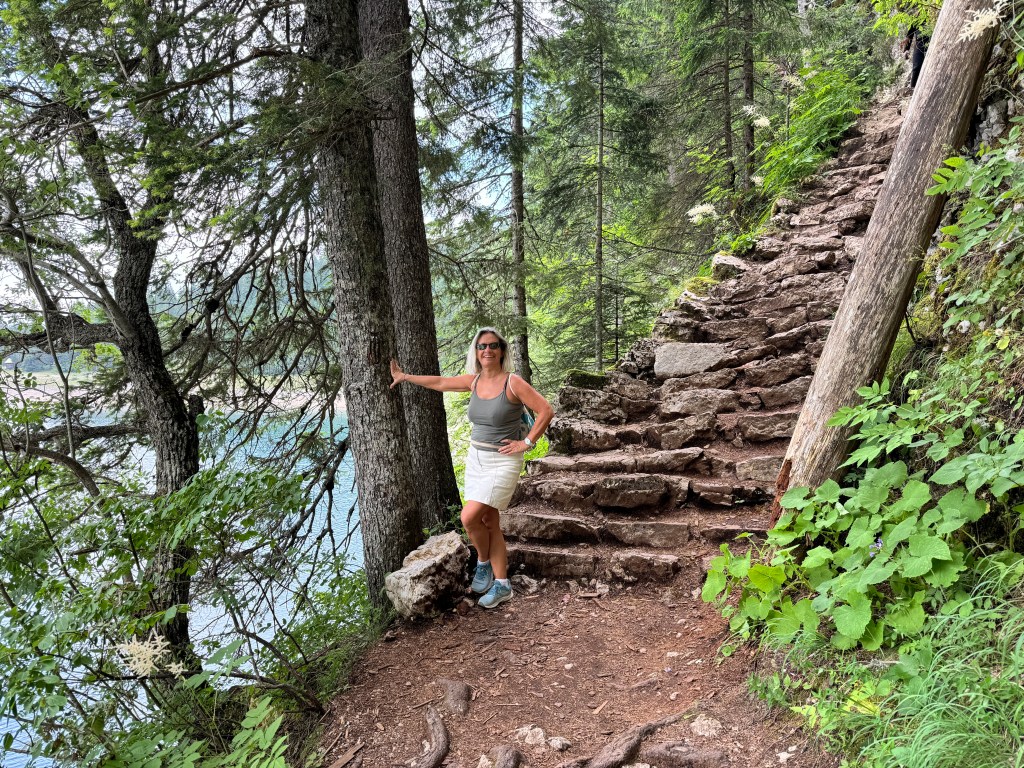
We arrived at Durmitor National Park, a UNESCO Site, just after midday. After parking, we had a short amble through the forest to the renowned Black Lake, which was quite a sight to behold. Interestingly, there are two lakes there—the main lake and a smaller one behind it. Our plan was to hike around both lakes, and opting for a more adventurous route off the beaten track added an extra hour to our journey. The cloud cover which kept the temperature comfortably in the mid-twenties, added to our enjoyment.

After a late lunch, we jumped back into the car and ventured deeper into the park to see Europe’s deepest gorge, the Tara Canyon, which also ranks as the 9th deepest canyon in the world. We were advised that the best viewpoint was from a parking area where we could walk along a nearby bridge. It was truly worth the effort, and experiencing the canyon was a fantastic way to cap off our day.

Staying longer than we’d planned, we risked some night driving to make it out of the mountains and back to the ferry whilst it was still light, but arrived at around 8:30 pm just as the sun disappeared. We were pretty exhausted from the long drive, but both of us were smiling after a long, but unforgettable day.

The Lipa cave & Skadar Lake National Park

With the thermometer firmly stuck in the high 30s, we decided to seek out somewhere cooler to spend the rest of the weekend and settled on the Lipa Cave in Cetinje. We set off around 9 ish and arrived just after 10:30 am. After securing our modestly priced tickets, we made our way to the tractor and carriages that would take us down the side of the mountain to the mouth of the cave.

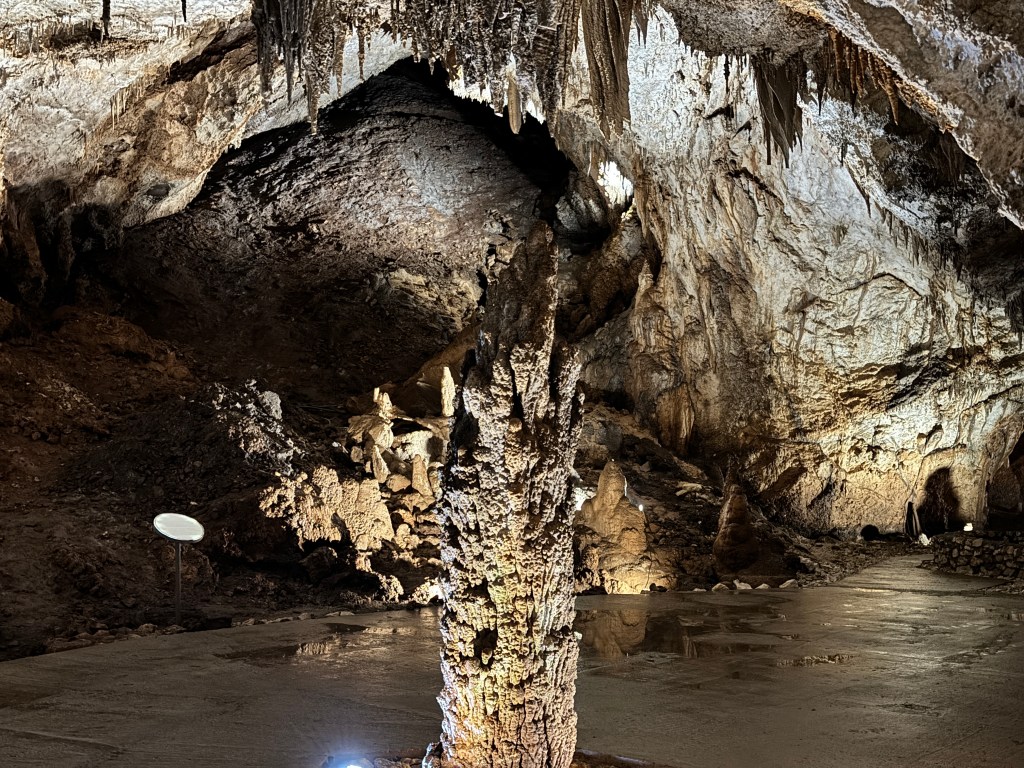
We had been advised to bring sturdy shoes and a jacket, which given how hot is was, I was extremely skeptical about until I stood at the entrance of the cave. Standing there felt like standing in front of an open freezer door. So, after putting on my gilet and wishing I had worn full sleeves, we began our descent into the cave. Our tour was led by a young biologist who was both knowledgeable and engaging. As we wandered around, it felt like we were exploring another planet, with stalagmites and stalactites. In some places, we could see where the two formations had met over thousands of years, forming columns that resembled melted candles. The whole experience was very interesting.

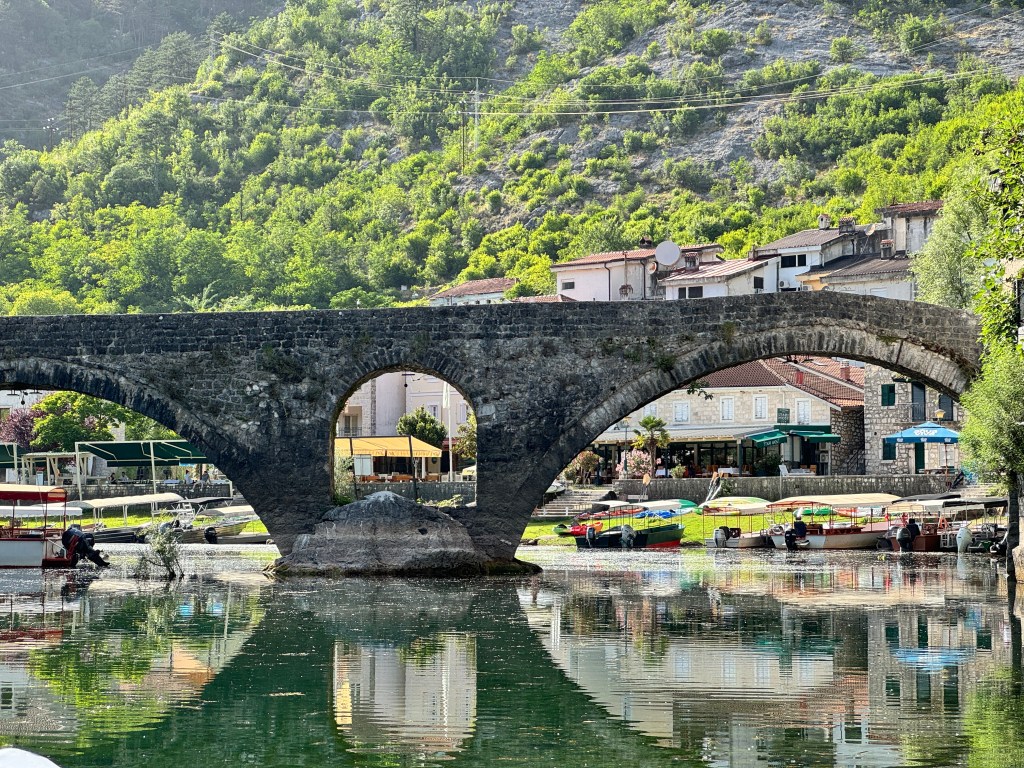
We left the cave around lunchtime and decided to stop not far from there at a recommended restaurant with good food and views across the valley below, with Lake Skadar visible in the distance. After our lazy lunch, we’d decided to take a look at Rijeka Crnojevica and its stone bridge, which marks the entrance to what was once the biggest port in Montenegro during the 19th and 20th centuries. If I’m honest, I wasn’t all that impressed, but while we were there, Rachel talked me into hiring a boat and captain to take us into Skadar Lake National Park, a bird sanctuary that extends into Lake Skadar. This lake is the largest in Southern Europe, with a shared border with Albania running right through its middle.

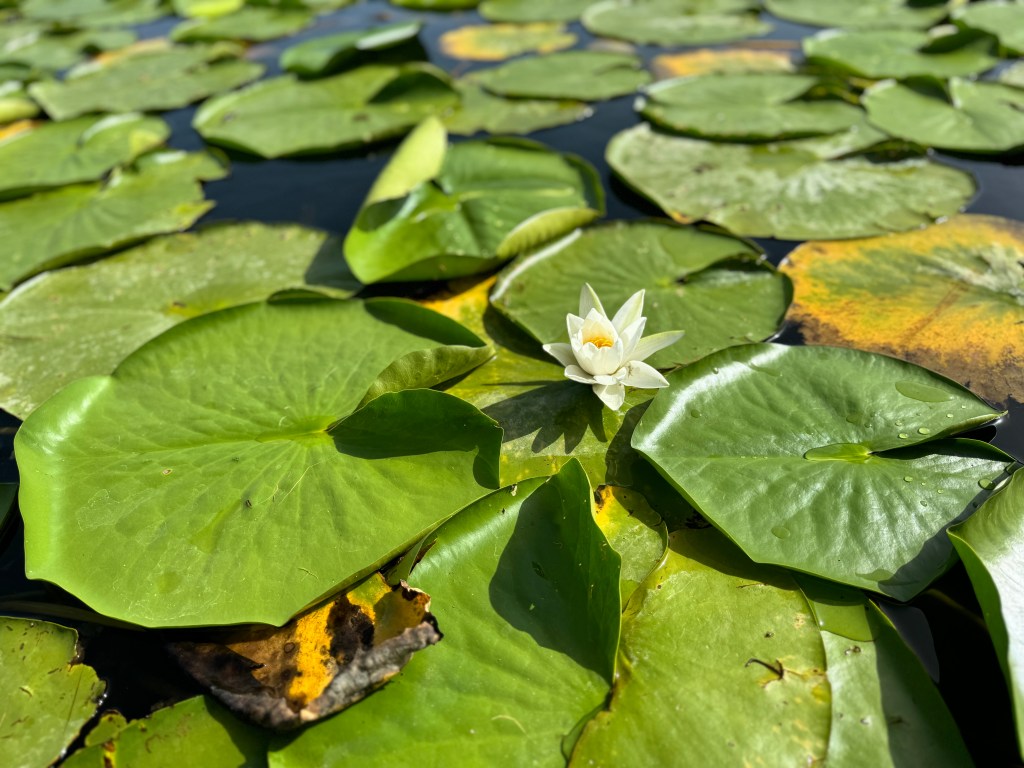
The flat-bottomed boat navigated seamlessly through the lily beds and tall grasses without damaging the environment or disturbing the numerous species of birds. Against a backdrop of small, but dramatic mountains, an hour and a half later, we were back at the bridge, truly glad that we had taken the trip. It was the perfect way to end the day.

A boat trip

Old Town Budva and two Sveti Stefan’s

The car rental company dropped off the car on Saturday morning, and off we went. Montenegro sits on the west-central side of the Balkans and on the coastline neighbors Croatia to the north and Albania to the south. Although it is a relatively new country, it has a rich history with plenty to see.

We were heading to Budva old town, about an hour from Tivat. It’s been in the high 30s for about a week now, and today was no different — scorching hot. Undeterred, we parked the car and navigated through a few alleyways into the walled city of Budva. It wasn’t unlike other walled cities we’ve seen on our travels, but it was impressive regardless.

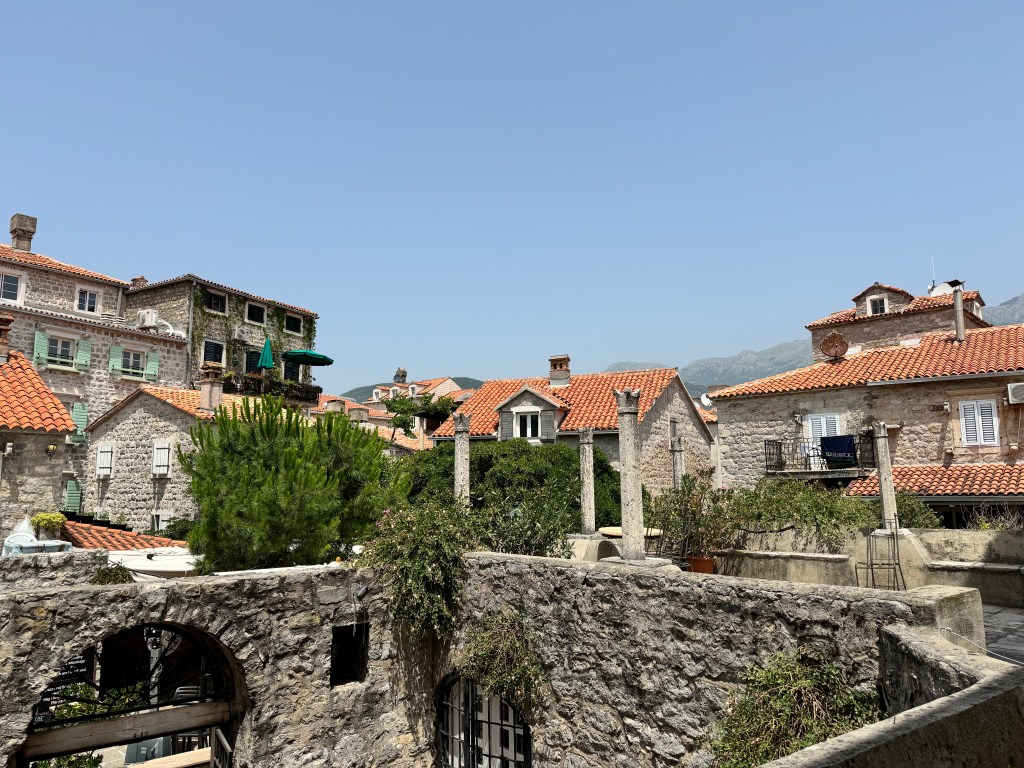
Budva is over 2500 years old with a colorful history. It’s been subject to earthquakes and attacked and oppressed by all Mediterranean warring nations. Despite the hardships of its past, it boasts a colorful array of architectural styles. We spent the morning wandering around the old town, taking in the Citadel overlooking both the good and the bad of Budva. We would have walked around the high walls, but it was just too hot. We did enjoy spending time in the air-conditioned museum, which, although small, housed some interesting artifacts.

Afterward, it was time for lunch at a restaurant just outside the city walls, overlooking a small marina. It was cool sitting under the vine canopy enjoying good food. After a long, lazy lunch, we headed further along the coast to take a look at the famed, but now closed, world-renowned resort on the island of Sveti Stefan (there is an ongoing dispute between the hotel owner and Budva). The beautiful stone houses were built some 500 years ago. We managed to get to the locked door leading to the island, and that is probably as close as we will ever come to staying there. Apparently, even as a guest, a lounger will still cost you 200€ a day to rent.

I love an acoustic guitar and an impressive facade

Breakfast & Dinner

With its stunning backdrop of steep, imposing mountains that plummet to a narrow inlet of the sparkling Adriatic Sea, Montenegro’s Bay of Kotor, which is about 30km long, is often called Europe’s southernmost fjord. However, the bay is in fact a drowned river canyon. The high mountains that bend around the coastline protect the bay from the open sea and from the cold climate of the north in winter. This also makes for some interesting swimming, as you go through a mix of warm and some pretty chilly patches of water, and if you’re lucky, you might be joined by a dolphin.

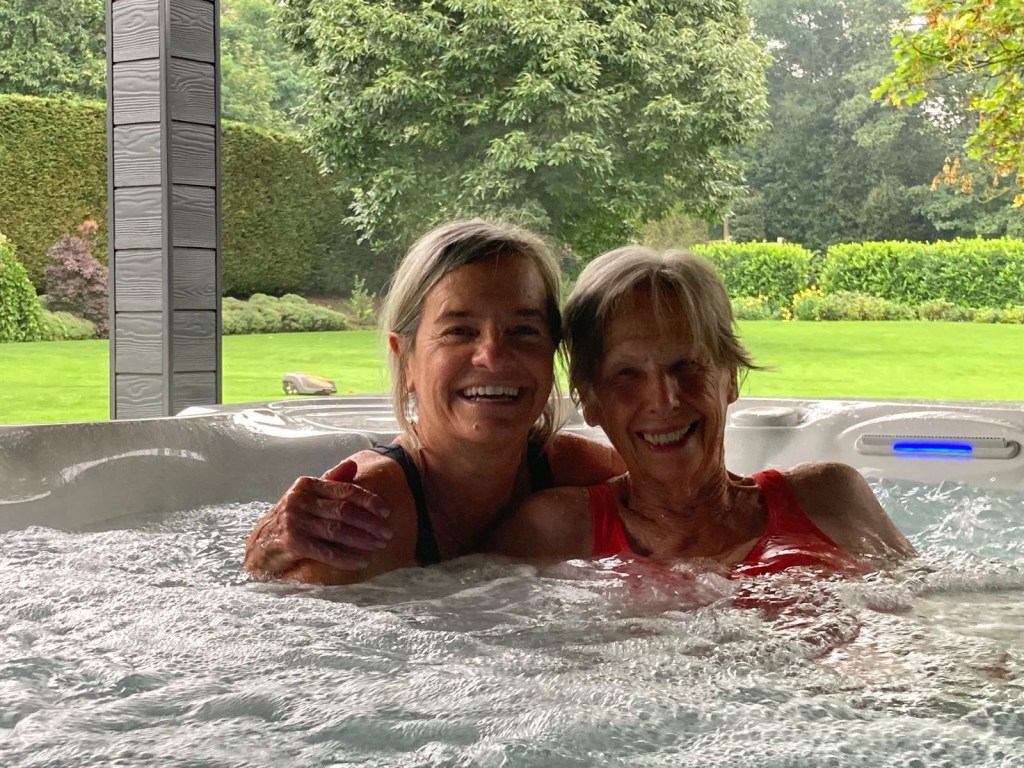
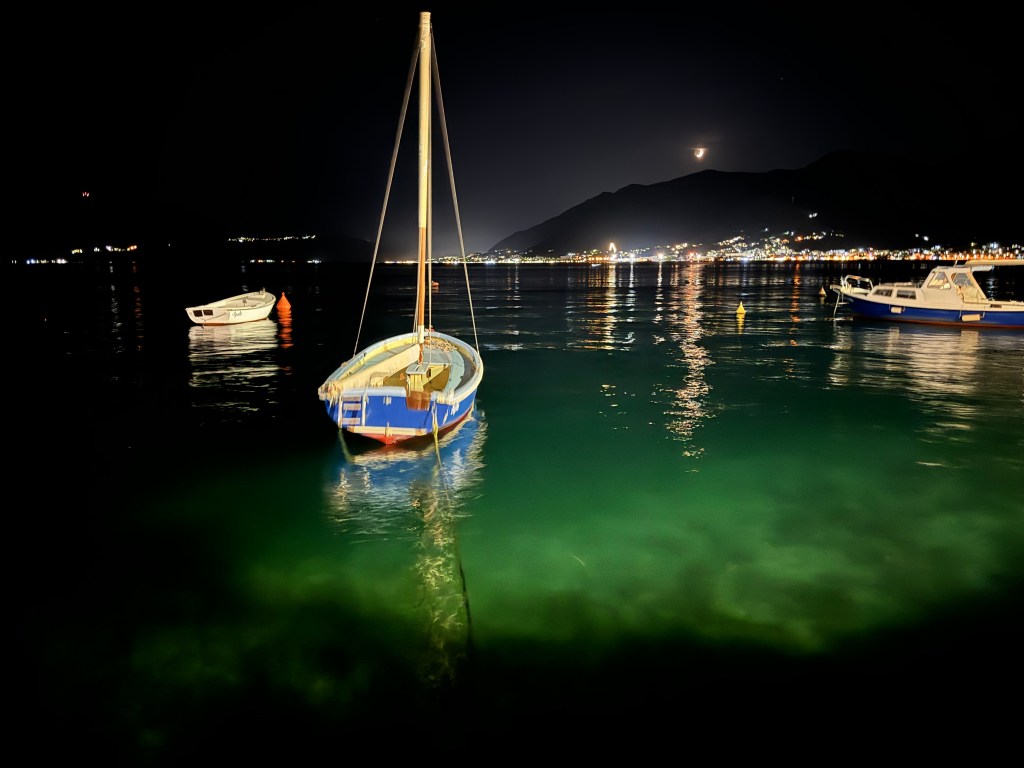
Mum is heading back to the UK after spending a couple of weeks with us. As we do most mornings, we walk along the water’s edge and watch as the small town comes to life. About a 5-minute walk from where we are staying, there is a restaurant with a seating area situated on the wharf under some grapevines. Mum and Rachel had been there on a few occasions for a glass of Rosé in the evening. But this morning, we decided to stop in for what turned out to be a great breakfast in a fantastic setting—a great way to send mum on her way.

After lounging around and chilling out on the beach during the day, I decided that we would take a walk down to the Port of Montenegro for dinner. We’ve walked through the port many times during the day, and it’s very impressive indeed. Aside from a few dinghies and some small day cruisers, it’s essentially a marina filled with some huge yachts, mainly Russian & Ukrainian, so I am told, with plenty of bling. We managed to secure an outdoor table at Al Posto Giusto, which sits on the corner of the marina boulevard. Aside from some good food, it was an excellent spot to watch the unashamed display of wealth, with its entourage as it paraded past, making for a very entertaining evening indeed.

People watching at Port of Montenegro

Exploring the Bay of Kotor and Beyond

We had booked a boat to take us around the bay and out into the Adriatic, eager to see some local landmarks. Wanting to make the most of the day, we arranged for a taxi to pick us up and take us to the dock in Kotor early in the morning. The afternoons were getting hot, and the bay and sea could get busy and choppy, so an early start was ideal. The boat we had chosen was both new and comfortable, with plenty of shade for Mum, ensuring she stayed comfortable throughout the journey.

Our first point of interest was the old town of Perast, which clung to the right side of the bay and was once a large Venetian shipyard. Our first stop was at Lady of the Rock, the second of the two islets in the bay (the first being St. George Island). This historic tiny island features a centuries-old monastery and cemetery, surrounded by tall, picturesque cypress trees. Unfortunately, the island is completely private, much to my secret relief. Instead, we pulled up alongside the small jetty at Lady of the Rock to explore the old church. The island itself is a man-made project undertaken by two brothers who sunk more than 150 old and confiscated ships filled with rocks to create it. While the church is still in use today, it has become more of a tourist attraction.

From there, we headed to the very top of the bay, about 20 kilometers from where we set off, to visit the fascinating submarine tunnels carved into the base of the mountain. Construction of these tunnels began in the 1950s, but a concerted effort by the Yugoslav navy in the 1970s saw the completion of three tunnels, with this being the largest. The tunnel was strategically used for surprise attacks, where small ships and submarines could stealthily approach the enemy. The tunnel itself spans 100 meters in length, but access beyond about 30 meters is barred by steel doors, as depicted in the picture below.

Exiting the Bay of Kotor, we entered the relatively calm waters of the Adriatic Sea and shortly arrived at Mamula Island. During the Yugoslav wars, this island served as a prison, but to the dismay of many Montenegrins, it has since been transformed into an exclusive and private resort. It is widely felt that Mamula Island should serve as a memorial to the thousands who were tortured and lost their lives there.

Our final stop of the day was at the Blue Cave, where Rach and Mum took the opportunity to swim through its crystal-clear waters. The cave’s unique lighting turns it into a natural aquarium, and while we’ve been fortunate to see a few such caves during our travels, it was Mum’s first experience, and she absolutely loved it.

Kotor Old Town

We exercised and swam early as usual, enjoying the peaceful start to the day. Beforehand, we discovered that there were no cruise ships in on Friday or Saturday at the moment, so we made our way to the blue-line bus stop which would take us into Kotor old town. There are two ways to get into town: you can either take a taxi back towards the airport which then cuts through the mountain via a 3km tunnel, taking about 15 minutes, or as we elected to do, opt for the 40 minute, white-knuckled bus ride along the scenic single-track coastal road. This route winds through little hamlets, offering stunning views across the bay. However, as we found out, the bus ride isn’t for the faint-hearted, as the bus asserts its dominance on the narrow road and takes no prisoners along the way, with everything on the road having to yield. We sat near the back and clung on to whatever we could.

The bus itself was fairly new and comfortably air-conditioned, which was quite welcome given the temperatures in the high 20s. Eventually, the bus slowed down and dropped us at the north entrance of the old city, which is surrounded by a moat and set against the backdrop of a mountain. Crossing the static bridge, we entered through the cobbled entrance and were greeted by wonderful walkways leading into plazas adorned with interesting buildings throughout.

Founded by the Romans in the 10th century and enhanced by the Venetians thereafter, Kotor also boasts a castle high above, cut into the cliff face. It can only be reached by foot via over 1100 steep steps. Mum was keen, but we decided against it, knowing even the locals don’t attempt the climb at this time of year. Instead, we walked around the top of the walls, exploring the higgledy-piggledy streets and taking in the sights of the 12th-century Cathedral of St. Tryphon, which houses a little museum that Mum really enjoyed.

Afterward, we stopped for lunch in one of the many charming restaurants before catching the bus back home.

Montenegro

Rach and I had decided that Montenegro was to be our next destination and invited Mum to join us, so with flights booked and Mum helping to choose where we’d be staying, deciding that she needed a complete new wardrobe, we were all set. With Dad not being much of a traveler, Mum had had her wings clipped, but before she met Dad, she’d traveled extensively by car with family through Europe. So she was super excited to be heading off with us, and after the strain of the last year, she needed a break and it would hopefully be a healthy distraction.

On the last day of May, Friday morning, we boarded the plane heading to Montenegro, and after about a 3-hour flight, we touched down safely in Tivat on what was an overcast and drizzly late morning. After eventually clearing customs (it’s the first time in a long time that I’ve been singled out, but apparently, they’d seen something suspicious through the scanner), we loaded the luggage into the taxi and set off. We stopped en route at an ATM and then to pick up a couple of SIM cards, something we always do when we’re outside of Europe.

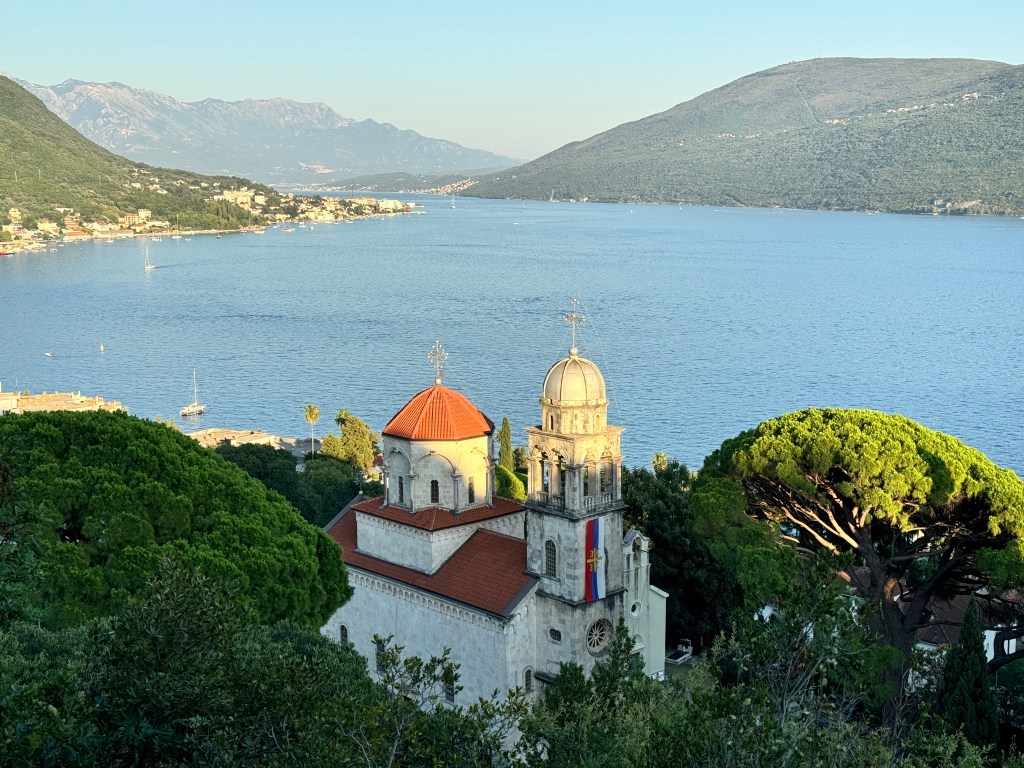
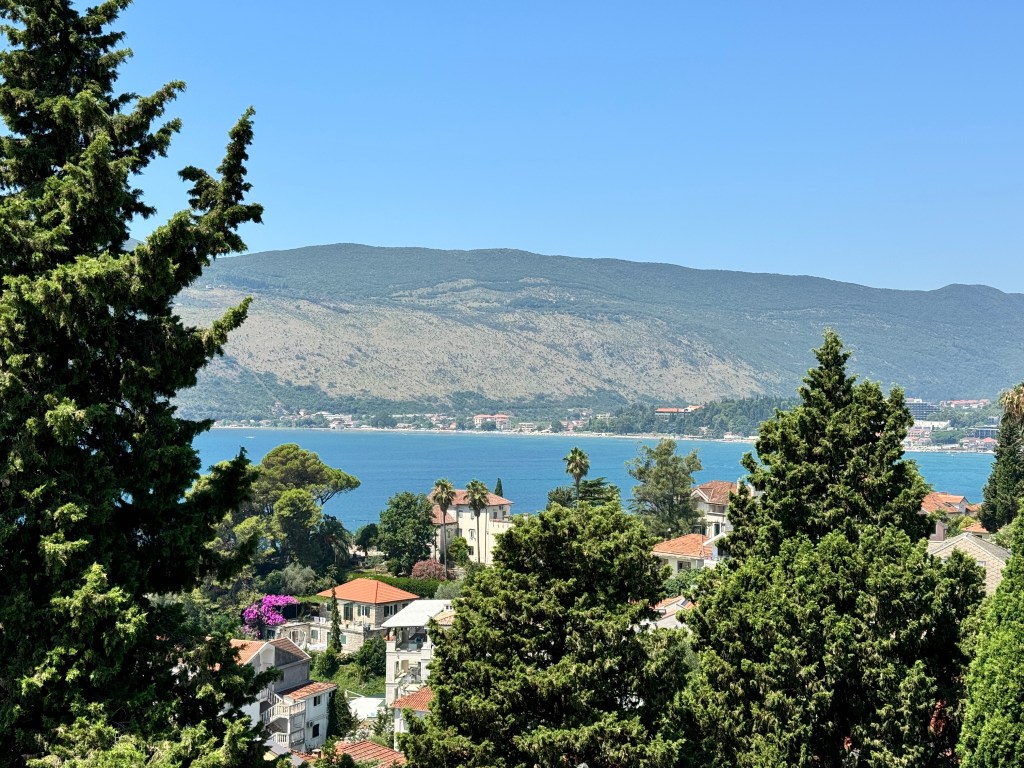
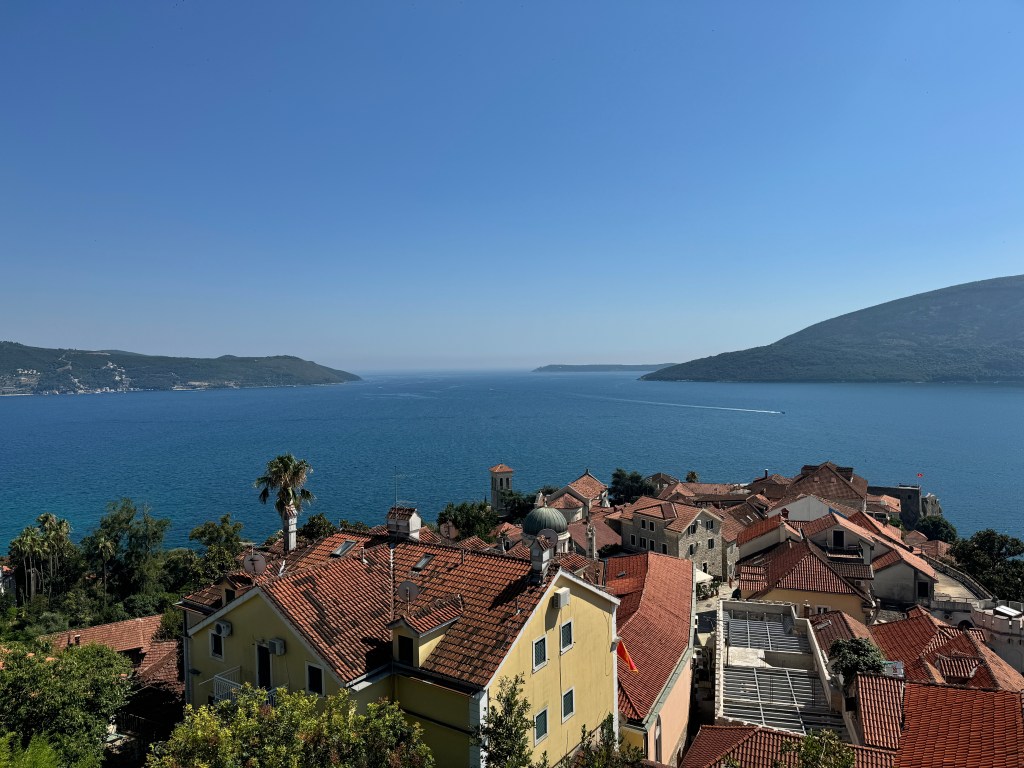
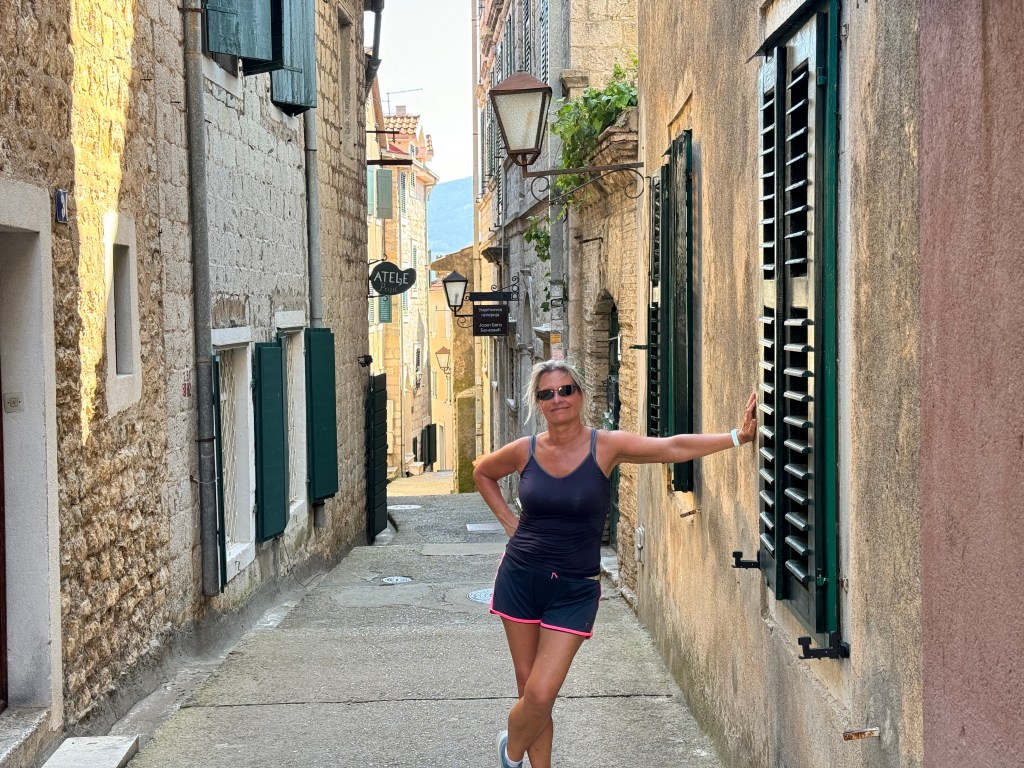
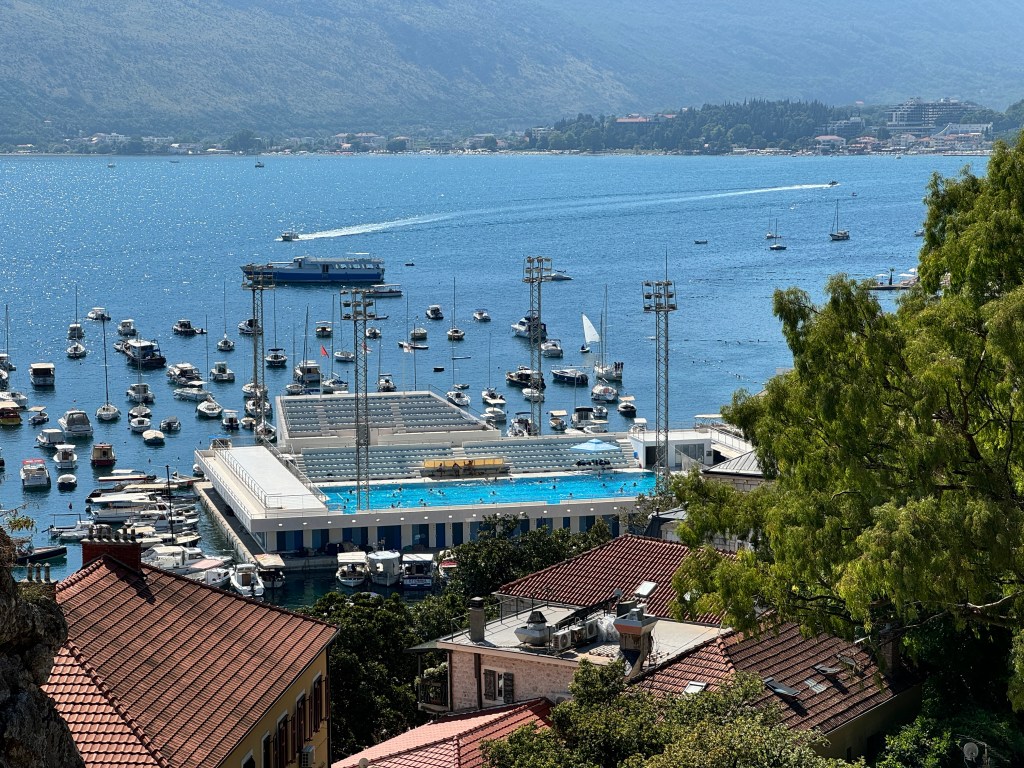
We arrived about 40 minutes later at our Airbnb in Donja Lastva, situated on the northeast side of the Bay of Kotor. The apartment we’d chosen wasn’t the largest we’ve stayed in, but the view across the bay and up into the mountains was simply stunning and more than made up for it. After a quick pit stop and with the rain abating, we headed off to explore and pick up some groceries. There’s a really nice quiet walk along the shoreline which takes you down into Port of Montenegro, which is a vibrant playground of the super-rich, but more on that later.

First thoughts on Montenegro are that it looks beautiful. We’re looking forward to exploring more and enjoying this new adventure together.

https://www.airbnb.com/slink/AnrL0ZLw

Donja Lastva, overlooking Tivat Bay

Dog sitting, some beautiful walks and the funeral

After getting Dad’s affairs in order and finally receiving the necessary paperwork from the shockingly inept GP practice and the slow-moving wheels of legal bureaucracy, we were finally able to arrange the date for the funeral and all the planning surrounding it. Rachel, who has been as fantastic as ever, pretty much coordinated the funeral with Mum. We had planned to spend the week together at Jon & Jo’s looking after Ossie, but Rach went alone, while I stayed with Mum, agreeing that Mum and I would join Rach at the weekend.

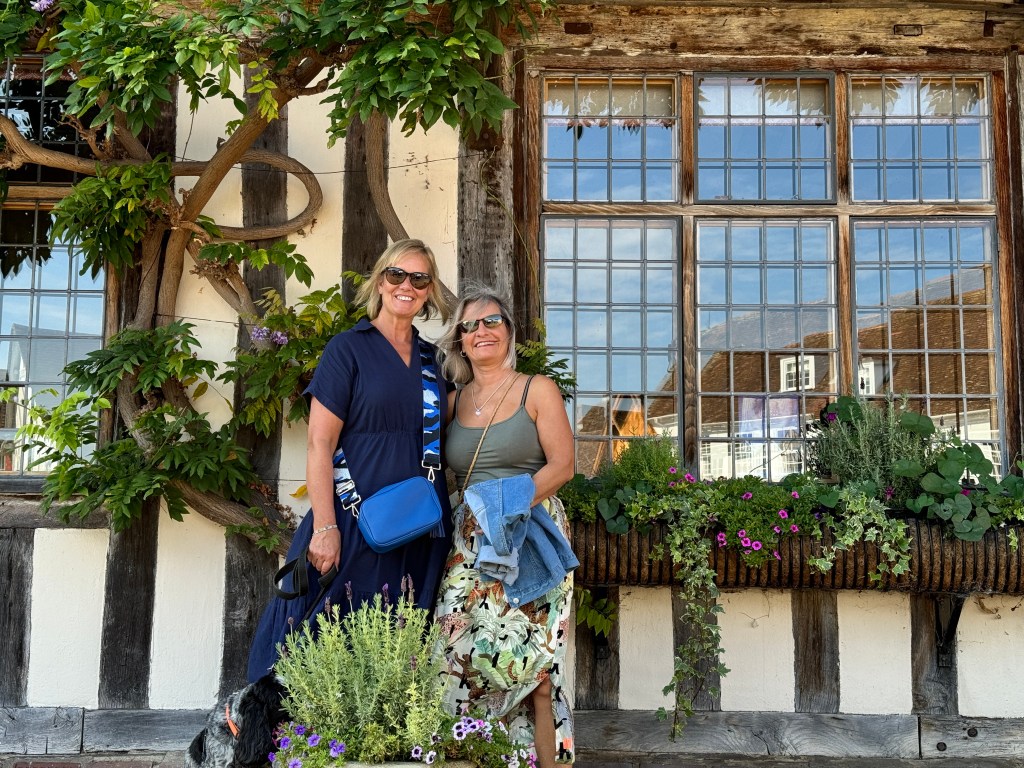
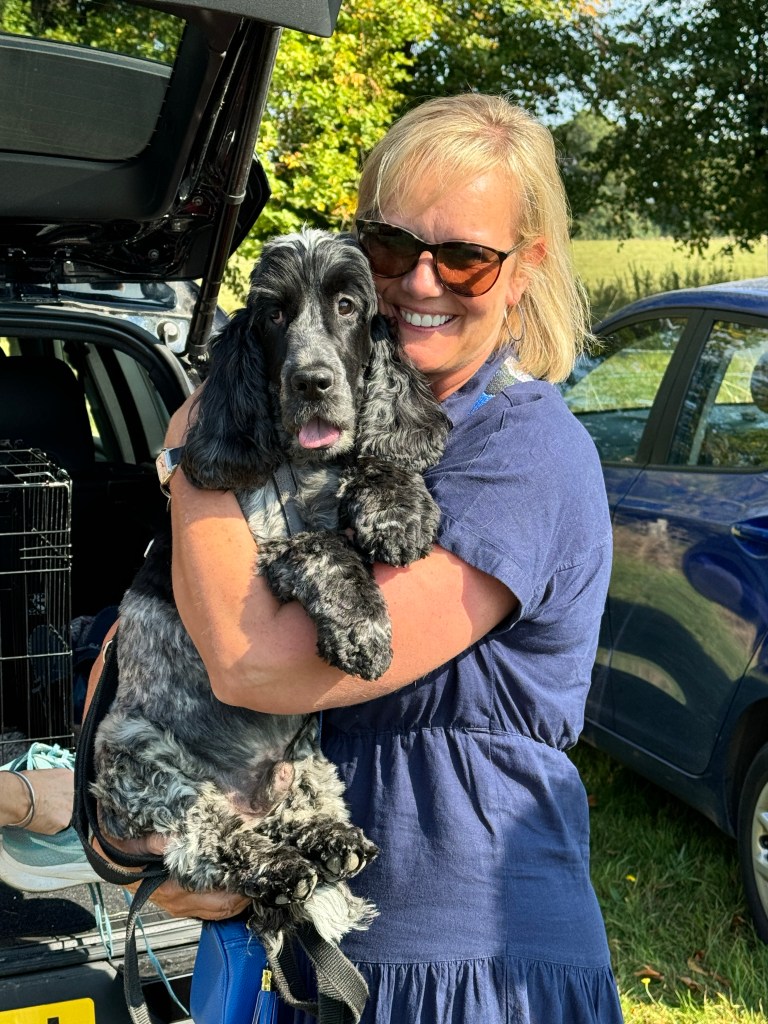
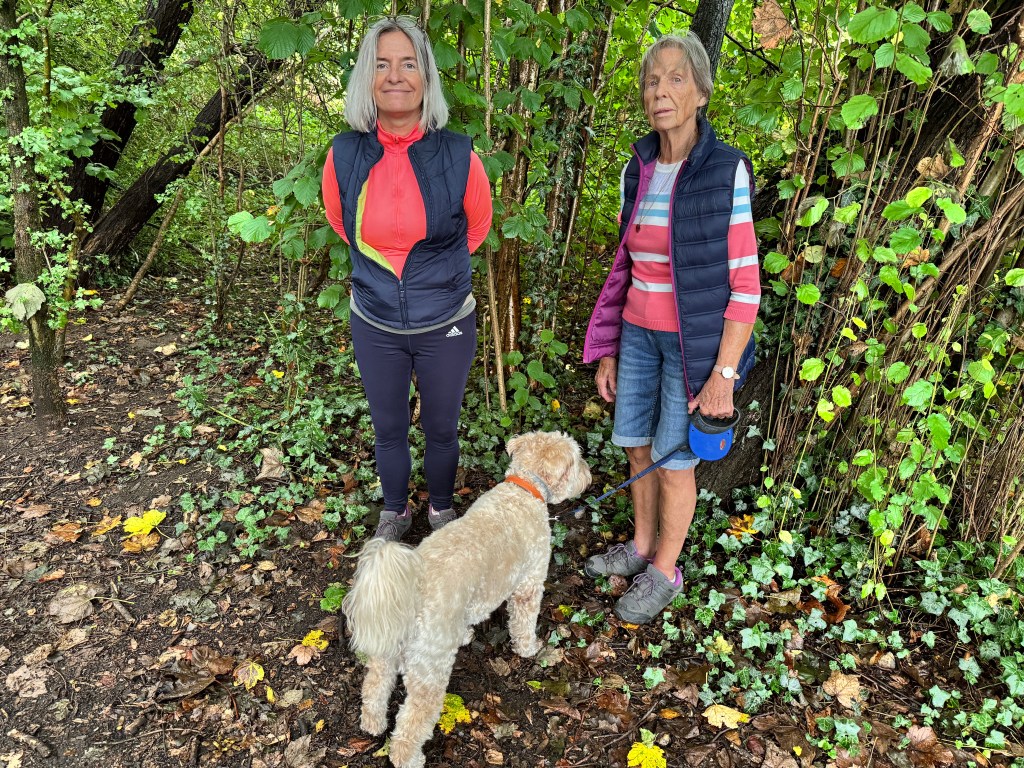
After a week of reminiscing and going through Dad’s things, which was actually nice, Mum and I headed to Braintree, arriving late afternoon on Friday. After Mum and Ossie had made their introductions, they got on famously. The following morning, we decided on the Flitch walk, about a 10km walk along a disused railway track, which is one of Ossie’s favorite walks. The rest of the afternoon was spent chatting in the garden.

Sunday’s marathon walk was around the discovery center, where we were blessed with some great weather as we made our way around before heading off for some retail therapy for Rachel and Mum. Although I did end up with a pair of sneakers for not complaining too much. We left Sunday evening after a great weekend, with Rach staying on until Tuesday. We’ve done a lot of walking since arriving, which has helped us all process our loss while reveling in the fantastic countryside around where Mum lives. It really is beautiful, and when the sun is shining, there are not too many other places I’d rather be.

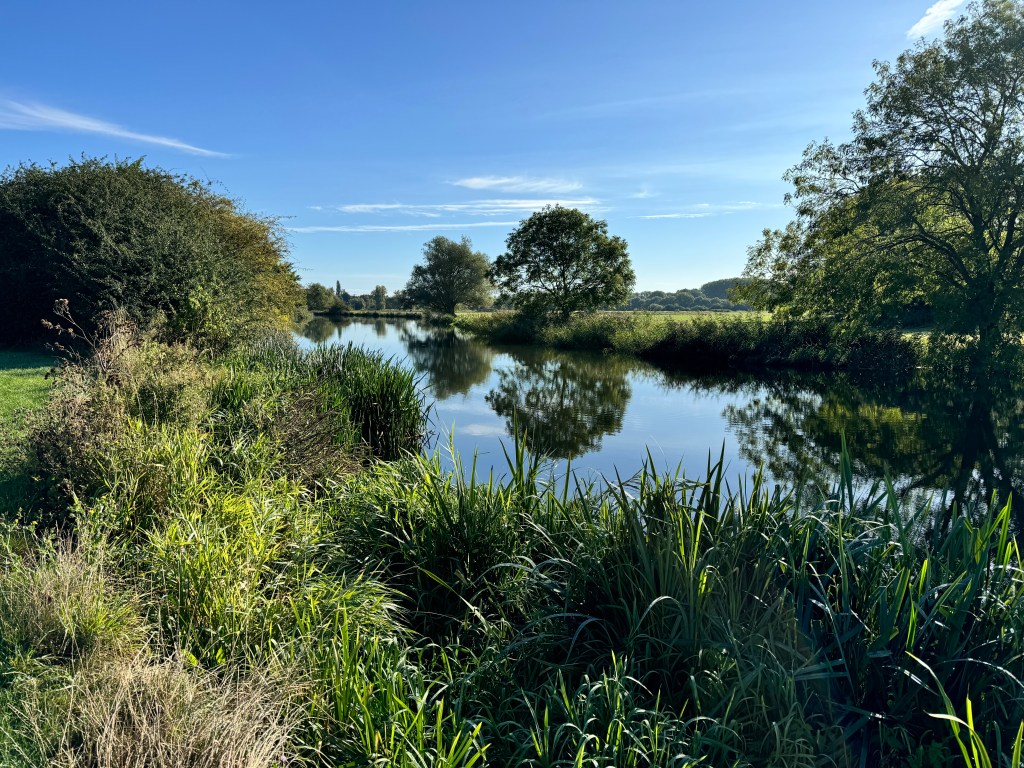
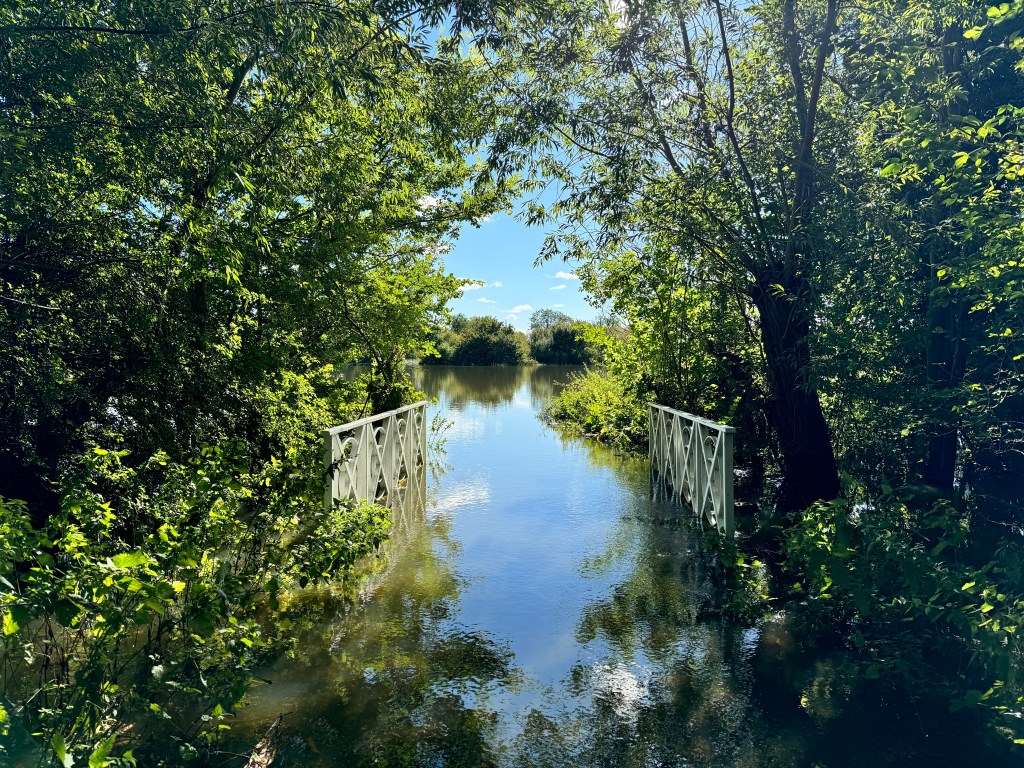
We set off on a National Trust walk to St Ives, which again was about a 10km round trip. First along leafy paths that wove through old church buildings and stately homes, and then through fields of cows busily munching through all that was green, before arriving in St Ives, a wonderful old market town with the river running through it.

The funeral came around quickly. Mum’s priest had agreed to conduct the ceremony, which was rather uplifting from the initial tune we’d chosen, “Always Look on the Bright Side of Life,” which Dad liked and made everyone smile. I managed to keep it together through the eulogy, and my brother and I kept Mum upright for what was a lovely service. From there, we had arranged the wake at the 3 Jolly Butchers in Houghton, which was good-humored, and the overall consensus of the 30 or so guests was that it had been a wonderful celebration of Dad’s life.

Back to the UK and a trip up North for the grand opening

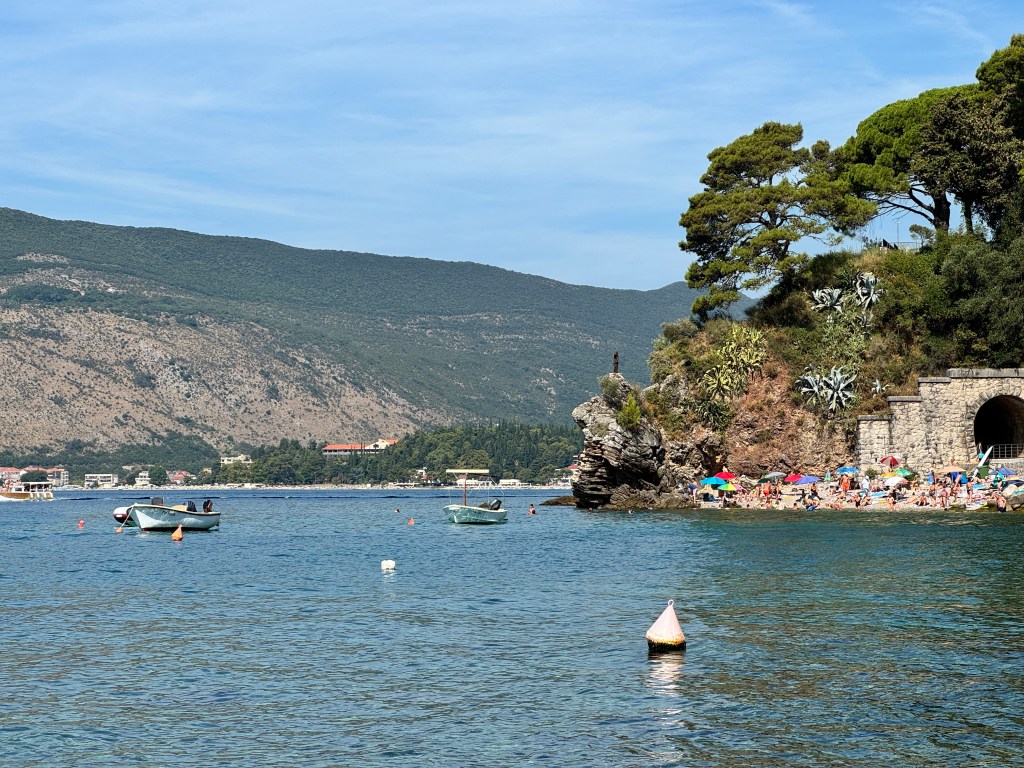
We had a late flight, so we were up early exercising before heading off to the beach. According to my three weather apps, it was going to be a very windy day, and we’d already experienced the Sahara winds earlier in the week, which turned everything a darker shade of orange. After scouting the three beaches, we found a sheltered spot on the western side and went in for what was a surprisingly calm swim, given the ever increasing winds. Meanwhile, on the main beach behind us, people were windsurfing in some very lively-looking seas. The temperature was perfect for nodding off though, which is what we did for a couple of hours, before our little secluded spot became overrun.

We were on a late flight back to Stansted, but it wasn’t too bad. Although we didn’t get to Mum’s until after 2 am, we try to make it a rule not to catch flights that arrive at unsociable hours. However, one of the reasons for taking this flight was that Seb and Ally were having the official opening of their new dental practice. So, the following day, together with Mum, we made the two-and-a-half-hour drive up the A1 to Huddersfield, where the practice is located. The event was due to start at 2 pm, and we were actually on time (my timekeeping is rubbish!). Ally knew that we were coming, but Seb didn’t, so we entered into the “Wonder of Wellness” (their brand).

The practice had been open for a while, but they’d only recently completed the renovation, and the place looked great. We snuck in with the other guests, and Seb hadn’t seen us, so when he came down the staircase into reception, he was shocked and pleased, I think, to see us all and gave Mum the guided tour, which really lifted her spirits. The guys have done a great job with all of the changes they’ve made, both visually and with the folks they have working around them. They both looked so happy, and we left feeling proud of them and what they’d achieved so far. The weather’s been pretty good, so we’ve been keeping Mum busy, walking her around the local area, which I have to say has been a real treat for us all.

Seb & Ally opening the new practice

The Imbros Gorge, Vamos and the monastery

The weather’s been great, in the low 20s with some dreamy cobalt skies. As I mentioned before, with the beach setup here, there’s a choice of 3 beaches facing east, west, and N/W. So, we can always find a sheltered spot and calm waters when the wind picks up, and we’ve now acclimatised to the water and the swims are great.

We’d read some interesting blogs about a few places on the west side of the island, so we pointed the car towards Chania and from there headed south towards the White Mountains and the Imbros Gorge. Once off the main highway, we snaked our way through some small villages, showing off the vibrant colours of their spring flora really is quite something. The start of the ascent up into the gorge seemed to be marked by an interesting old ruined church, set by the side of the road. From there, we wound our way up through some very narrow roads, where some goats were stretched out and resting after what I am guessing had been a busy mornings munching. As we slipped from one side of the crevices, to the other not knowing what was around the other side, but with each turn we were treated to a different view.

We reached the small village of Patsianos, with most of its rust-colored stone buildings wonderfully renovated and restored. There were some great-looking places to eat, but it was too early for us. One of the guys we’d met had told us about a small village called Vamos, given over to artisans, with a highly rated lunch venue that was highly rated, so off we went. Cretan food has some slight variants from the traditional Greek fare, but it’s equally delicious all the same.

Our next stop was about 2km east, to the working Agios Georgios monastery, famed in the past for its olive oil production. At one time, over 3600 trees produced 25,000 kilos annually. Olive oil is still produced today, but in smaller quantities, the modern way…still delicious though. The setting itself was incredibly peaceful, with mystical sounds emanating from the Orthodox Church in the center of the courtyard.

Our final stop was Lake Kourna, which is the only freshwater lake in Crete. It swells in the winter and spring as it acts as a basin to the White Mountains, but in the summer, it shrinks, creating temporary sandy beaches and you can stroll around its 3.5km circumference and enjoy the serene surroundings.