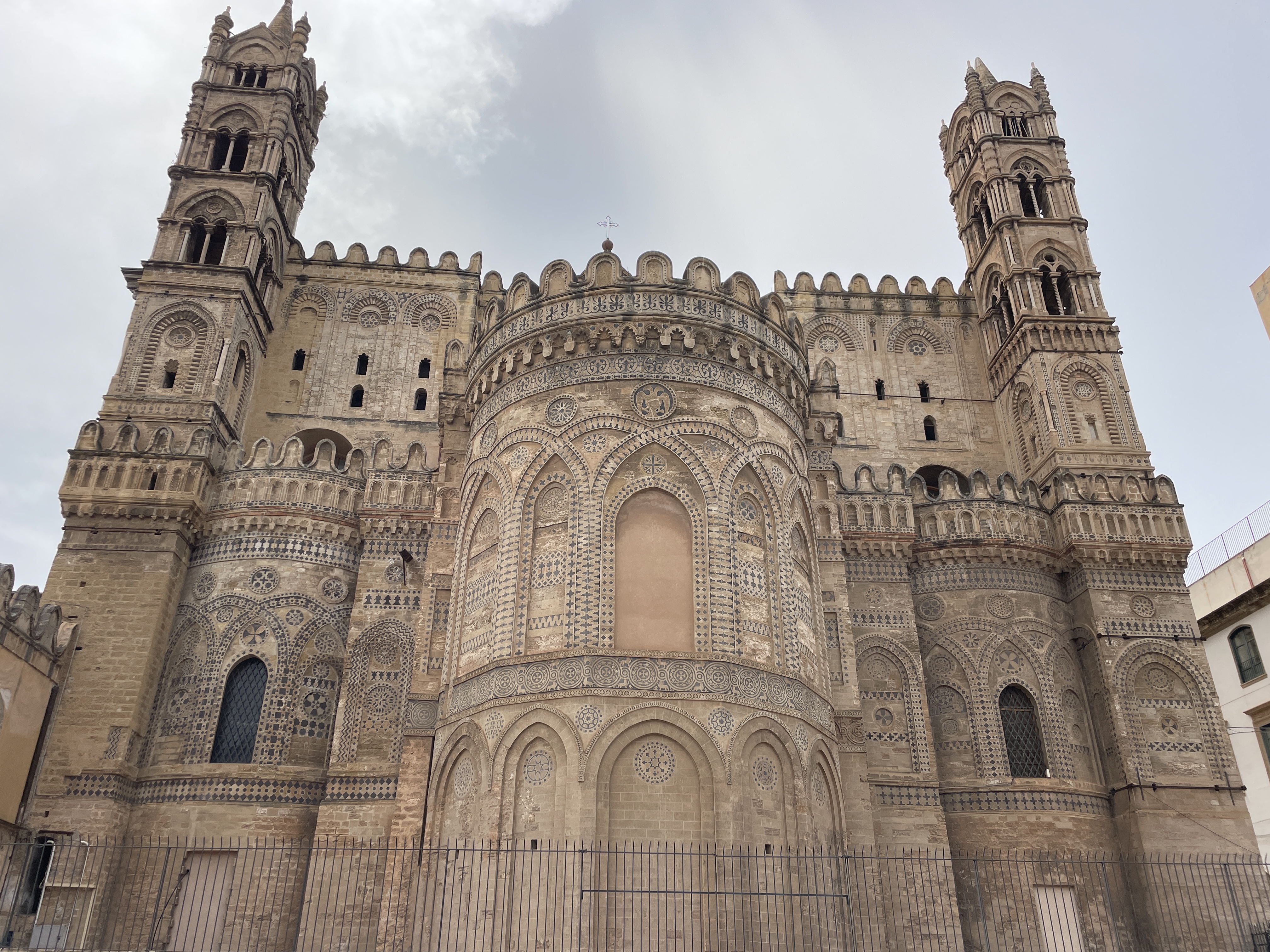
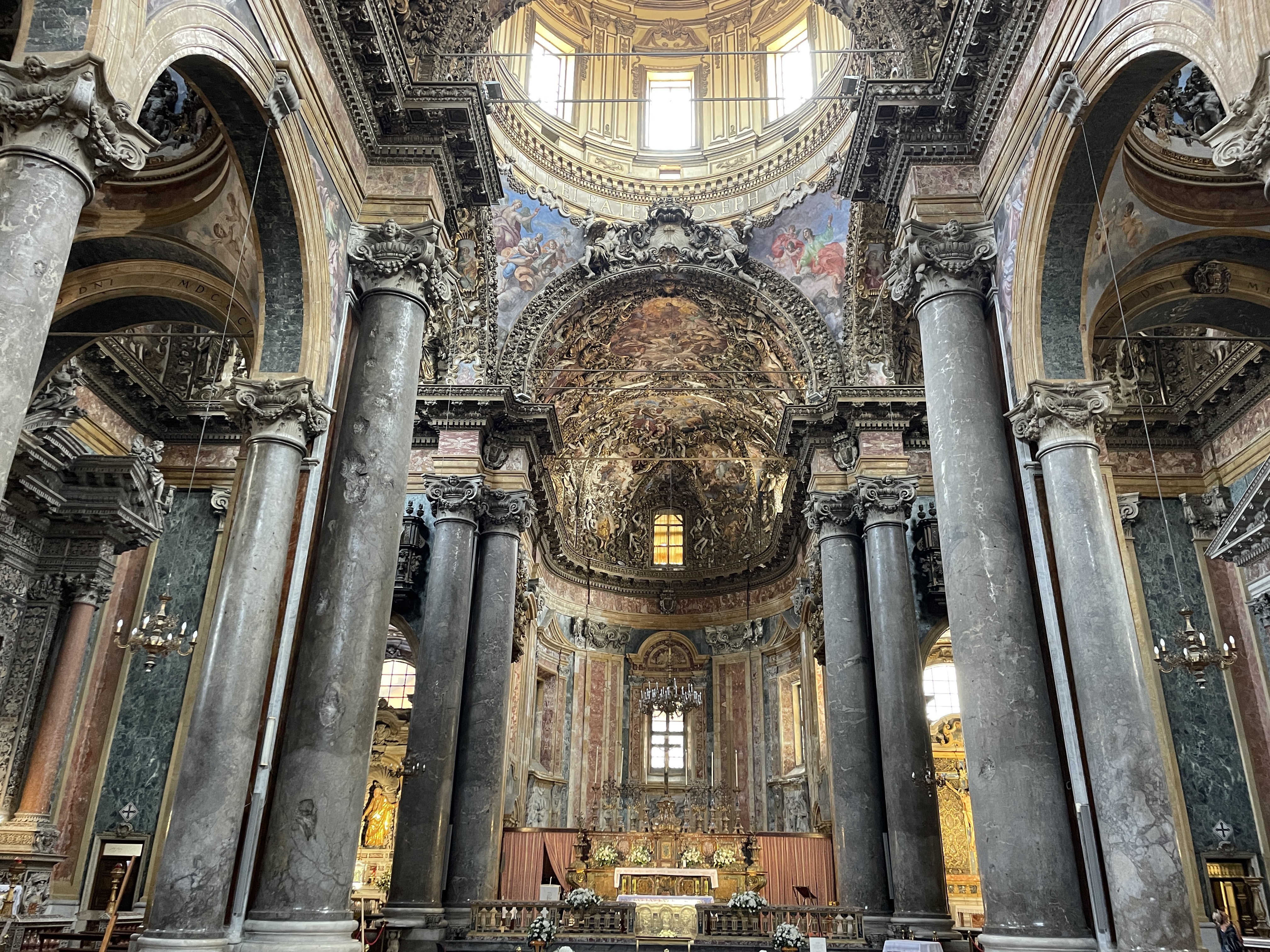
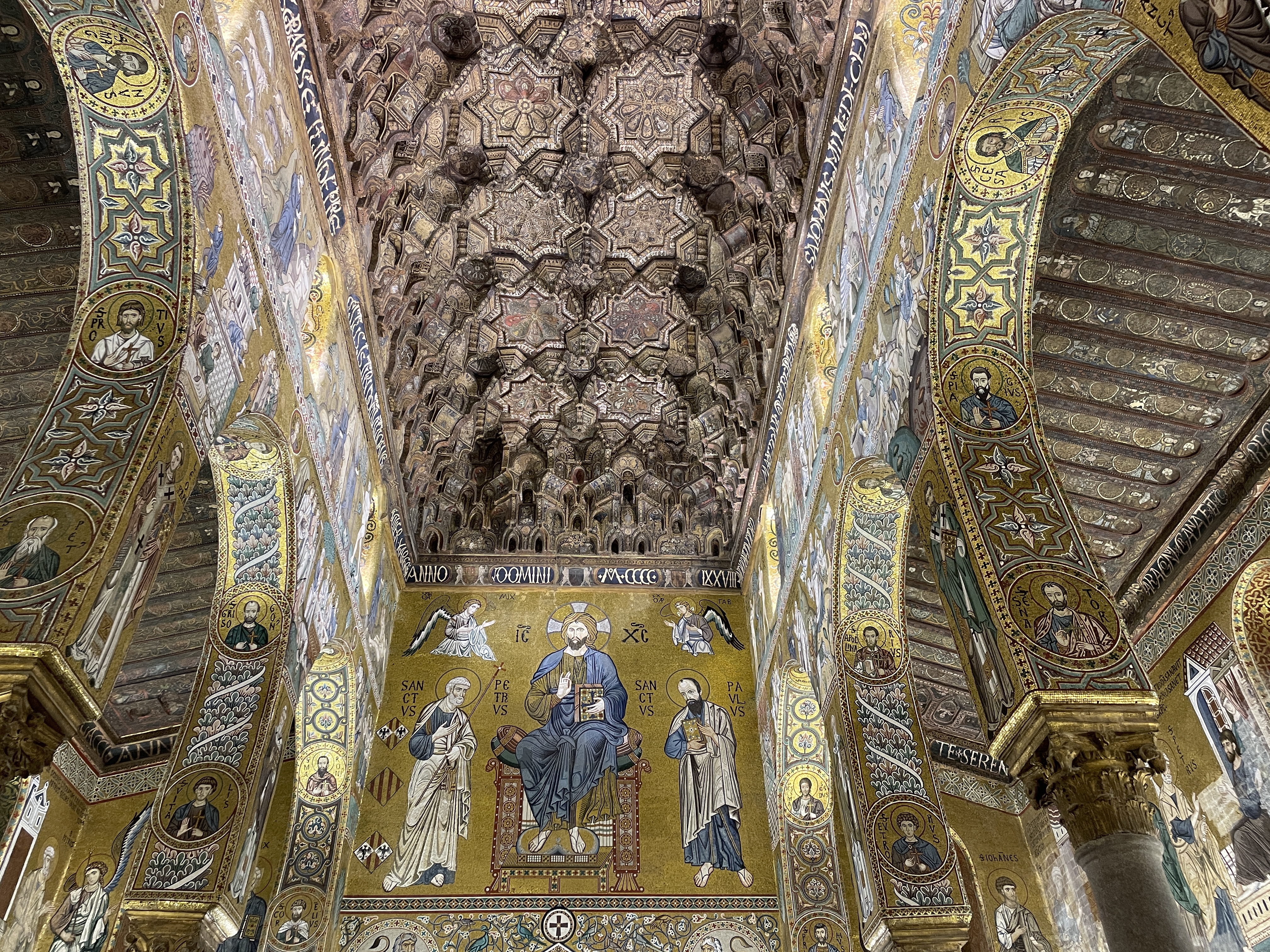
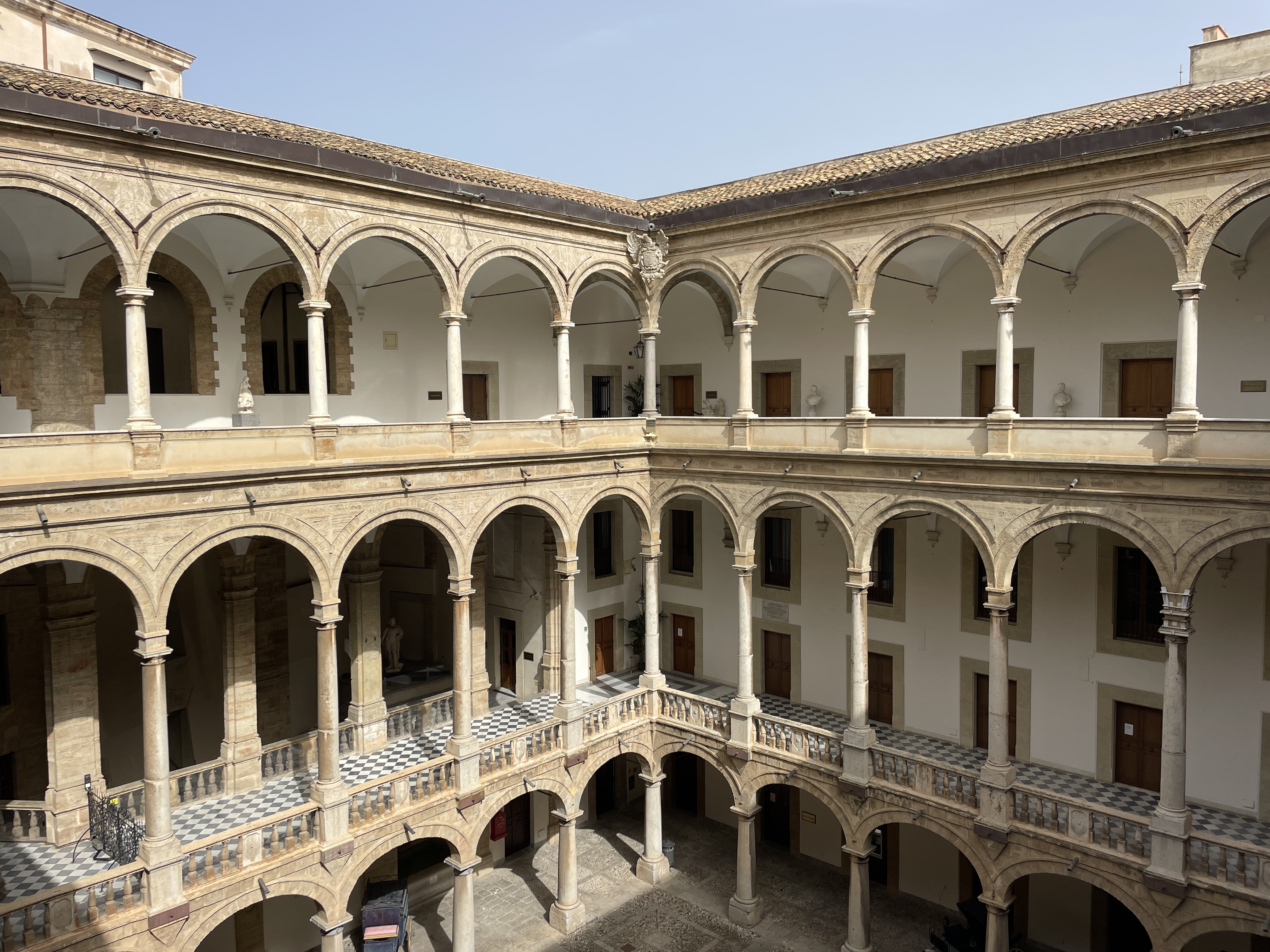
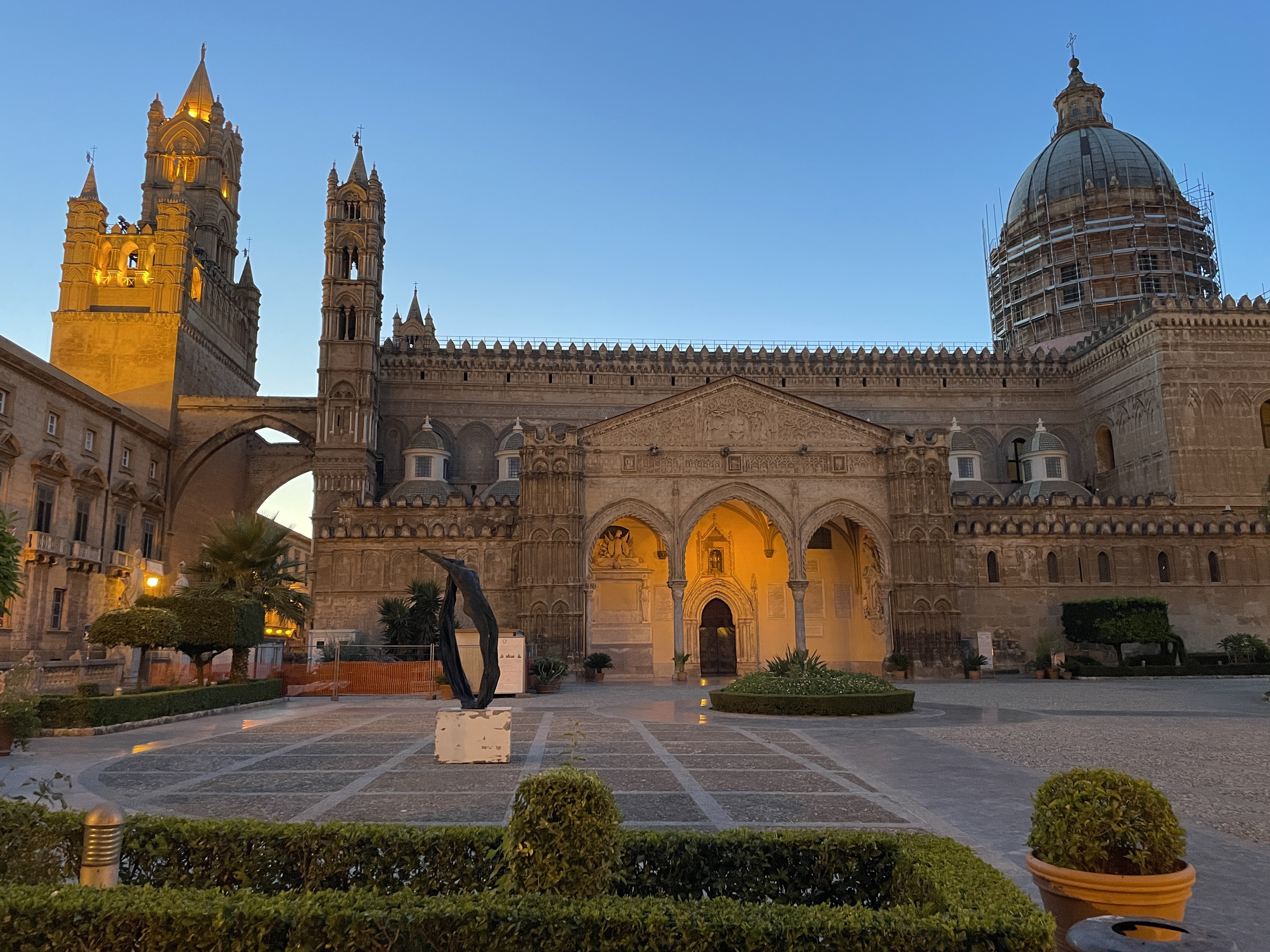
Heading North to Palermo

We’ve enjoyed our stay in the south, and even though there wasn’t much to do locally without hopping into the car, the beach was perfect for an early morning swim. A bit further up the coastline, we also discovered Zuma Beach, where we could have lunch and watch the kite surfers, which was highly entertaining, but it was time to move on. After packing up the car, we hit the road just after 8am. We had planned for one last swim, but the rough conditions prevented us from doing so. Throughout the drive up, we gained a true appreciation for the hilly nature of Sicily, as we crossed numerous bridges and drove through tunnels, some seemingly endless. The scenery was quite special, although we couldn’t help but notice how brown and scorched everything appeared compared to when we first arrived.

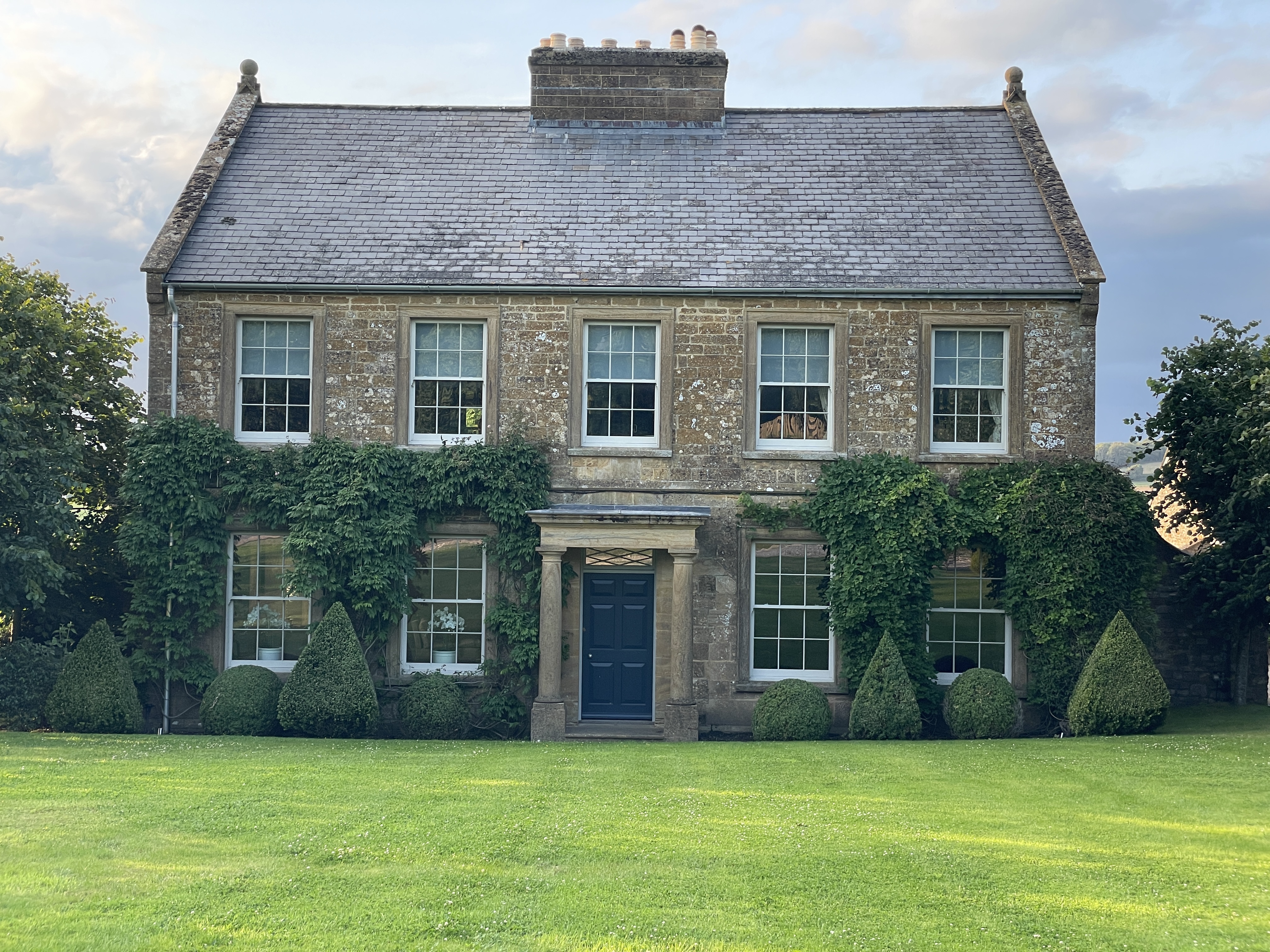
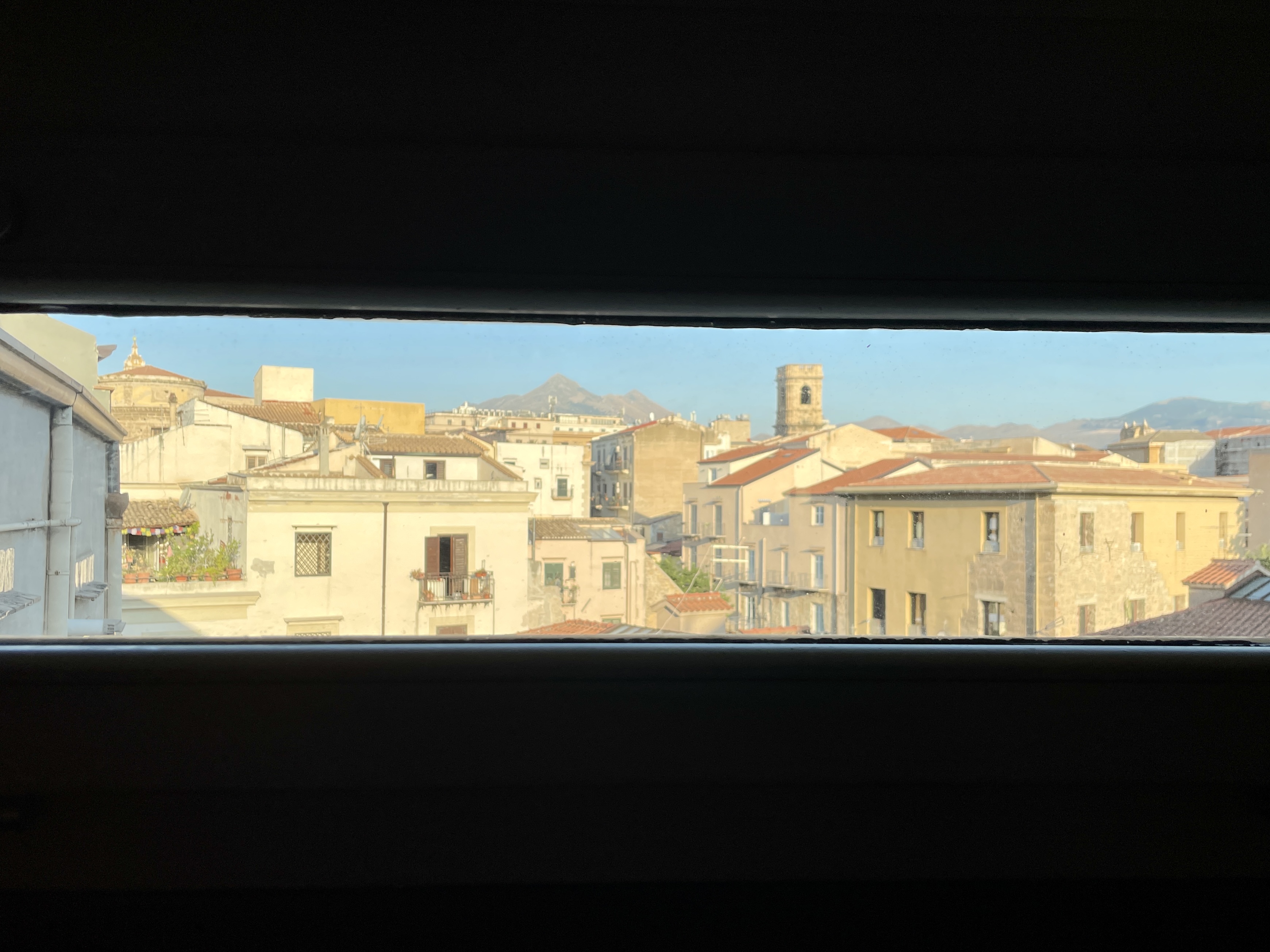
The four-hour journey was relatively painless, except for the stress caused by the dashboard, which lit up like a Christmas tree with warning lights. I was cautious not to put any more fuel in the car than necessary, which led to us arriving with very little fuel left and rolling into the gas station on fumes. However, we made it on time and in one piece, and to my surprise, I managed to get my deposits back (if you’ve driven in Italian cities before, you’ll understand what I mean). After a short wait, the taxi arrived, and we were on our way into the city. As we drove through, I felt a sense of relief knowing that we had returned the car and I wouldn’t be driving through the city. We arrived outside Port La Cala, where Martina from our host’s team greeted us. Our loft apartment is located in a beautiful old building, although it lacks an elevator, which is not uncommon in these historic structures. Nevertheless, the apartment is lovely, with views of the port in the front and the mountains in the rear. Most importantly, we’re only a 5-minute walk from the old town, and no attraction is more than a 20-minute walk away in any direction. After chilling out on the terrace for a few hours and taking a quick shower, we ventured out into this wonderful city for the first time.

La Cala – Palermo

Mt Etna

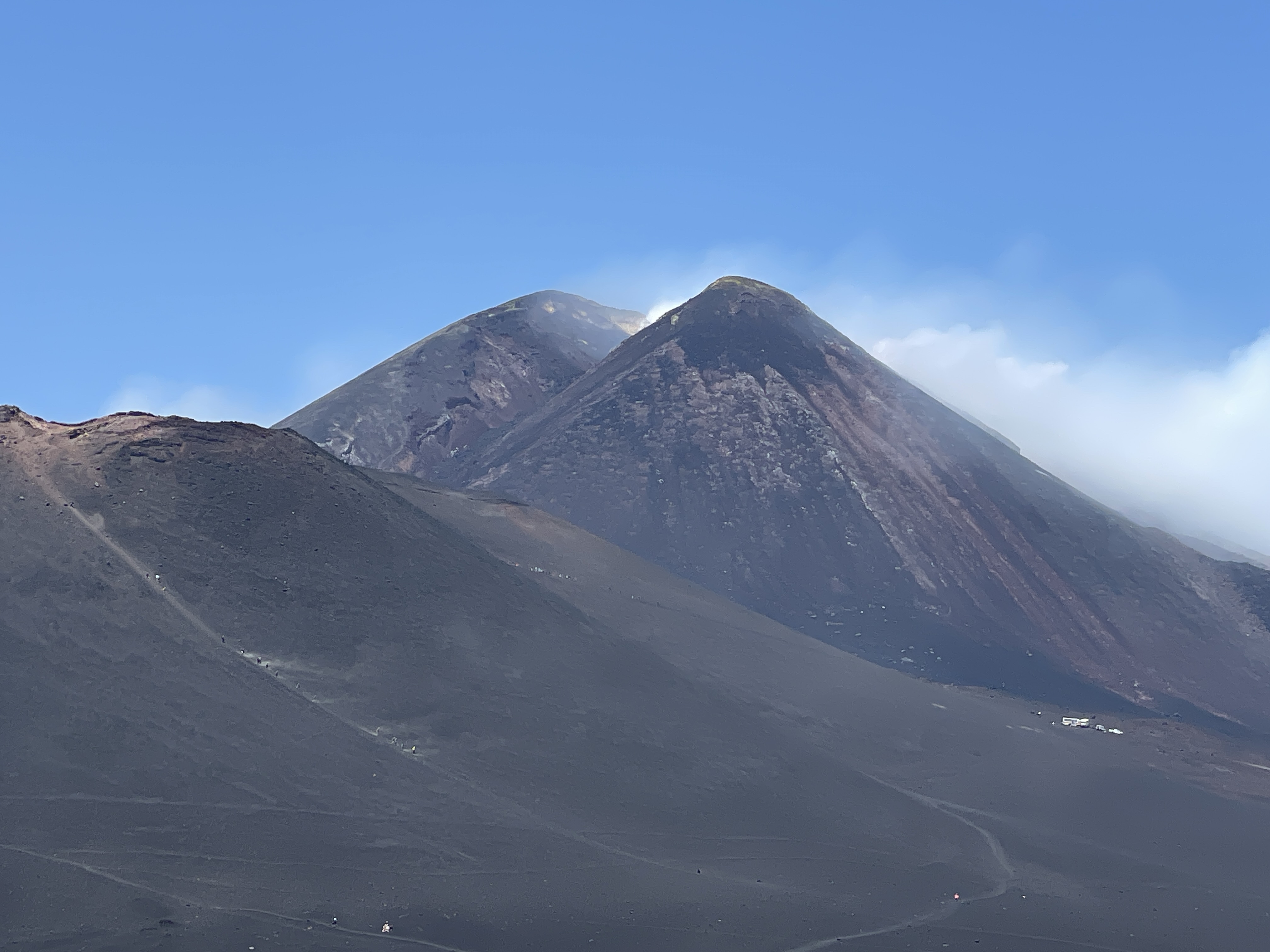
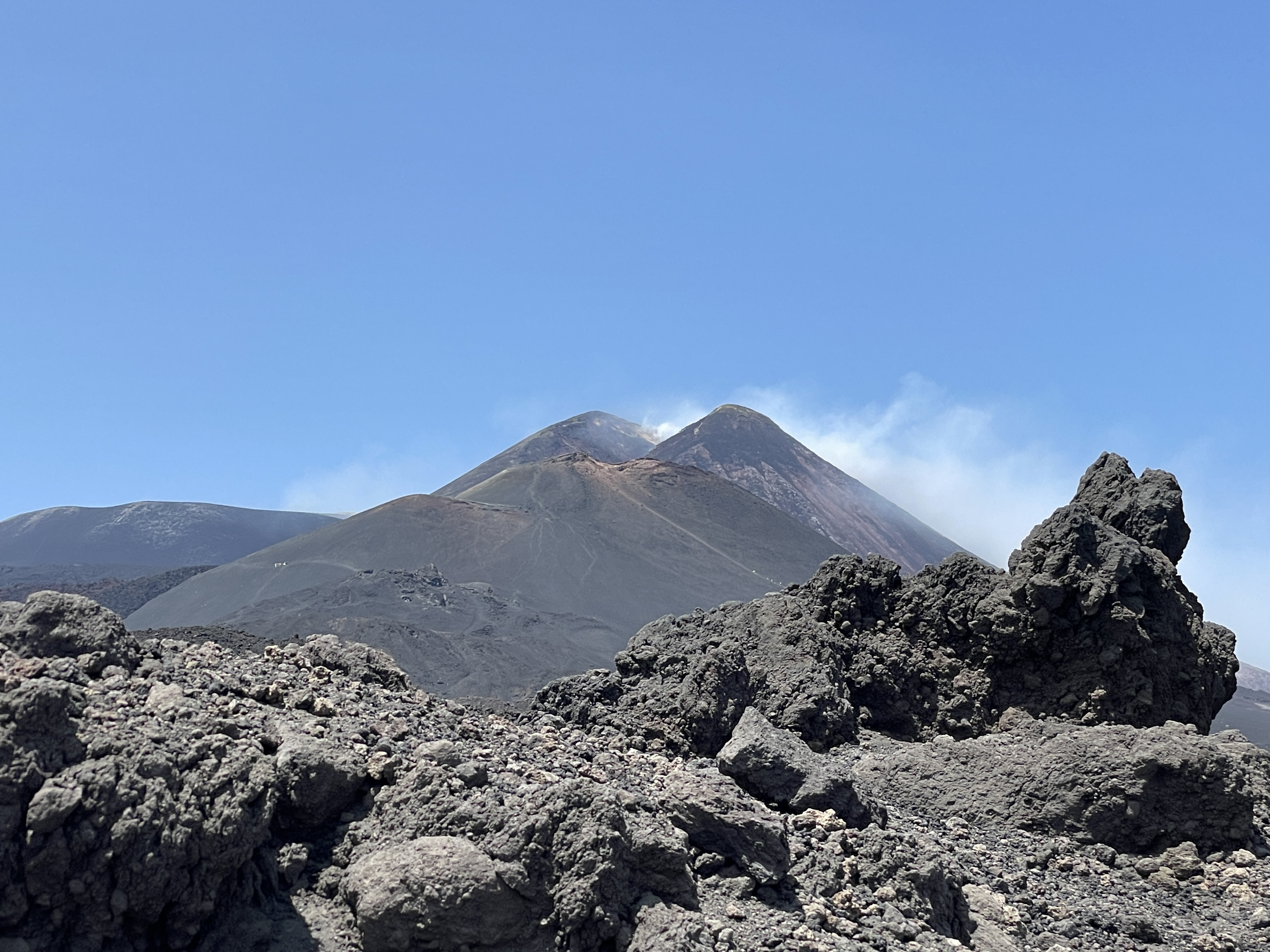
We’ve driven past the volcano several times on our travels around Sicily, and each time we’ve seen smoke wafting from one of the vents. It’s a stratovolcano, essentially composed of many layers, and is considered one of the world’s most active volcanoes. Just a few days before our arrival, it was finishing a near month-long eruption, with the smoke and ash causing the island’s second-largest airport Catania to close. It’s quite incredible to think that about 25 percent of the Sicilian population lives at the foot of the mountain, which has a circumference of about 90 kilometers. But as we’ve learned from our visits to other volcanoes, the land surrounding them is incredibly fertile.

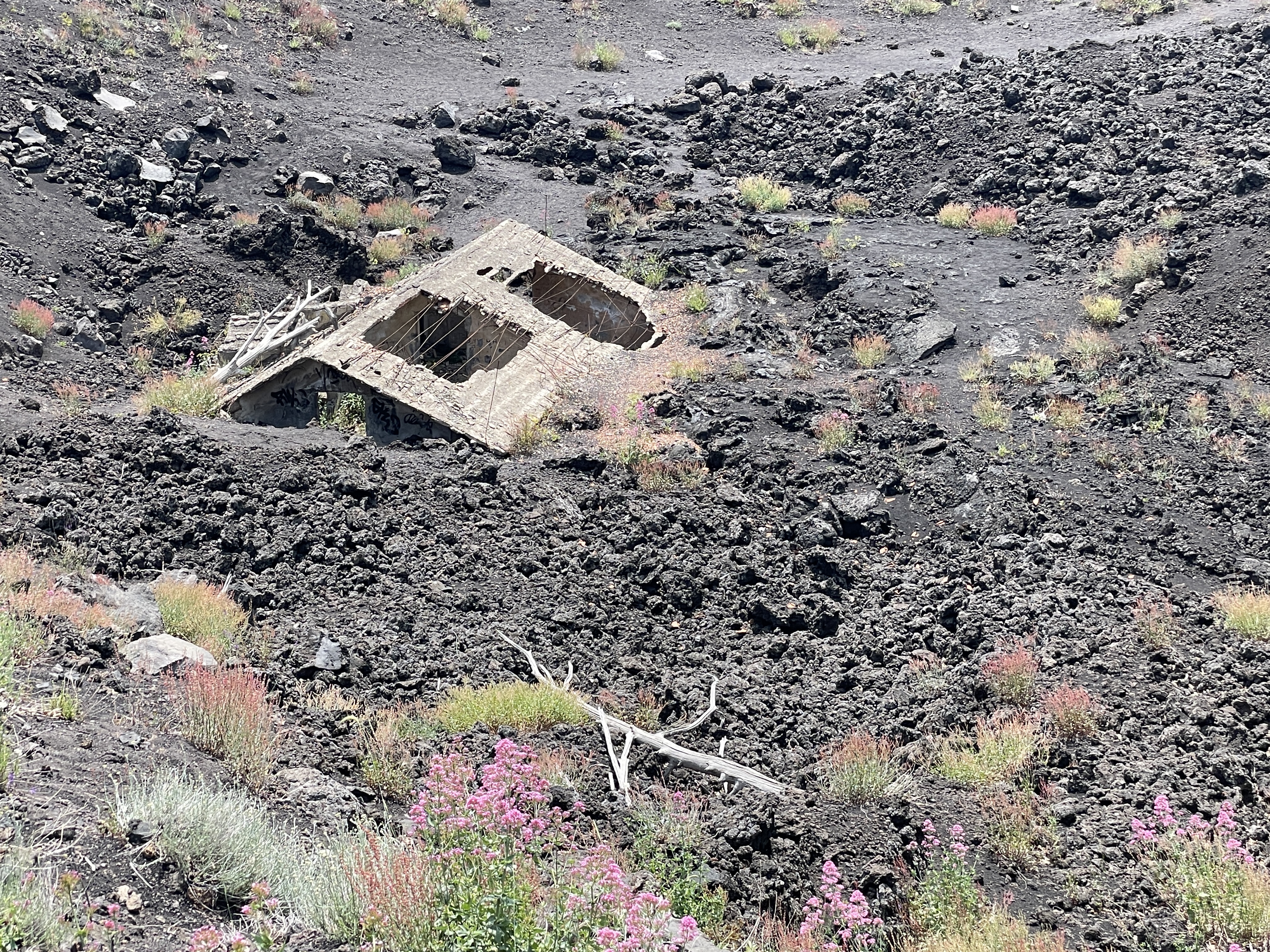
As we ascended the mountain, we noticed a change in temperature. It had become noticeably cooler, and the scent of blooming honeysuckle filled the air, providing a delightful sensory experience. What struck us both as harrowing and interesting were the many buildings that had been razed by the lava from past eruptions. When we arrived at the cable car base, it was bustling with activity. We purchased our return tickets and boarded what would probably go down as the most expensive cable car journey I’ve ever taken, but the alternative was a 4hr walk, which we didn’t fancy.

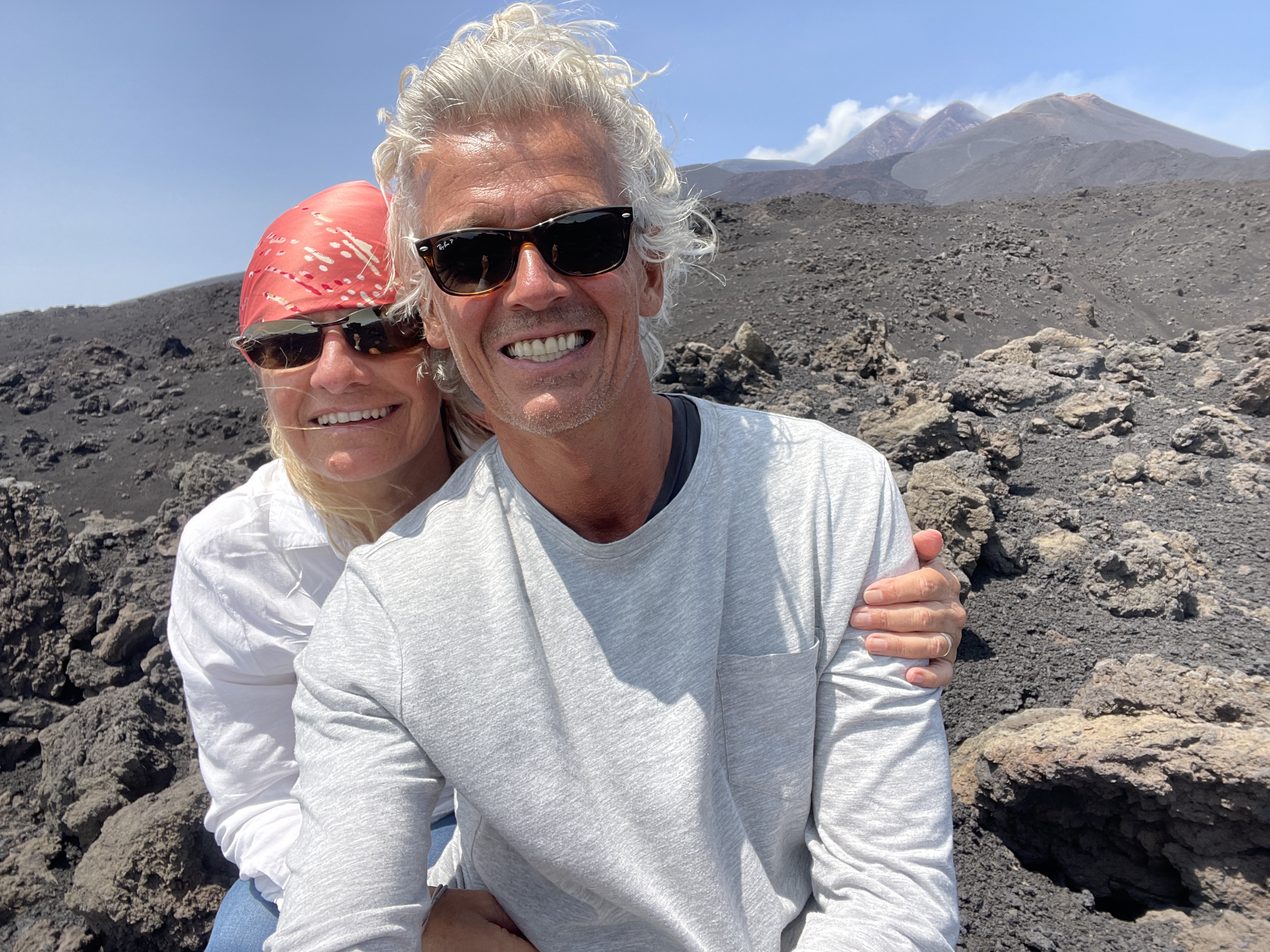
After a 10-minute ride, we stepped out into even cooler temperatures. Unfortunately, due to obvious safety reasons, we couldn’t get all the way to the action, so we decided to walk up as far as we could. Walking on small pyroclasts, which are essentially like walking across marbles, uphill was not easy. Adding to the challenge was a strong headwind. Needless to say, we didn’t get very far. However, we did manage to reach one of the craters, which was quite interesting to see. Despite the strong winds, it was fascinating to get a closer look at the latest vent hole blowing off steam, like a pressure cooker. However, due to the volcano’s ongoing activity, the surrounding landscape appeared colorless, with only a few dusty roads. Unfortunately, there was no visibility down the mountain or across Sicily either, which we had been hoping for. We were spoilt with stunning views and scenery at Teide and Telde in the Canary Islands. Nevertheless, we still appreciated the experience. After all, you can’t visit Sicily without seeing Mt Etna, can you?
Mt Etna

The Valley of the Temples


I guess it shouldn’t come as a surprise, but both of us have a deep love for history, especially ancient relics. So after driving for just over 2 hours, we found ourselves in the hilly terrain of the beautiful southwestern district of Agrigento. The Valley of the Temples, despite its name, is actually situated high up in the hills, providing natural fortification on all sides. After reading a few reviews, we discovered that the best way to experience the seven temples is to park the car in the western car park, take a €6 taxi ride to the eastern car park, and then walk the few miles back through the UNESCO site. And so, that’s exactly what we did. Given the 35 degree temperature, I put on my new hat, and off we went.

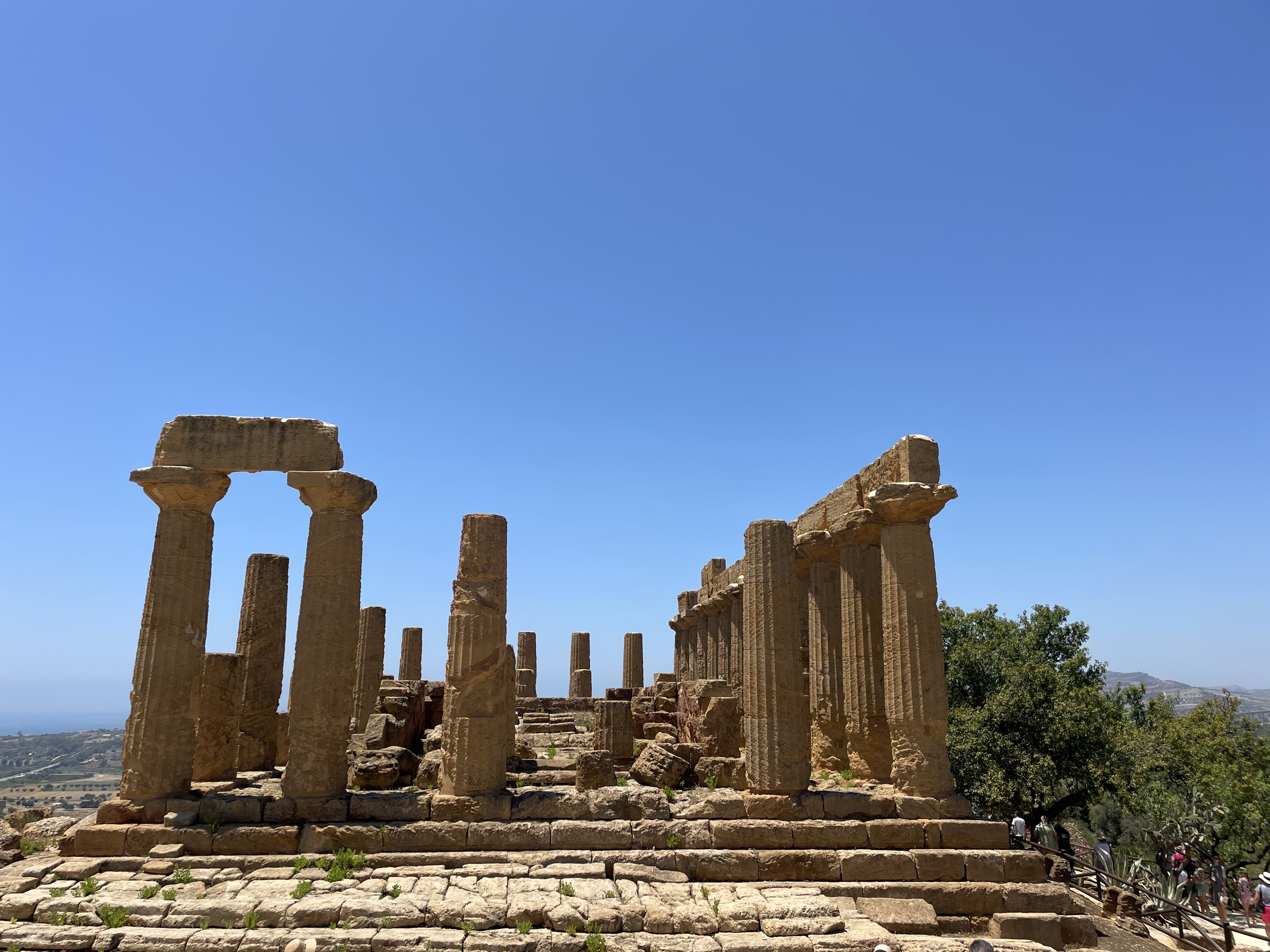
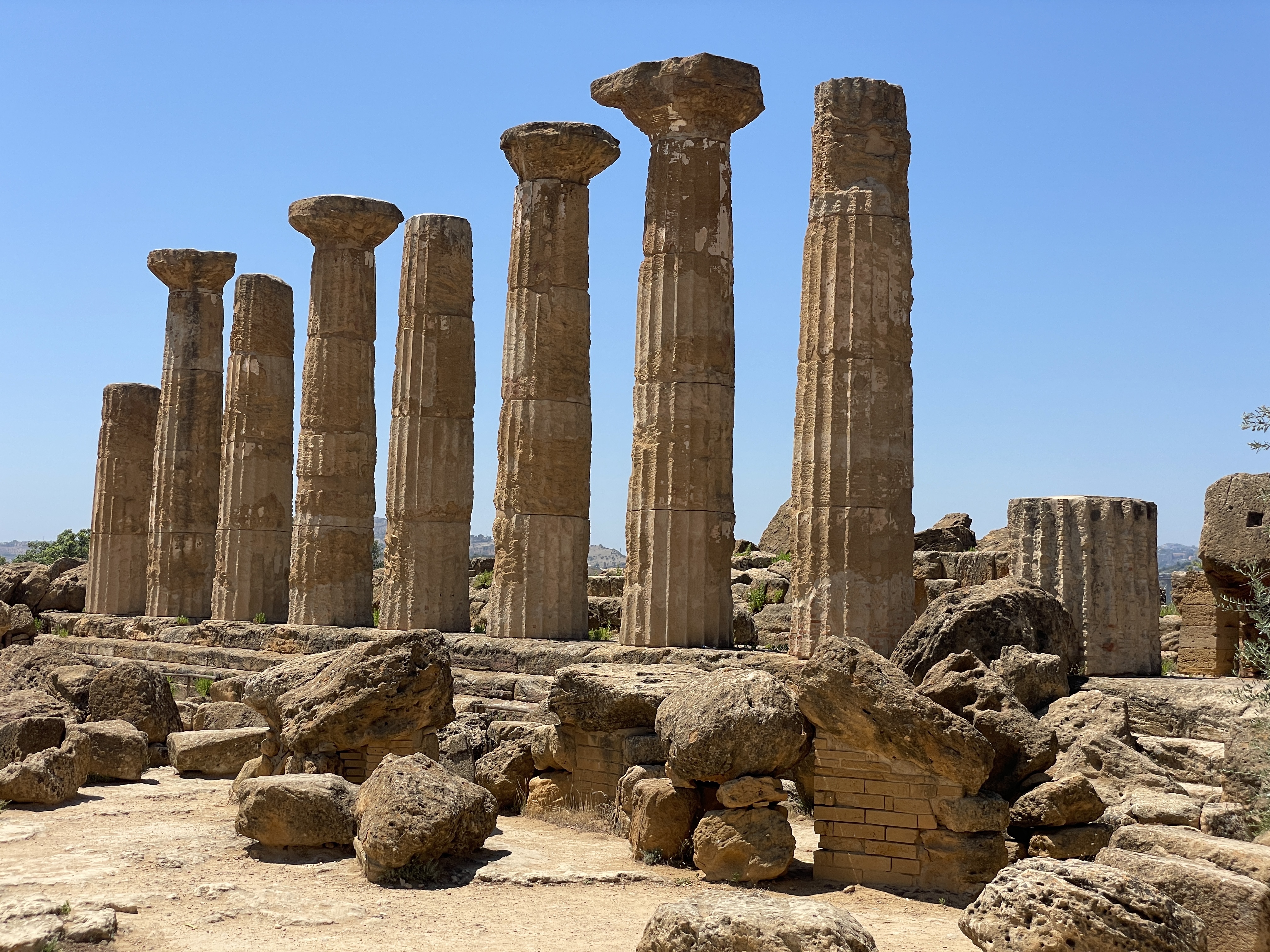
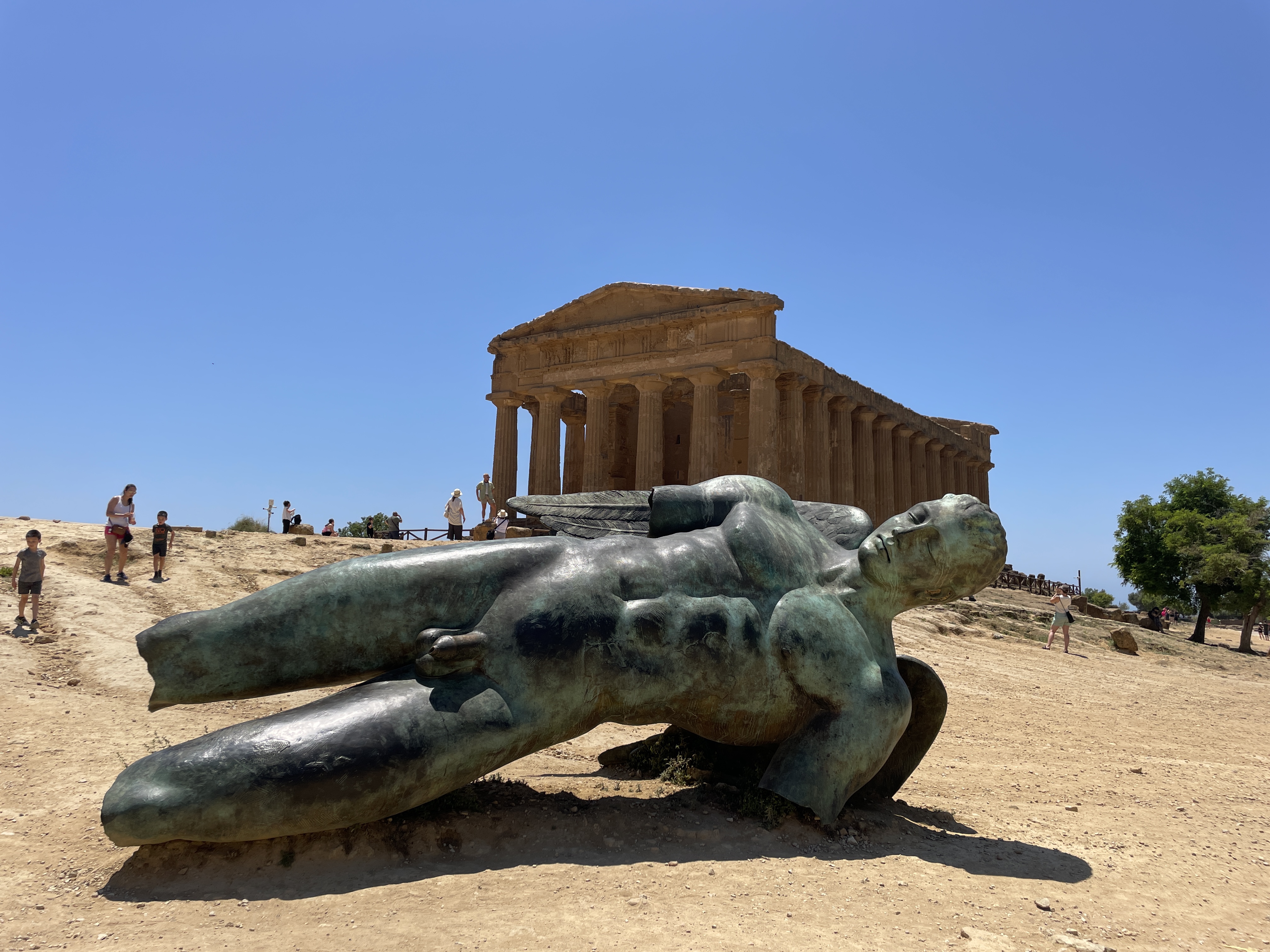
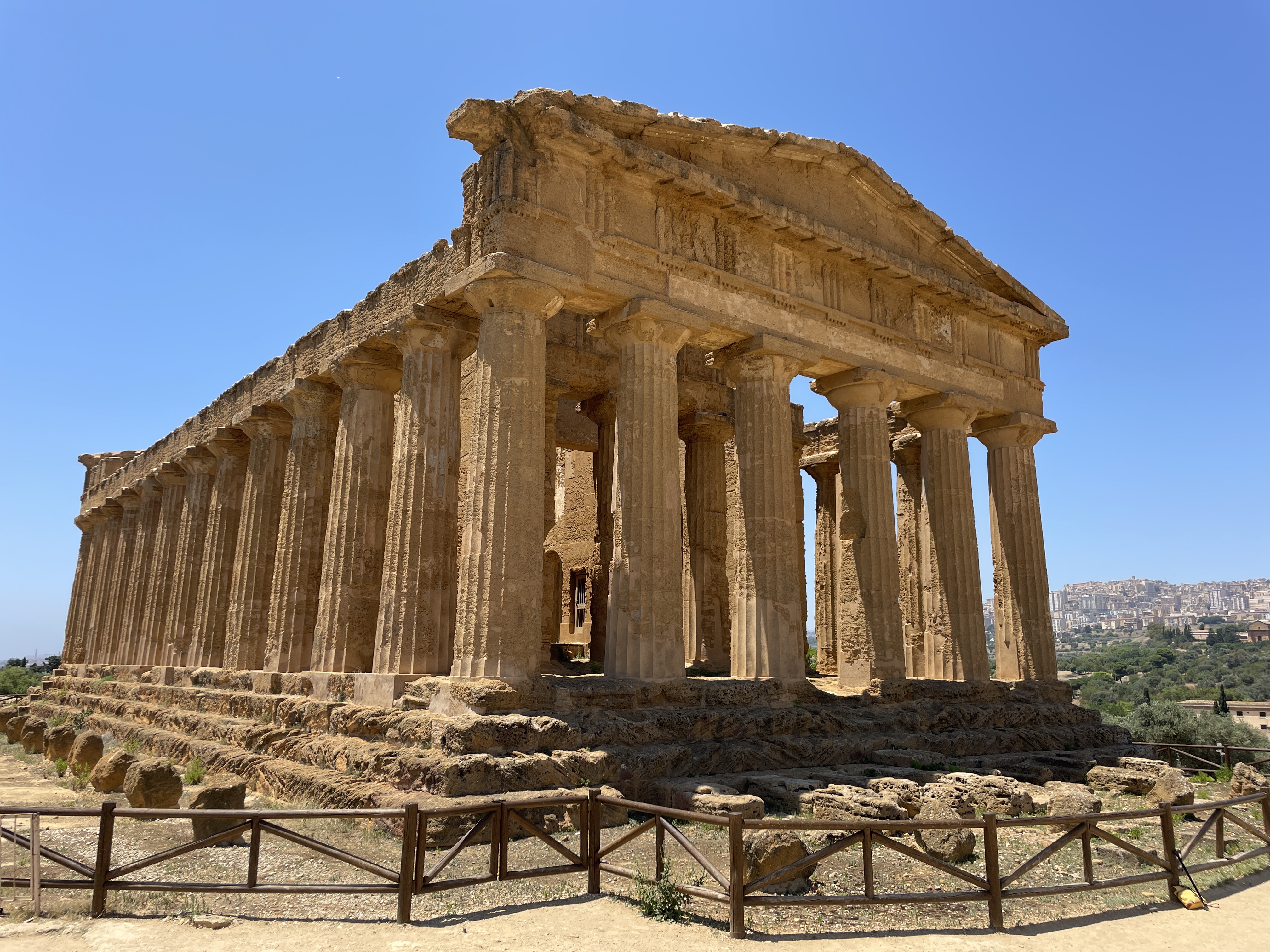
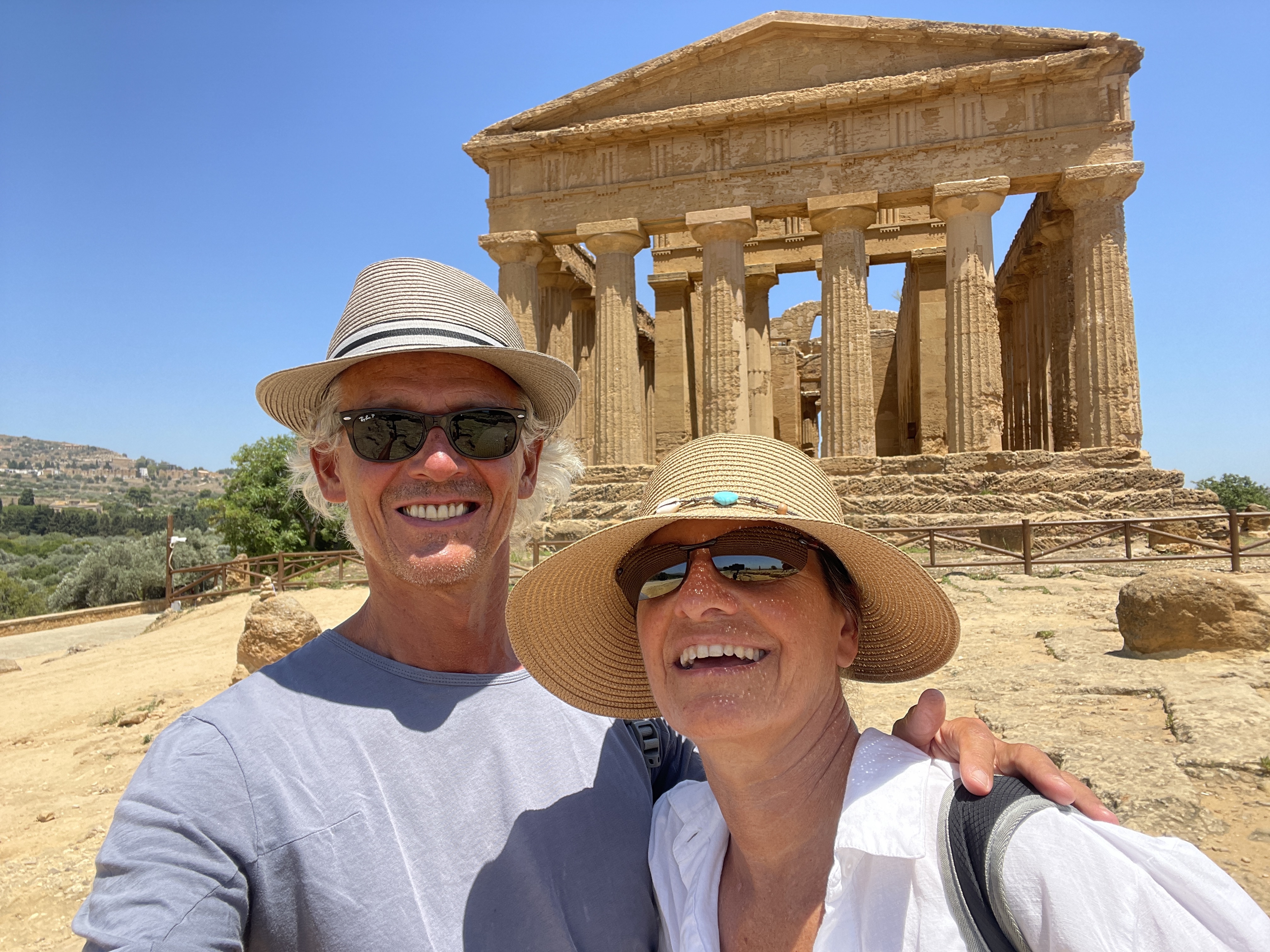
Almost immediately, we were greeted by the Temple of Juno. Its structure is perfectly balanced and faces east, as worshippers believed that the gods wanted to witness the sunrise. It’s fascinating to think that these temples were not intended for public access; ordinary citizens could only observe them from afar. Built in the 5th century BC, the Temple of Concordia (later converted into a church by the Romans) is the most well-preserved structure in the Valley of the Temples. It is truly incredible, and we stood in awe for quite some time. What added to its dramatic impact was the recently commissioned bronze sculpture of a fallen Icarus with clipped wings and broken limbs, symbolizing his downfall after flying too close to the sun and placed as if fallen at the foot of the temple. It always amazes me what these buildings have witnessed how they’ve withstood the test of time.

Continuing our walk, we encountered the remaining temples, which may not have been as visually striking as the first few, but were impressive nonetheless. We were rewarded with stunning views overlooking Agrigento on one side and the Med on the other. Finally, we took a stroll through the Garden of Kolymbetra, a tranquil and serene place adorned with ancient olive trees, some of them gnarly and aged. I can confirm that the olive trees were not only beautiful but also produced some delicious oil!

Syracuse and a bridge to Ortigia

The swimming remains great, and as Rach only has a few short weeks, we’ve been on a quest to explore as much of the bottom half of Sicily as we can. One of our stops was Syracuse, which incidentally is the birthplace of Archimedes and dates back to at least the 7th century BC. We began our exploration by deciding to visit Ortigia first. It is connected to Syracuse by a couple of bridges, and the best way to experience it is by foot, which takes a couple of hours or even longer if, like us, you stop for a leisurely lunch at the harbor to look out over the collection of small boats and the crystal clear Ionian Sea.

As we entered Ortigia, the first thing that caught our attention was a statue of Archimedes. In terms of architecture, Ortigia offers a variety of styles, including Greek, Roman, Medieval Norman, and some fabulous Baroque buildings. Not to mention the wonderful fountains that all seem to appear randomly as you wander through the streets and alleyways. However, the highlight of our visit was the Piazza del Duomo. This charming pedestrian square is home to the magnificent Cathedral, which was built on the site of an ancient Temple of Athena. The original Doric columns incorporated into the building’s main structure clearly showcase its journey through the ages.

On the southern tip of the island, we found Castello Maniace, a bastion built in 1239. After a slow saunter back to towards the mainland, we ended up leaving Ortigia a little later than planned, with the heat having drained our batteries (getting old). We decided to visit the catacombs, which are second only in size, to those in Rome and are currently the only ones open to the public. Access is through what remains of the San Giovanni church, where there are around 20,000 underground tombs nestled into tunnels that intricately weave through the earth, connecting former Greek cisterns that were later transformed into chapels by early Christians. Alongside rows of graves that once housed extended families, we also encountered a few faded frescoes and early Christian symbols etched into stone slabs. While I wasn’t as interested as Rach in seeing this, I have to admit it was a thought-provoking experience.

The charm of Ragusa & Modica

We’ve settled in quickly here in Santa Maria del Focallo, on the southern tip of Sicily. It’s about 100 meters from one of the inviting stretches of sandy beach, and we make that short walk every morning. So far, the blue flag beaches have been perfect for swimming.

We’re approximately an hour away from Ragusa, a town rich in history and the birthplace of Baroque architecture. As we approached Ragusa, we were greeted with an absolutely stunning view across an ancient ravine, where incredible buildings seemed to cling to the walls of the gorge. We decided to enter through “Ibla,” the lower part of town, and found a place to park. One of the town guides then pointed us in the direction of the highlights. Adding to the spectacle, Ibla is accessed by an imposing staircase that leads to beautiful winding streets and alleyways. Finally, the delightful “Basilica di San Giorgio,” situated on top of around 200 steps, came into view. Wherever we turned, the charm of the buildings captivated us.

Most of this area, including Noto, Modica, Scicli, and Catania, was rebuilt in 1693 after a terrible earthquake struck the eastern side of Sicily. However, Ibla wasn’t completely destroyed and still retains pockets of Gothic and Medieval architecture. After spending several hours immersed in the charm of this place, we stopped for a delicious late “feast” before returning home to enjoy the remaining sunlight. Our host, Cicero, has made us feel incredibly welcome, even bringing us delicious fruits and vegetables from his garden. When we mentioned our plan to visit Modica, he insisted on personally showing us his hometown.

Modica is nestled at the bottom of the same gorge as Ragusa, and as you approach, you’re met with an equally impressive view of breathtaking architecture, with the centerpiece being the “Church of San Giorgio.” Yes, there is a church with the same name in both Ragusa and Modica, honoring the same saint but on different days to maintain their individual significance. Modica is connected by a series of steps that link the upper and lower parts of the town, revealing hidden alleys and marvelous buildings. For about three hours, we strolled around while Cicero proudly explained the wonders of this beautiful town.

Since our arrival, the temperature has consistently exceeded 35 degrees. After hours of exploration, we needed to refuel. We were recommended to try “Ornato,” one of the best fish restaurants we’ve been to in a while, where everything is homemade and is delicious. After complimenting the chef, we headed to what Cicero claimed to be the best gelato in the area for Rachel. She promptly declared it the best she’d ever tasted, and she’s no stranger to ice cream. We also met a Turophile, who introduced us to some of Sicilys delicious cheeses, many of which we ended up leaving with. Our final stop was the famous chocolatiers “Bonajuto”, who have been making chocolate the same way for over 400 years. Needless to say, Rachel stocked up on their delectable treats!

An ambitious travel plan: Djebra to Sicily

After three incredibly enjoyable months, it’s time for a new adventure. Tunisia has truly surprised us, and we’ve met some of the kindest people since we started our travels nearly two years ago. From market traders and cab drivers to fishermen and our wonderful hosts, everyone has warmly welcomed us into their country. It’s difficult to pick a favorite part of Tunisia, but I think the remote and arid beauty of the southwest, around the desert, stands out the most.

Mo On Saturday, June 17th, I put together an ambitious travel plan to leave Tunisia. If we missed any flights, we’d be stuck with our car and accommodation left waiting. Since we were staying in a remote location quite far from the airport, there is always the doubt of will the driver over sleep. However, my fears were unfounded as he arrived early. So, at 5:15 am, we set off for the airport, and just over an hour later, we arrived for a flight scheduled to depart at 7:45 am and arrive in Tunis an hour later.

After checking ourselves in and wondering if we would see our luggage for a while, as there was a 45-minute window for loading our luggage and checking in. We had prepared for the worst by packing our carry-ons with essential items. The flight departed just after 8:00 am and landed in Tunis at 9:05 am, giving us a 25-minute window to catch our next flight to Palermo.

Fortunately, we were seated next to the exit, we quickly grabbed our cases and were the first to disembark. As we reached the bottom of the stairs, I found out from the attendant that the same plane was heading to Palermo, which was a relief. However, even though we were already checked in, we had to go back through the departure hall to get our passports stamped before reboarding the plane. Thankfully, everyone in the airport was understanding and allowed us to push in at the front of every line. We eventually reached the gate at 9:35 am, where they had held the plane for us. Drenched in sweat and filled with adrenaline, we flopped into our seats—phew!

We landed in Palermo just before midday and were relieved to see our two suitcases, which were the first to arrive on the baggage belt. Renting the car proved to be a bit more challenging, but after some careful negotiation, we eventually got what we had paid for and hit the road to drive from Palermo to Santa Maria del Focallo, embarking on a 300km journey through the incredibly mountainous and green terrain—a complete contrast from what we had become accustomed to. I should have taken more pictures, but there weren’t many places to pull over, and honestly, we needed to meet our host to ensure we could get into the villa. So, after a five-hour drive through breathtaking landscapes, we finally arrived around 7 pm, utterly exhausted but relieved to have made it here.

Villa Ali – Santa Maria del Focallo, Sicily

Matmata and Ksar Hadada

Alright, it’s another Star Wars day! Our first stop was Matmata, about 3 hours west of Zarzis. As you approach the desert, a long, dusty road leads you into Matmata’s unique architectural landscape. The town is famous for its stone-carved underground and mountainside troglodyte homes. These historic structures, made famous by Star Wars, are unfortunately disappearing as their mostly Berber inhabitants emigrate to cities and towns.

One notable location is the Hotel Sidi Driss, which was chosen as the setting for Luke’s family home due to its distinctive underground architecture. We learned that these nomadic dwellings are constructed by digging a circular, deep hole in the soft sandstone using simple hand tools. Caves are then excavated in and around the pit to create underground chambers, with the main pit serving as a courtyard that remains cool in summer and warm in winter. These nomadic tribes remained relatively unknown to the outside world until the 1960s when catastrophic flooding brought them to the attention of the Tunisian government.

Arriving outside Sidi Driss felt like stepping into a Star Wars shrine. It’s not the most private hotel to stay at, as tourists flock here, especially during the season, thanks to “Galaxy Tours.” We paid a small entrance fee to explore the hotel. I’m not sure what I was expecting, but I guess I envisioned something more expansive. However, Rachel was undeterred and enjoyed exploring, while I eventually suggested that we move on.

As we headed southwest, we were once again treated to the desert landscape, with stretches of hot and hazy road snaking through it. It wasn’t uncommon to only encounter a couple of vehicles in an hour. We tried not to dwell on the thought of breaking down, and neither of us mentioned it until we were safely home. We drove through a small hamlet and stopped outside Ksar Hadada a fortified granary or (ksar), located in Tataouine and a Star Wars-famous location converted into a hotel, albeit a slightly more upscale one. I had the opportunity to peek inside one of the rooms, which turned out to be more spacious than I had imagined. Set on three floors, the top bedrooms managed to accommodate double beds, with the rooms connected by a narrow carved staircase. It was a bit bewildering to see a cave with three floors, but I could understand the appeal of spending a night or two here.

For me, the highlight of the day undoubtedly came as we wound our way through the rugged landscape. Its harshness held a unique beauty, and to top off what would be our last excursion in Tunisia, we were fortunate enough to drive past a Golden Wolf (Yellow Jackal) standing on a dune, surveying undoubtedly its territory. Absolutely fantastic!

The fabulous Chenini and Ksour Ouled Soltanes

I must give credit to my navigator, who dedicated long evenings researching and planning our routes. Google Maps sort of works, but it’s always looking for a quicker route, which, with patchy internet and often rough roads, isn’t a good idea. So, we always need an outline of our route in advance. We set off in the mid-morning, heading south towards the edge of the Sahara—a place that had us both excited.

After navigating through the local traffic, we made our way to Tataoine, which is about 100km and then another 18km to reach Chenini, with the final stretch taking us into the Atlas Mountains. I’m a big fan of mountains, and though the Atlas Mountains aren’t particularly high, they still inspire awe. As we wound our way around them, we were treated to extraordinary ochre vistas, with small hamlets and date palms scattered here and there, indicating the presence of underground water sources. What caught our attention was a perfect waterline halfway up the mountain range….wow! this place filled with water must have been incredible to see.

At the foot of an ancient Berber village, we arrived. (The Berber people, the indigenous population of North Africa, were driven into the harsh south due to wars with the more battle-ready Arabs from the East). It was just us and a chap who approached our car. Strangely, we seemed to hit it off (fated I’m sure), and with a good feeling and a desire to explore the rich history (my grandmother, who hailed from Algeria, was also Berber), he jumped in the car, becoming our guide for the next few hours.

Our first stop was the beautiful “Mosque of the Seven Sleepers.” According to legend, seven Christians slept here for over 400 years before converting to Islam. Each of them grew to an enormous height, becoming true giants. We also enjoyed the local interpretation, which involved six men and a dog who slept here for four centuries before waking up and seeking food in the village. Unfortunately, the villagers were afraid and drove them back into the cave, which was then sealed, with the mosque then built above. Interestingly the minaret leans slightly eastward, while the pointed dome deliberately tips even further towards Mecca, making this little mosque truly unique.

From there, we ascended to marvel at the troglodyte houses and storage rooms carved into the mountains, Rachel particularly liked the olive oil press. They were truly incredible, as were the panoramic views stretching across the mountains and into the Sahara. It’s difficult to capture the beauty that lies within the harshness of this place, but it’s simply stunning, and our guide was excellent!

Reluctantly, we tore ourselves away, as it was getting late and we had planned a stop at Ksour Ouled Soltanes. However, upon arrival, we found ourselves walking straight into a film set. It was all top secret, and it was amusing to see nearly all the curious villagers gathered in the small square. I had a quick chat with the Tunisian location director to see if there was any chance for Rachel and I to have a look around. After a conversation on the walkie-talkie, presumably with the producer, and a 45-minute wait, we managed to have a quick 10-minute walk around before filming resumed.

Constructed by the Berber people, the ghorfas were stacked grain-holding buildings and have withstood the hot climate since the 15th century. Although they have been abandoned for many years, the Ksar was originally built for protection against raids and designed to remain cool in the arid weather near the Sahara Desert. They were fascinating to look at with access into each ghorfa via the footholds to the front of the buildings only, so that would be marauder’s could be easily seen.

Chenini – South Tunisia

The island of Djebra

We are staying just under the island of Djebra, which, at 514 km², is about twice the size of Malta and is the largest island in North Africa. It’s about a 40-minute drive from us, and there are several ways to get there. You can fly there; it has Tunisia’s second-largest airport. It can also be reached by small ferries that run between several destinations in the north. Finally, there is a narrow 7.5km Roman causeway, built in the second century, which links it to the mainland, and that’s the route we took. We got onto the island just after noon and decided to head north.

Our first stop was at the 14th-century Fadhloun Mosque, a curious-looking piece of architecture with its different-sized domes. As it sits on the high point in the small town, it was also used as a lookout and bastion in wars of the past. It’s even rumored to have given George Lucas inspiration for the Star Wars sets. From there, we took a quick glance at Houmt Souk, the capital, saving it for another time, as we wanted to visit El Ghriba, Africa’s oldest synagogue.

El Ghriba was founded at the time of the destruction of the First or Second Jewish Temple in Jerusalem, around 586 BCE, and it contains a stone from the temple. Today, the synagogue, which was rebuilt in the 19th century, has a colorful wooden interior that exudes a calming and serene atmosphere. To highlight its importance in the Jewish world, a pilgrimage takes place here every May.

Djebrahood is an open gallery of sorts, where artists from across the world were invited to contribute to a project adorning the entire small village with murals. It’s already a beautiful little village, filled with artisan shops, and the murals only enhance its charm. We spent a relaxed day in Djebra, with minimal driving, which I was happy about.

We couldn’t leave Djebra without stopping by Obi-Wan’s house, although not signposted, we found it isolated not far from the sea. Despite its slightly worn appearance, it still stood strong, and we couldn’t help but smile when we peeked inside to discover a lively mothers meeting in full swing!

Road trip to Tozeur – Chebika and Star Wars!

We set off mid-morning for a journey from the east of the country across to the western side next to the desert border, to visit Tozeur and a few other sites we were excited about seeing. We picked up the main P1 highway, which took us up to Gabes, there we peeled off and headed west. We started the journey with the familiar olive trees neatly lined up either side, but the further west we drove, the olive trees were slowly replaced by huge swathes of date palms. The further we went the more the landscape changed, becoming more arid. I’m guessing that the desert winds had a lot to do with it.

At just over halfway into the journey we were joined by the wonderful Atlas Mountains that stretch across all of North Africa. The final 100km stretch linking Kebili to Tozeur took us along a thin strip of road through the middle of Chott el Djerid, a salt pan, which stretches some 250kms and is pretty stunning. After just over 400kms and nearly 5 hours in the car we arrived in Tozeur, an oasis, boasting over 400 thousand palms. We had tried to book a place to stay on route, but the 3G signal we had, we dedicated solely to google maps. So we decided over a late lunch that we would spend the night at the Dar Horchani, which sits on its own palm oasis, about a 20 minute drive out of town. When we arrived we were met by the owner, who warmly welcomed us proudly showing us around the place, emphasising that all of the materials used were local and ethically sourced. The lodges themselves were made from recycled palm trees. Despite there being 25 unique rooms, we were fortunate to be the only guests staying in our small, comfortable intimate suite that night. We enjoyed a delicious dinner of local dishes in an private setting and took a final stroll around the property before turning in for the night.

The following morning, after stretching and a quick breakfast, we hit the road again early. Our first stop was Chebika, Tunisia’s first oasis. It was formed by an earthquake that created a canyon with an extraordinary natural spring. We also found it intriguing to discover fossilized shells halfway up the gorge, suggesting the presence of a body of water in the past. The view across the mountains was awe-inspiring, reminding us of the beauty of our planet. Chebika provided a tranquil and serene atmosphere. Next stop was to the other side of Naftah, it’s about 100 kms from Chebika the gateway to the Sahara and next to the Algerian border. We sought to find “Lars Homestead,” the iconic building used as Luke Skywalker’s house in one of the very first scenes of the original “Star Wars” film, “A New Hope” (1977). As mentioned in an earlier post, although the film was shot extensively in southern Tunisia, most of the locations have long been abandoned, and directions to reach them are not readily available, which we agreed we were actually quite pleased about. The only recognizable landmark we had was a large ranch-style property, which we still managed to miss. After stopping by the road near the ranch, we learned that the homestead was 2.5 km off-road, across Chott el Djerid, and not visible from the road. With temperatures reaching around 35 degrees Celsius (regularly exceeding 50 degrees Celsius in the area), walking the distance would have meant a 5 km round trip, assuming we were heading in the right direction. There was no one else around, and the mobile signal was patchy at best, as I discovered on my way back from a quick scouting mission. However, I noticed some tire tracks that appeared to be dry and firm, indicating recent travel, but I had no idea of where and how far they went and stepping off it would have risked our car getting stuck in the greasy mud with no traction. Despite these challenges common sense had deserted us both, we decided to take the car along the track and see what fate had in store for us. Driving very slowly armed only with blind faith and some dogged determination we set off and after what seemed like ages, but was probably only 10 minutes or so, it began to appear in the distance like a mirage, we were like a couple of excited kids again seeking and touching this piece of iconic memorabilia. After taking some pics and gawping at it for a while longer, we carefully retraced our tracks and made it back to the road and the start of our 500km journey back to Zarzis. A fantastic trip!

Dar Horchani situated just outside of Tozeur in its own palm oasis