I read somewhere that Sicily is the most invaded country in history due to its strategic importance. However, this rich history of invasions has created a fascinating tapestry of architecture and culture, especially in Palermo, the regional capital. Italy has the most UNESCO sites in the world, and Palermo boasts quite a few of them. The city showcases a wide range of architectural styles left behind by those who conquered this largest island in the Mediterranean. It has also given rise to a culinary fusion that offers incredibly delicious cuisine. According to Rach, the wine from Etna she tasted here is some of the best she’s ever had – high praise indeed!
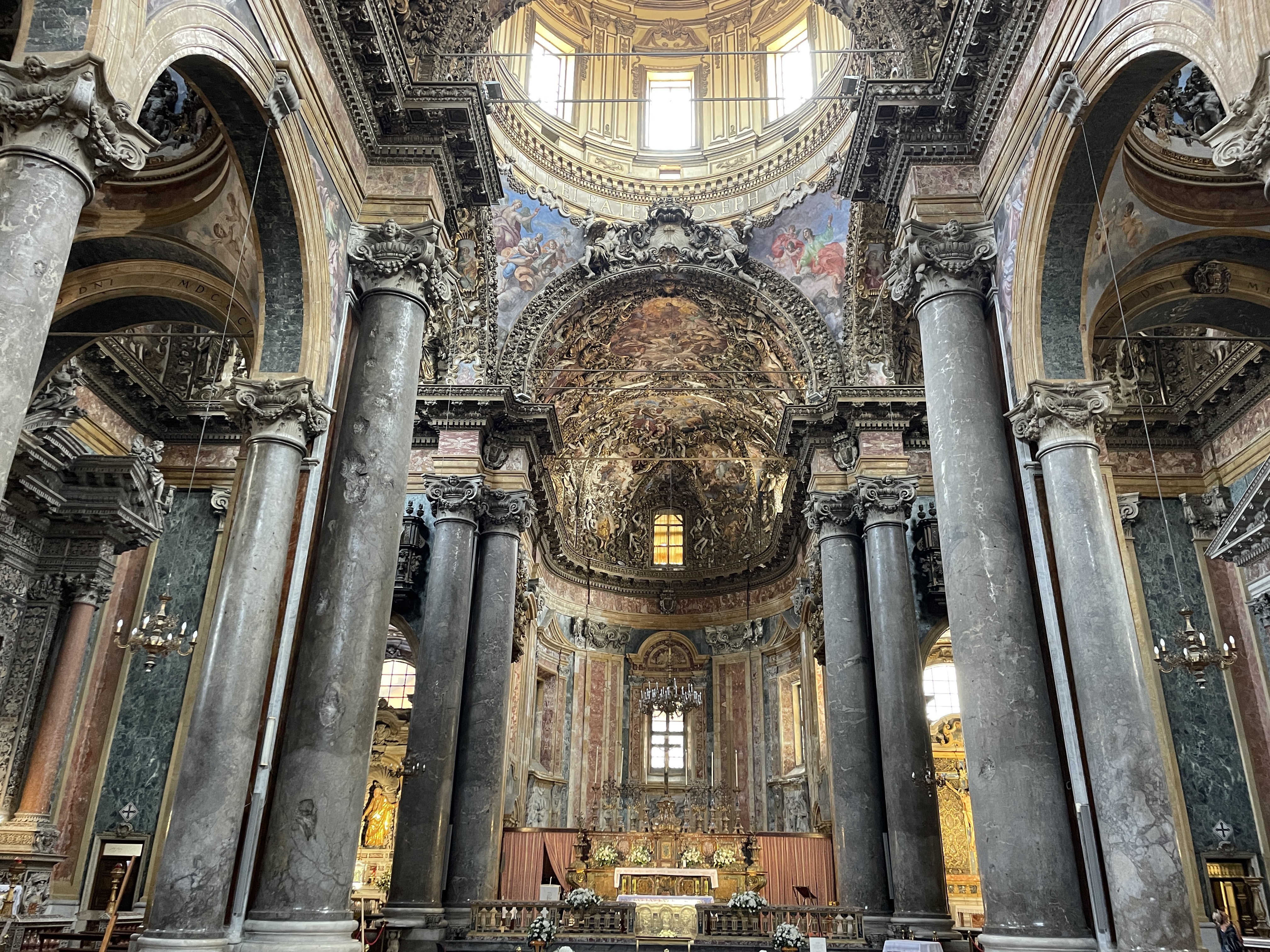
As we stroll through the narrow streets and winding alleyways, intricately paved with uneven marble, we can’t help but be captivated by the beautiful churches that dot the historical center. There are 14 of them in total, and each one provides a glimpse into the ancient history of the region. Our visit to one of these churches initially seemed unassuming from the outside. The nature of these grand buildings is such that they are often nestled within smaller streets, making it difficult to step back and fully appreciate their magnificence. However, the slightly ajar door caught our attention, and we decided to pay the admission fee and enter the nave of San Giuseppe dei Teatini. This church, located on Cassaro, the oldest street in the city, left us in awe. Every corner was adorned with intricate mosaic works and elaborate frescoes, with the internal decoration taking over 100 years to complete, involving artisans from Europe and Africa.
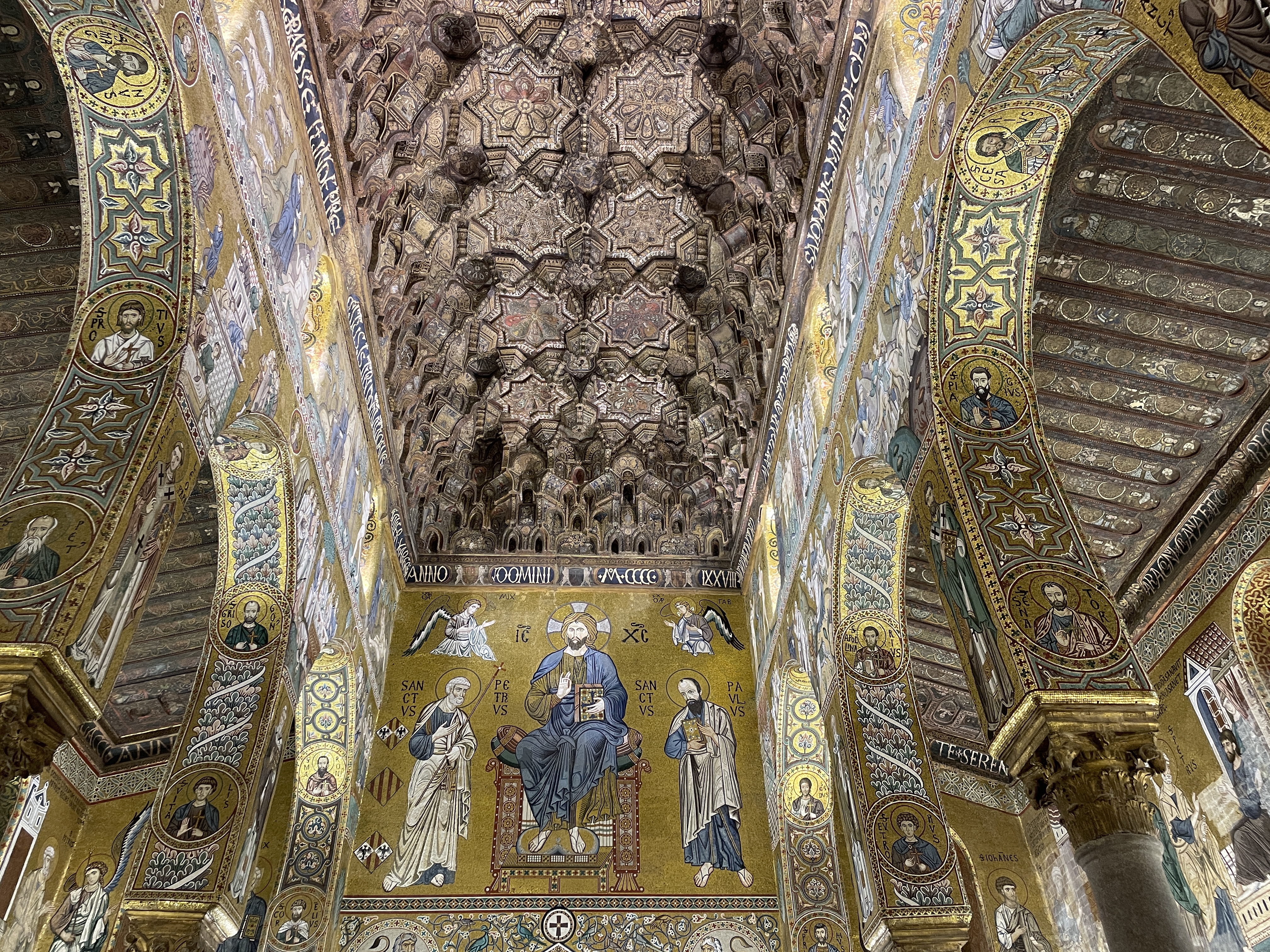
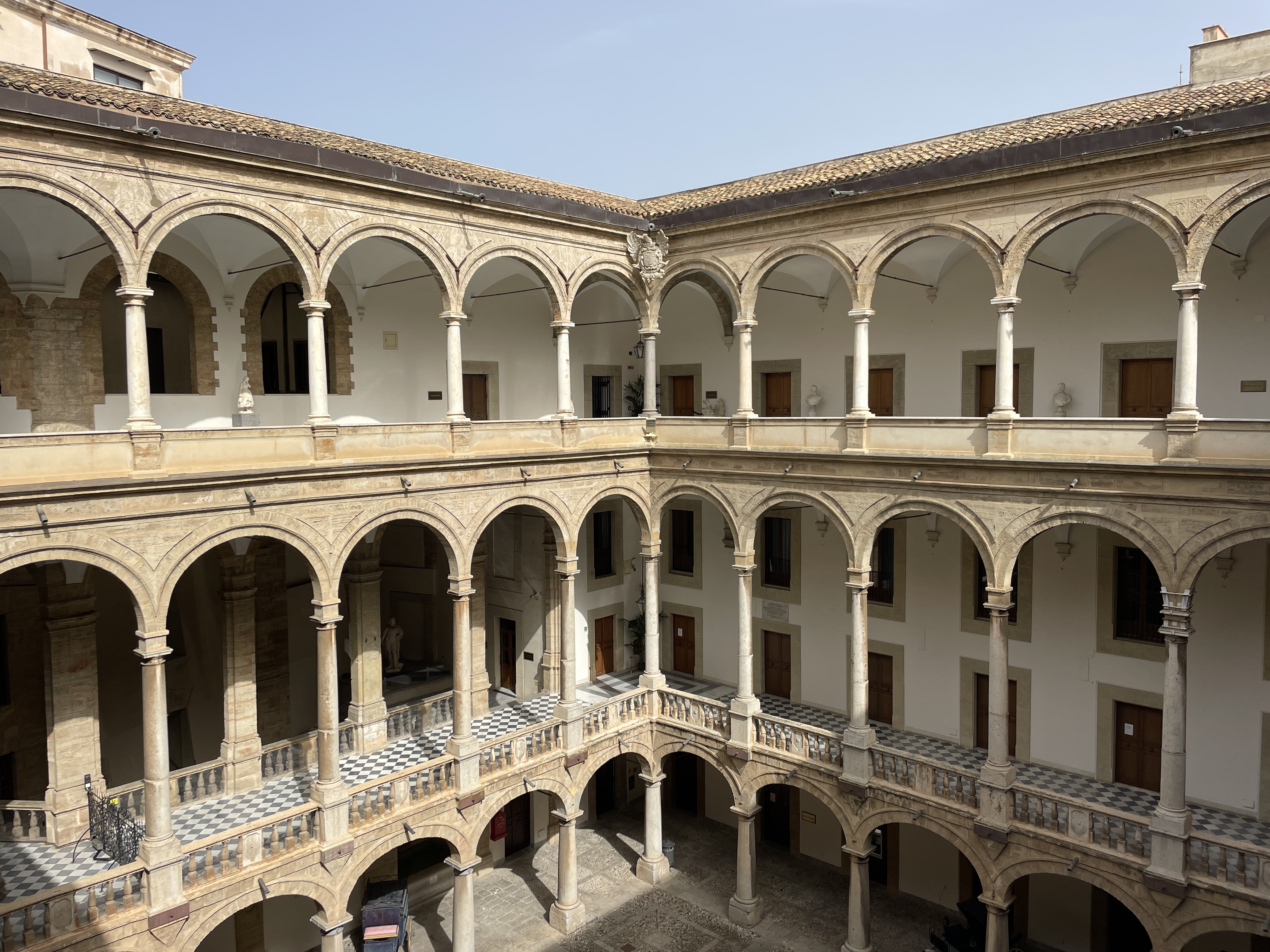
Next, we visited the Norman Palace, which looks especially impressive at night. The medieval facade harks back to the time when it served as the seat of the Kings of Sicily during Norman rule, and it continued to be a center of power for subsequent rulers. The Royal Apartments within the palace are ornate, but the real highlight for us was the Palatine Chapel, with its gold-covered mosaics. This masterpiece combines Byzantine art with Norman and Arab architectural influences, and the walls and ceilings are adorned with stunning gold mosaics. We had never seen anything quite like it before, and despite its relatively small size, we stood rooted in awe for over an hour, thoroughly absorbed in its beauty.


 Dream Chasers