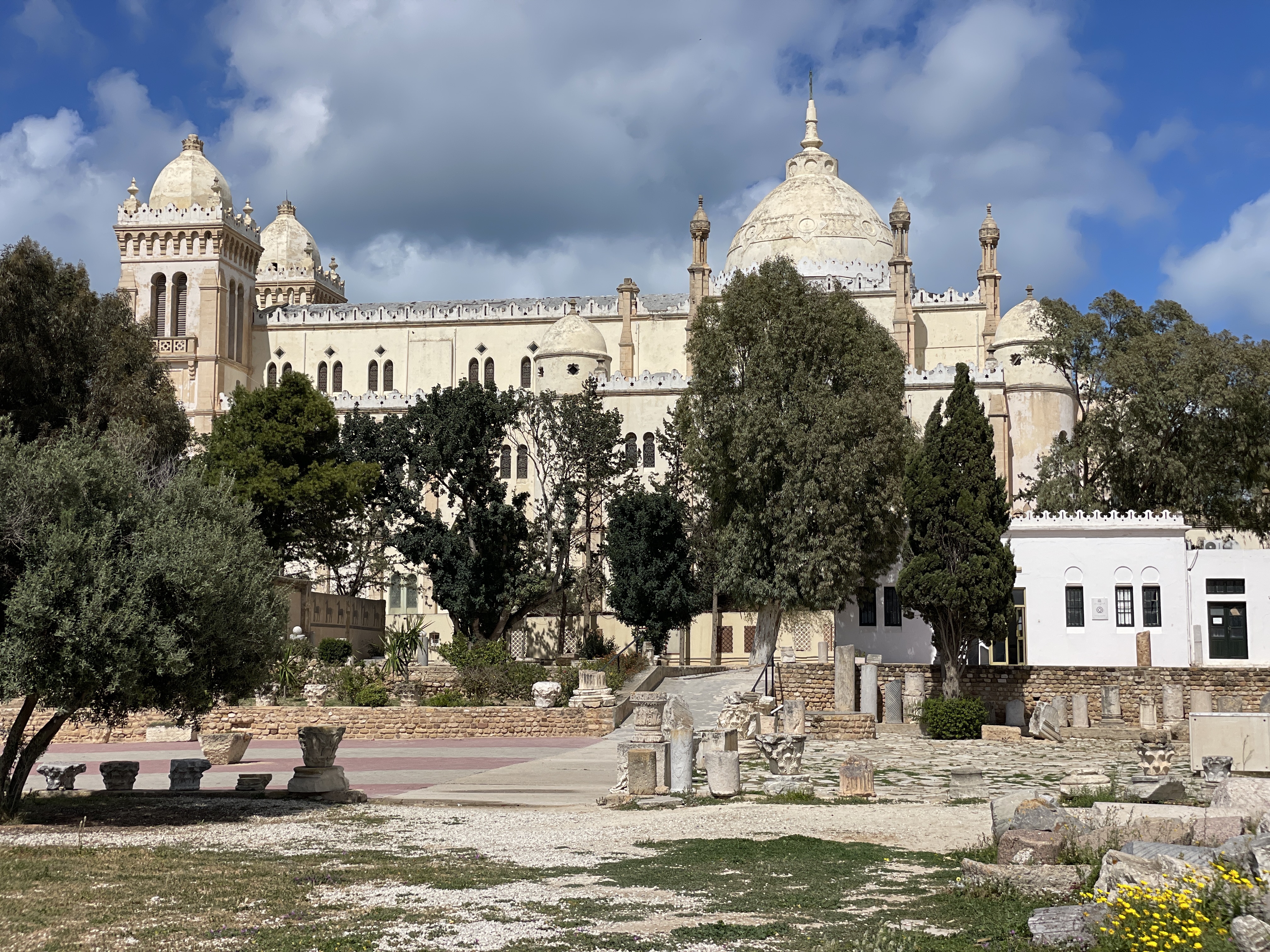
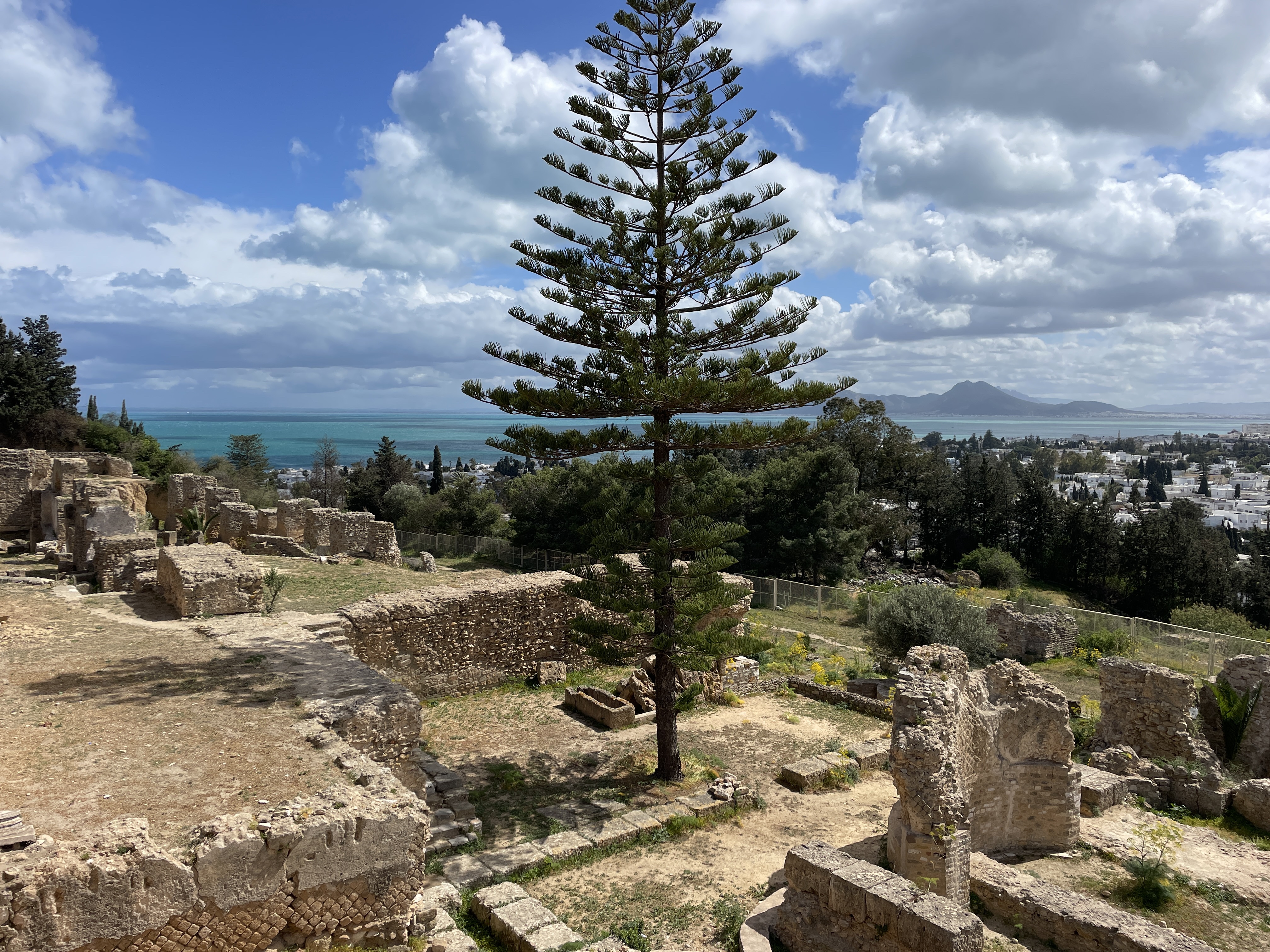
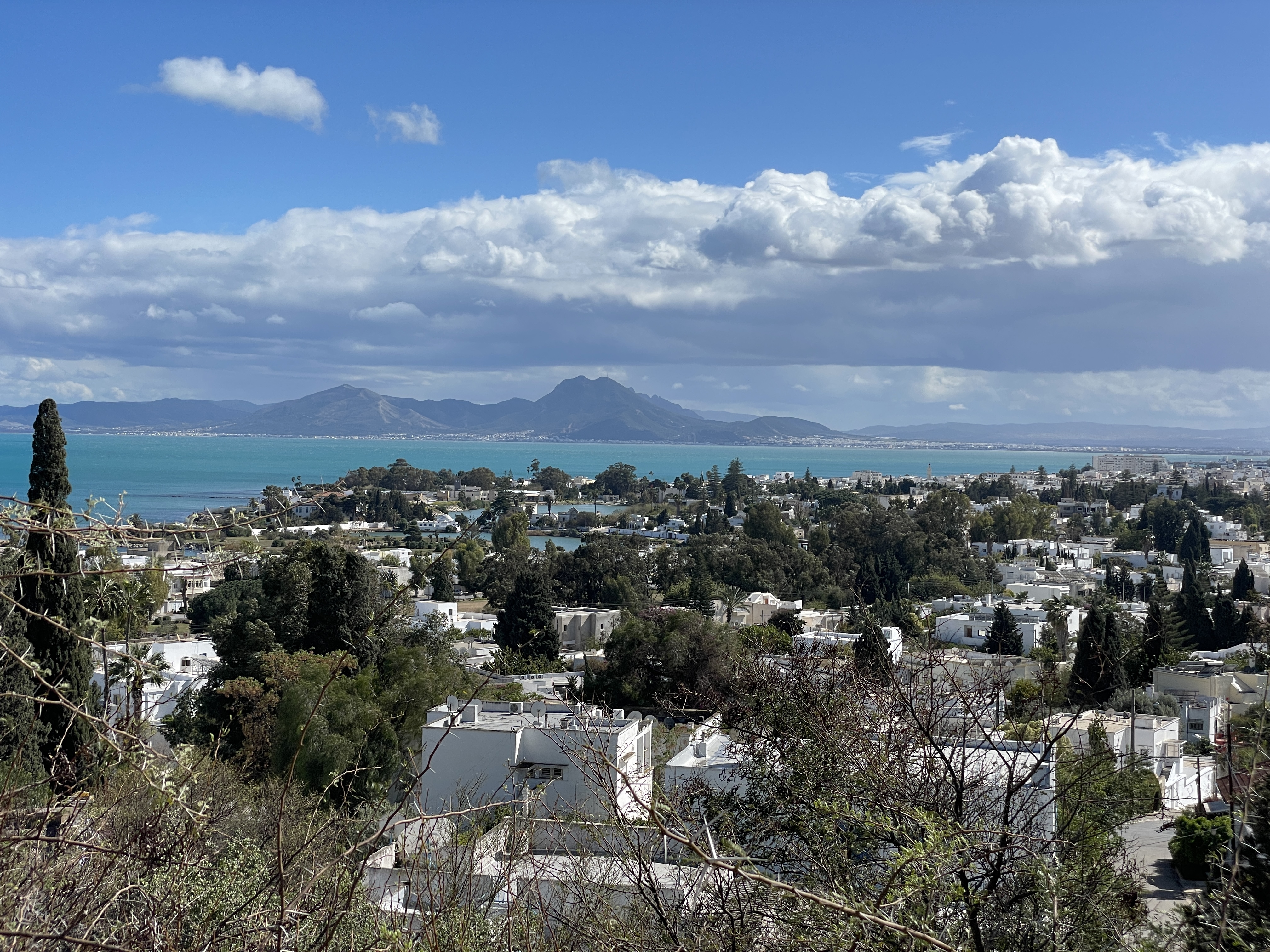
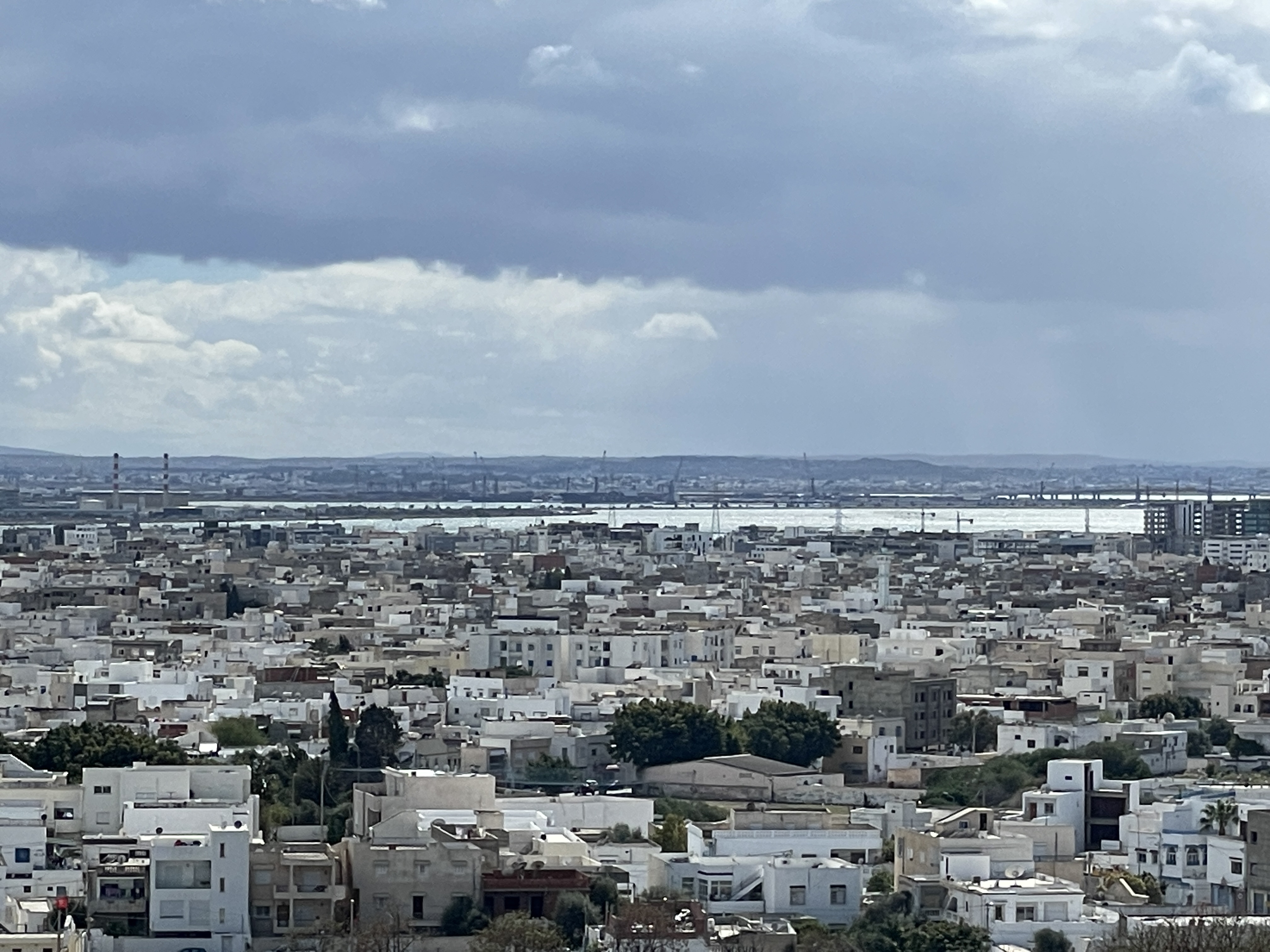
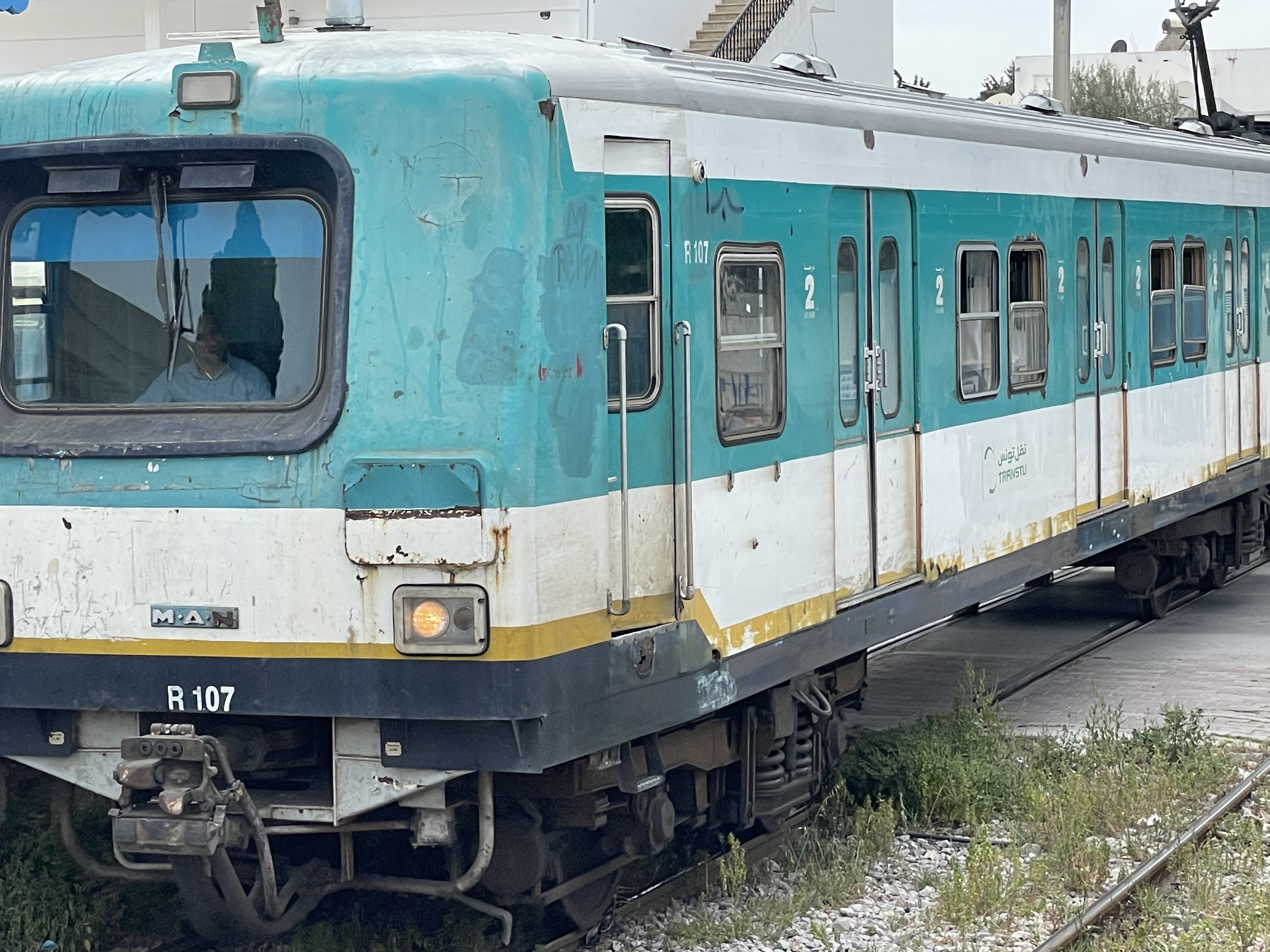
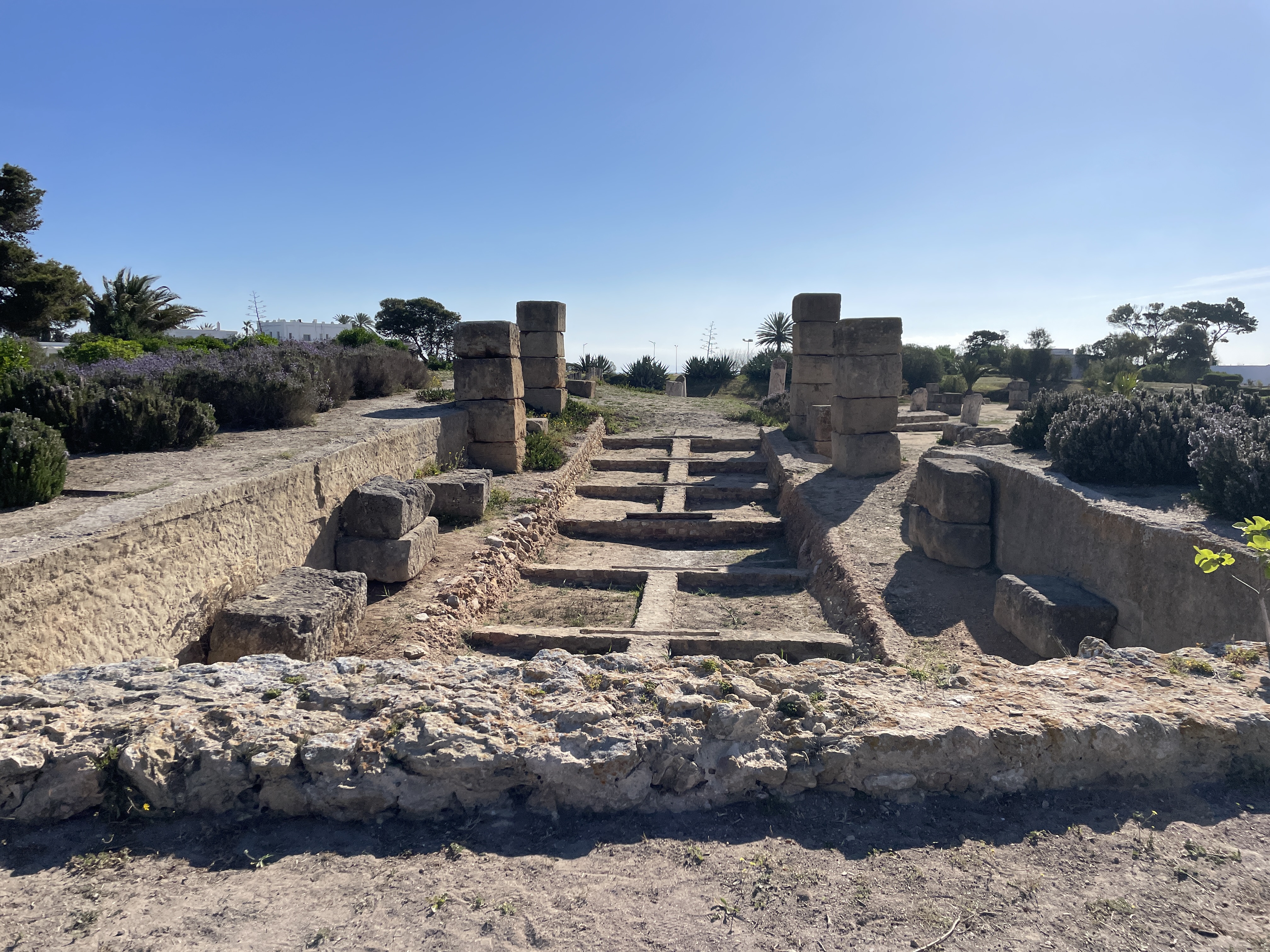
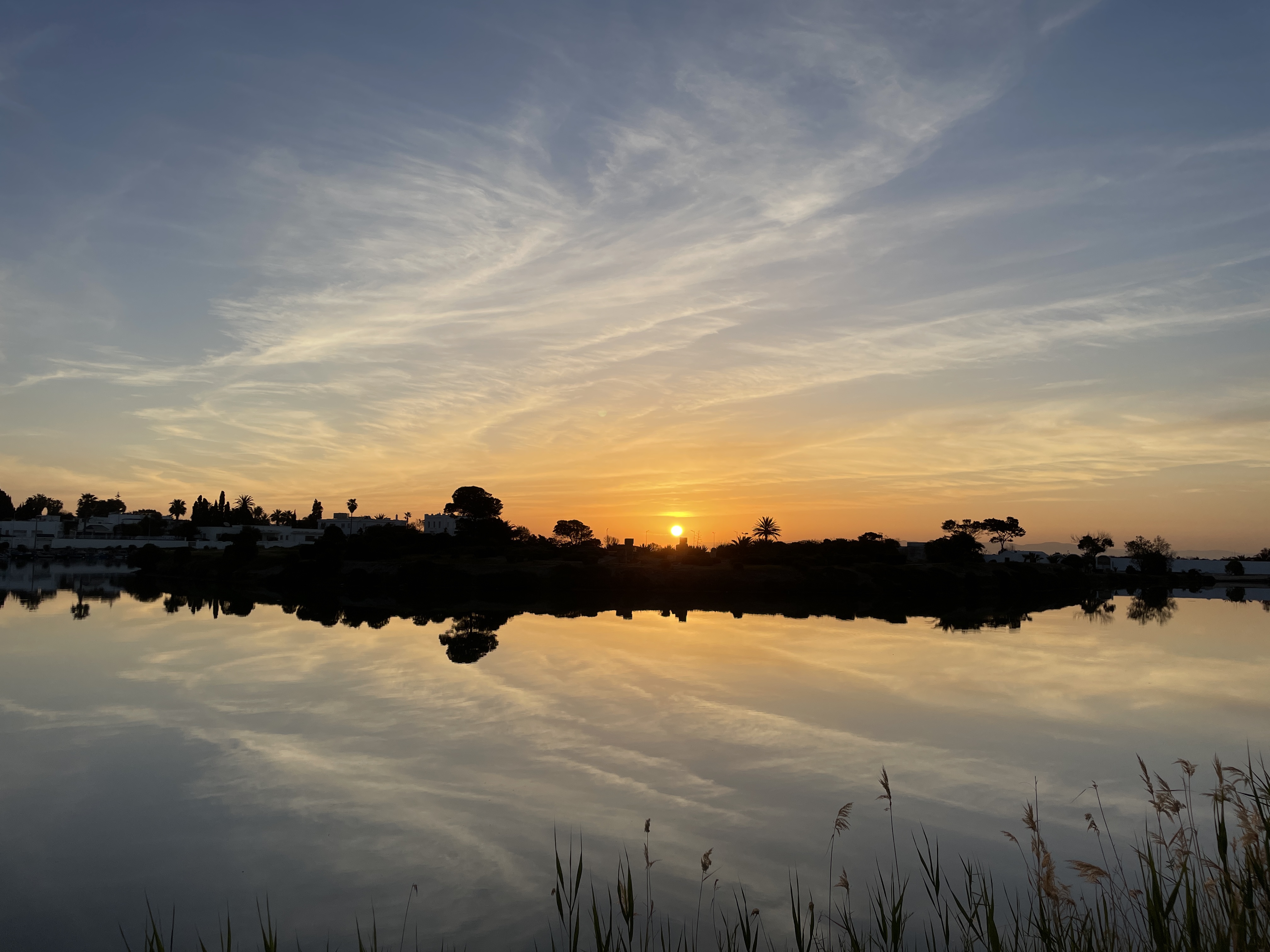
Welcome to Carthage, the archeological district of Tunisia. Although the Romans destroyed Carthage, it remains one of the most fascinating places to visit in Tunisia. After taking a short walk to Byrsa Hill through some lovely streets, we were treated to amazing views. As we walked around the ancient site, which was built during Hannibal’s time, we couldn’t help but use our imagination to envision what life was like. The Byrsa Quarter, built during the 2nd century, was burned to the ground in 146 BC. Fortunately, a layer of rubble prevented the quarter from being completely razed, allowing us a glimpse of what the quarter might have looked like. The backdrop to the site was just as impressive, with the Acropolium or St Louis Cathedral standing tall on top of the ruins of the temple of Eshmun, the Punic god of healing. The site was a recognized ecclesiastical house of worship until the early 90s and now plays host to classical concerts, etc. Despite dodging a few rain showers, it was an interesting way to spend a Sunday. On Saturday, we decided to explore Tunis by taking a tram into the city. However, the hustle and bustle of the city proved to be a bit overwhelming for us, and we soon realized that we weren’t in the mood for the crowds. We finally went to explore what fills our windows, the Îlot de l’Amirauté, the center of the port. This area housed the warships that terrorized would-be marauders and frustrated Rome during a century of Punic wars. It was interesting to see how such a small port played such a significant role in the history of Carthage.
 Dream Chasers